
Last updated November 15, 2026
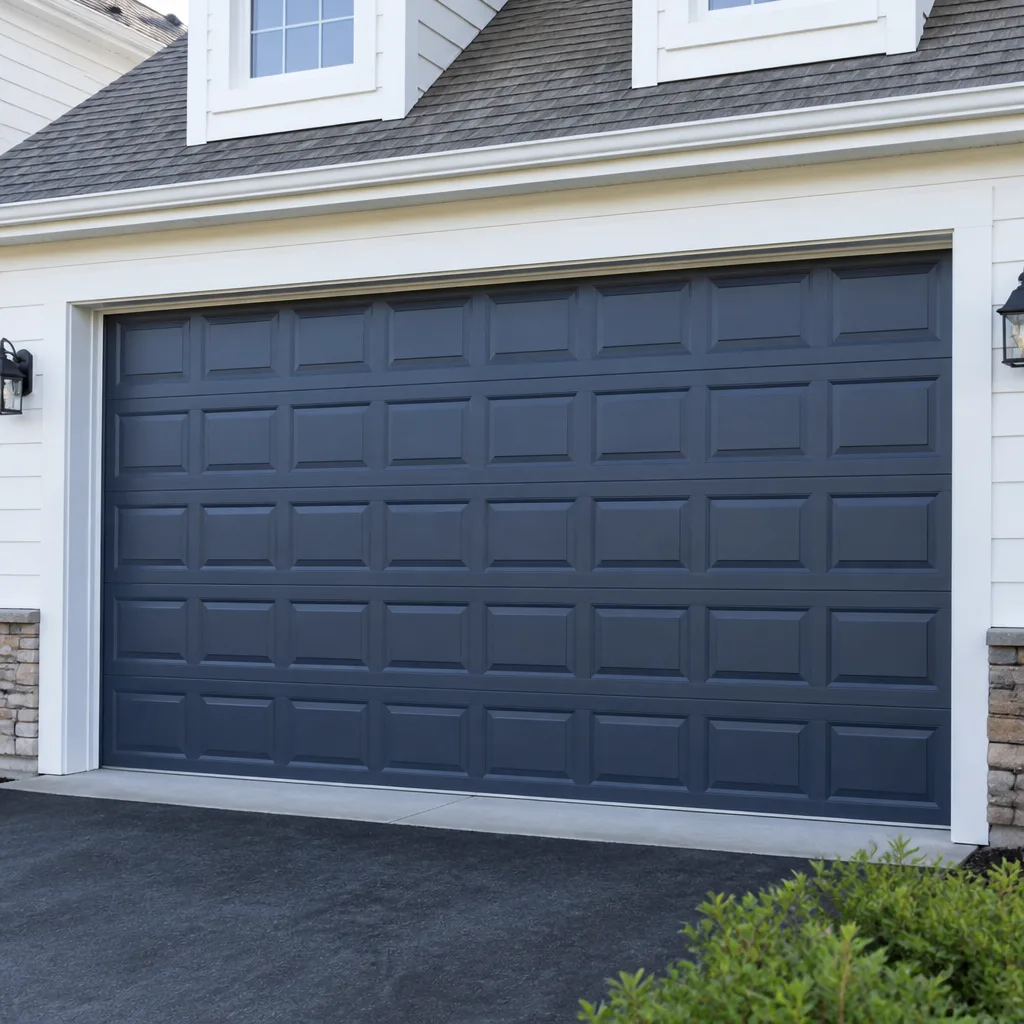 Raised-panel steel
 Carriage house
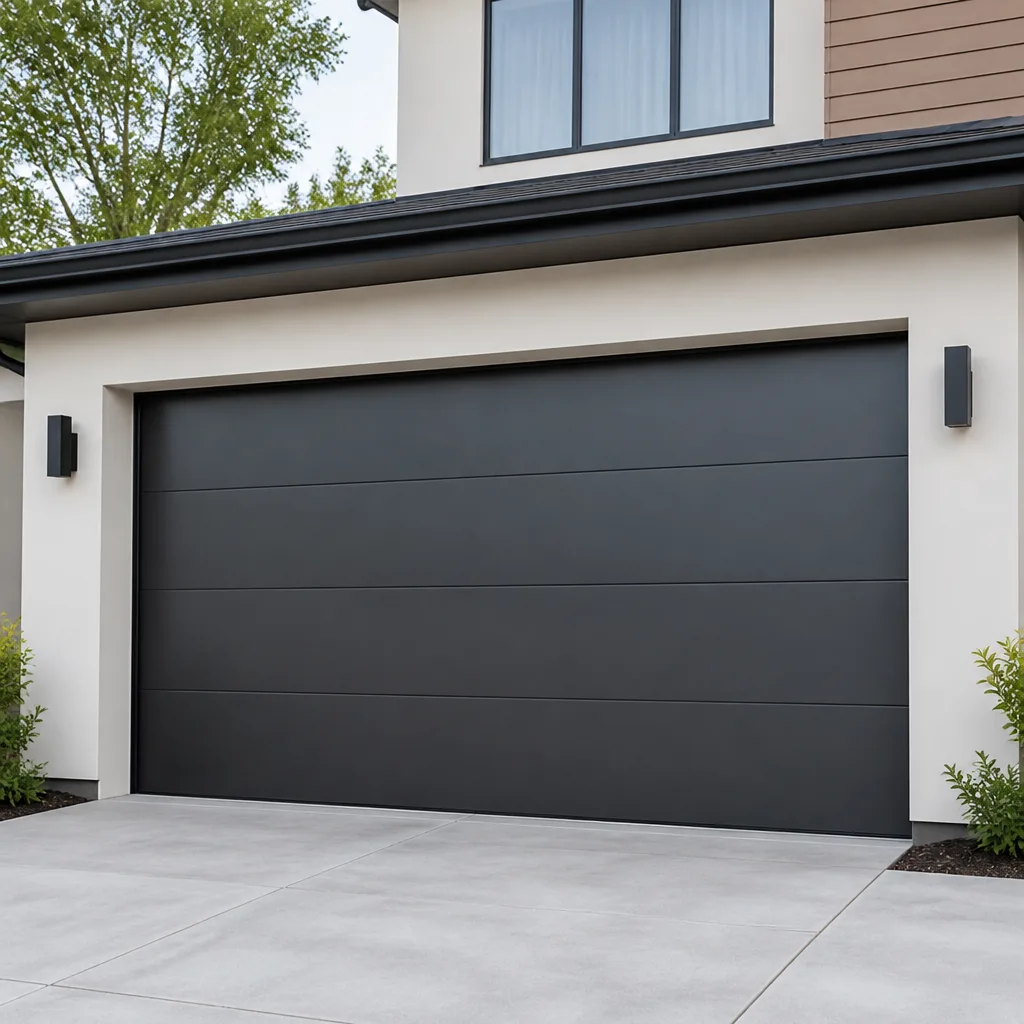 Modern flush
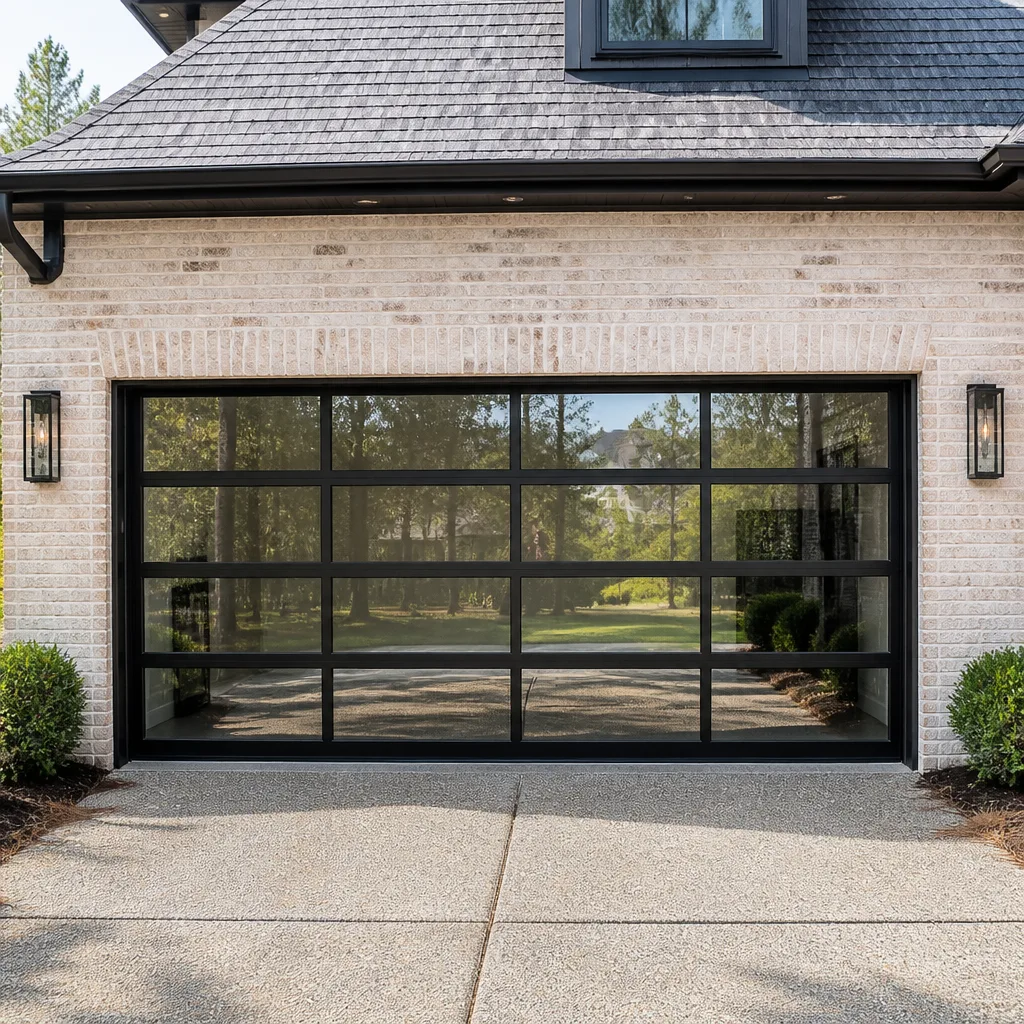 Full-view glass
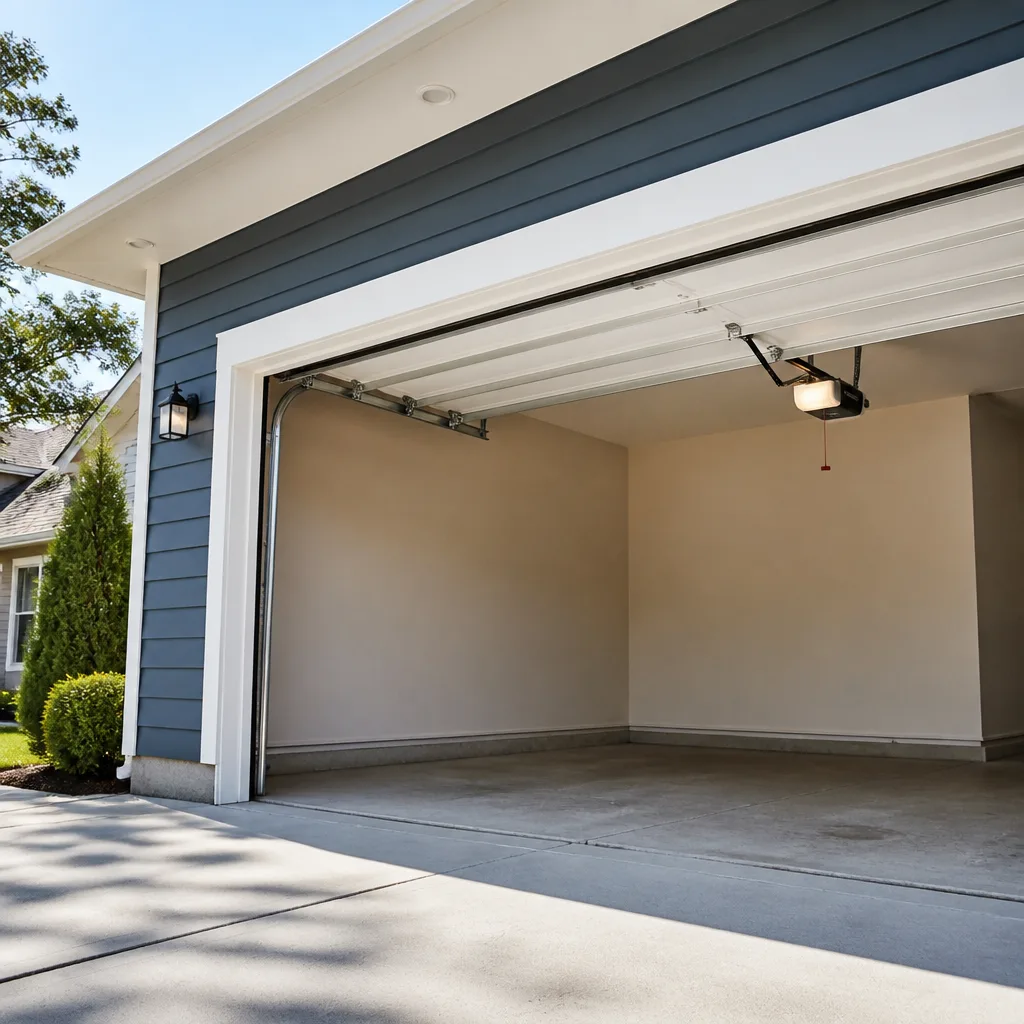 LiftMaster openers
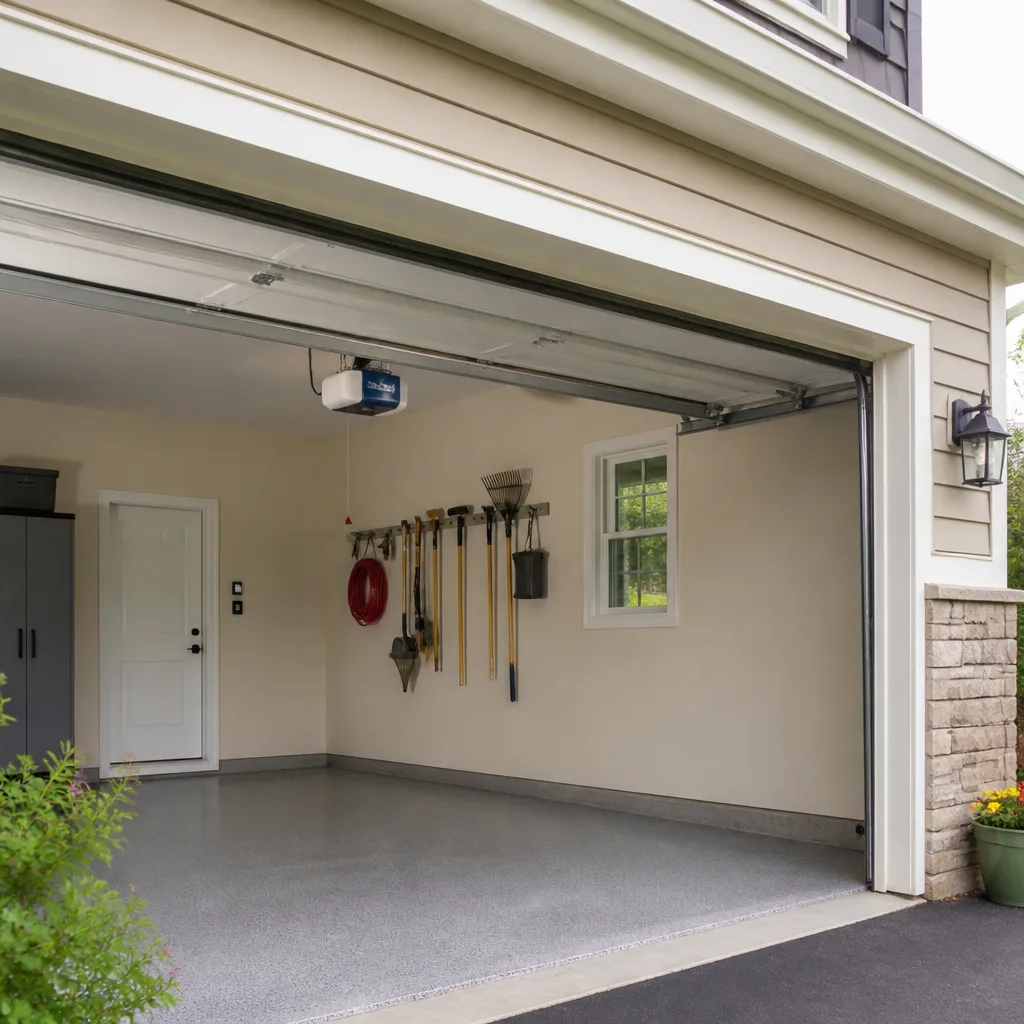 Chamberlain openers
Full 25-point door and opener safety check with every visit - springs, cables, rollers, tracks, and your LiftMaster or Chamberlain opener included
You get a price before we start. It does not change when the pro arrives.
Get your free estimateGarage Door Repair Maintenance Checklist for Tallahassee Homeowners
The advice you read most often says to lubricate your garage door twice a year. That schedule was written for a temperate climate, and it doesn’t hold up here. In Tallahassee, spring hinges and rollers can corrode noticeably in as little as 90 days during peak humidity season, long before a six-month reminder ever fires. Heat and moisture do the damage, and they work fast. This checklist is sequenced by what actually fails first in North Florida, not by what’s easiest to look at. You’ll learn the inspection order, the lubricants that survive here, how to test the safety reverse correctly, and how to keep a maintenance log a technician can actually use.
Quick Answer
A garage door maintenance checklist for Tallahassee should be driven by humidity and heat, not by a generic national schedule: inspect and lubricate hinges, rollers, and springs every 90 days during the humid season, test the auto-reverse monthly, and watch for corrosion before you watch for wear. Springs, cables, and the counterbalance system are the dangerous parts and belong to a trained technician, not a homeowner with a wrench. Everything else on this list is yours to handle.
Styles & brands we work with
- Raised-panel steel
- Carriage house
- Modern flush
- Full-view glass
- LiftMaster openers
- Chamberlain openers
Table of Contents
- Why Tallahassee Humidity Rewrites the Standard Checklist
- The Right Inspection Order: What Fails First in North Florida
- Which Lubricants Actually Hold Up in Tallahassee Heat and Humidity
- How to Test the Auto-Reverse Safety Function (The Step Most Lists Get Wrong)
- Reading Your Springs: Normal Tension vs. Creeping Toward Failure
- Balance, Rollers, Tracks, and Weather Seals
- Building a Maintenance Log Technicians Can Use
- A Seasonal Calendar for Tallahassee
Why Tallahassee Humidity Rewrites the Standard Checklist
Most published checklists are written to a national average, and that average assumes four mild seasons and low year-round moisture. Tallahassee gives you the opposite: long humid stretches, warm nights that never let metal fully dry, and a rainy season that keeps a garage interior damp well after the afternoon storm passes. That combination changes the failure order.
Metal doesn’t need to be wet to corrode. It only needs to sit above a certain humidity level long enough, and here that level lingers. Rollers seize before they wear out. Hinges stiffen and then start scoring their pivots. Springs pick up surface corrosion that shortens how long they last. In drier markets, a door’s first complaint is usually noise or a worn roller; in Tallahassee, it’s often a hinge that’s stopped pivoting cleanly and is now working against the door.
What that means for you practically:
- Treat 90 days, not six months, as your humid-season lubrication interval.
- Look for corrosion and stiffness before you look for wear.
- Give more attention to the parts that move on pivots (hinges, rollers) than to parts that simply slide.
- Expect the garage interior to stay damp longer than the outside air, so don’t judge by the forecast.
None of this means a door needs more maintenance in general. It means the same maintenance lands at different intervals, on different parts, in a different order. Once you accept that, the rest of this checklist becomes straightforward.
The Right Inspection Order: What Fails First in North Florida
Sequence matters because your time is limited and you want the inspection to catch the part that’s actually about to fail. In our experience across Tallahassee, the failure frequency runs from the moving pivot points outward. Inspect in this order.
- Hinges and rollers first. These are the highest-frequency failure points in humid climates. Look for rust bloom, stiffness, flat spots on rollers, and any hinge that squeals or grinds through its range.
- Springs and cables second, by eye only. You are looking, not touching. Note corrosion, gaps in the coil, and any cable that looks frayed or slack. Do not adjust anything.
- Track alignment and roller seating third. Rollers should sit fully in the track without binding; tracks should be straight and free of dents.
- Balance and travel fourth. Test how the door moves by hand and whether it stays put when partway open.
- Safety reverse and photo eyes fifth. Test the auto-reverse function and the obstruction sensors.
- Weather seals, bottom seal, and hardware last. These matter, but they’re rarely what leaves a door stuck.
If you only have ten minutes, do steps one and two. That’s where a Tallahassee door most often starts to go.
Which Lubricants Actually Hold Up in Tallahassee Heat and Humidity
The wrong lubricant is worse than none. A thin oil that runs off in the heat leaves metal dry and collects grit; a heavy grease cakes dust into a paste that grinds the hinge. In Tallahassee’s heat and humidity, you want a lubricant that stays put, resists washing out, and doesn’t turn sticky.
What works well here:
- A silicone-based or lithium-complex spray on hinges, rollers, and pivot points. These hold up to heat and moisture better than plain oil and stay put longer.
- A dedicated garage door lubricant formulated for the trade, applied sparingly to each hinge pivot and roller stem.
- White lithium grease for the parts that need a bit more staying power, applied thin.
What to avoid:
- WD-40 or similar penetrating oils as a long-term lubricant. They’re fine for loosening a stuck bolt, but they don’t last and they attract dust.
- Heavy chassis grease or bearing grease on hinges and rollers. It collects grit and turns into grinding paste.
- Anything labeled “all-purpose” that doesn’t say it’s for garage doors or metal pivots.
Apply a small amount, wipe off the excess, and work the door up and down a few times so the lubricant reaches the pivot. A little goes a long way; too much does more harm than too little in this climate.
How to Test the Auto-Reverse Safety Function (The Step Most Lists Get Wrong)
This is the one test that actually protects people, and most DIY checklists describe it incorrectly. The auto-reverse function has two parts: the mechanical reverse (the door reverses when it meets resistance on the way down) and the photo-eye system (the door reverses when something blocks the beam across the opening). You need to test both, separately, and you test them with the door moving, not by waving your hand at a sensor while the door sits still.
Here’s the correct sequence:
- Clear the doorway and make sure no one is standing in the path.
- Lay a solid object about the size of a 2×4 flat on the floor under the door near the center of the opening.
- Close the door from the wall control or remote. When it contacts the object, the door should reverse and return to the open position.
- Remove the object and repeat at the edge of the doorway if you want a more thorough check.
- Test the photo eyes separately: with the door open, close it and pass something through the beam (a broom handle works) as it comes down. The door should reverse immediately.
- Confirm the sensors are aligned: the indicator lights on each sensor should be steady, not flickering, and the two should be roughly at the same height.
If the door doesn’t reverse, or reverses inconsistently, that’s a fault you don’t live with. On a LiftMaster or Chamberlain opener, the force settings and travel limits are adjustable, but getting them wrong can make the door fail the test again. That’s a job for someone who knows the platform. If your door fails the test, call (855) 970-6238 and we’ll take a look. We answer 24/7.
Reading Your Springs: Normal Tension vs. Creeping Toward Failure
Springs are the dangerous part of your door. The tension stored in a torsion spring or a pair of extension springs can cause serious injury, and a spring that lets go does so suddenly. Do not adjust, wind, or unwind a spring yourself. What you can do is read the signs that a spring is creeping toward failure and call before it does.
What a healthy spring looks like:
- A coil that’s evenly wound, with no gaps opening up between windings.
- No rust bloom along the coil, or only light surface discoloration.
- No visible cracks or separation near the winding cone.
What’s creeping toward failure:
- Visible gaps opening up along the coil, which means the spring is losing tension.
- Rust pitting or a coil that’s beginning to sag.
- A door that feels heavier than it used to, doesn’t stay open when lifted partway, or slams down instead of settling.
- A torsion spring that’s visibly stretched or has separated at the end.
If a spring breaks, the door becomes dangerously heavy and shouldn’t be operated by hand or by opener until it’s repaired. We work on the full spring and counterbalance system as part of garage door repair, and we’ll tell you whether a single spring or a matched pair is the right call for your door. A matched pair is usually replaced together.
Balance, Rollers, Tracks, and Weather Seals
Once the pivots and springs are checked, the rest of the door is straightforward. Balance is the easiest test to run yourself and one of the most informative.
To test balance:
- Disconnect the opener using the release cord (make sure no one is under the door).
- Raise the door by hand about halfway and let go.
- A well-balanced door should stay put at that point, neither rising nor falling on its own.
- Lower it back slowly and reconnect the opener.
A door that falls on its own is telling you the springs are losing tension or the track is off. A door that rises is over-tensioned. Either one is a technician’s call.
Rollers deserve a look every inspection. Nylon rollers wear more quietly than steel ones, but both can flat-spot. Tracks should be straight and clear of dents; a bent track will bind a roller and make the door noisy or stick. Weather seals and the bottom seal are your climate defense: a worn bottom seal lets humid air and pests into the garage, which raises the humidity the door sits in. Replace a cracked or stiff bottom seal rather than ignoring it. On Raynor and Clopay doors, replacement seals and hardware are widely available, so it’s usually a small job. If you’d rather have the whole system looked at by someone who knows your brand, that’s part of the Harborview Garage Door Service scope, and one call covers the door and the drive system.
Building a Maintenance Log Technicians Can Use
A maintenance log is only useful if a technician can read it and know in ten seconds what’s been done and when. Keep it simple.
Record for each entry:
- Date of the inspection or service.
- What was checked (hinges, rollers, springs by eye, reverse test, balance, seals).
- What was lubricated and with what product.
- Reverse test result (passed, failed, adjusted).
- Any part that looked marginal or was flagged for follow-up.
- Who did the work (homeowner or service company).
Keep it on a clipboard on the garage wall or in a note on your phone. When a technician arrives, that log tells them whether the door has been lubricated on schedule, whether the reverse test has been failing, and whether any part was already flagged. We use it the same way: reading the log first means the technician diagnoses by what’s actually been happening, not by guesswork.
A Seasonal Calendar for Tallahassee
Rather than a fixed twice-a-year reminder, tie your checks to what the season is doing to the door.
- Spring (before the humid season): full inspection in the order above, light lubrication on hinges and rollers, reverse test, balance test.
- Peak humid season: re-lubricate hinges and rollers at the 90-day mark, watch for corrosion bloom, check seals for moisture intrusion.
- Late season (after the worst humidity): clean and re-lubricate, tighten hardware, replace any worn seals.
- Monthly, year-round: the auto-reverse and photo-eye test, which takes about a minute and is the one check that should never lapse.
If you’d rather have a professional set the schedule and check the springs, cables, and opener together, a free estimate in Tallahassee is the easiest way to start.
Common Mistakes to Avoid
- Following the six-month national schedule. In Tallahassee’s humidity, 90 days is the real humid-season interval for hinges and rollers. Waiting six months means the pivots are already stiff by the time you get to them.
- Using a penetrating oil as your regular lubricant. It runs off in the heat, collects grit, and leaves the hinge drier than before. Use a silicone or lithium-complex lubricant made for pivots.
- Testing the auto-reverse by waving at the sensor. That’s a photo-eye test, and it’s only half the function. Test the mechanical reverse with a solid object under the door and the photo eyes separately, as described above.
- Adjusting a spring yourself. The stored energy in a torsion spring or extension spring can cause serious injury. Reading the spring is fine; adjusting it is not.
- Ignoring a worn bottom seal. It lets humid air and pests into the garage, which quietly raises the humidity the whole door sits in.
- Skipping the log. Without a record, the next technician has to start from scratch, which leads to parts replaced because they look worn rather than because they failed.
- Over-lubricating. Too much lubricant attracts grit, which grinds the hinge and roller stem. A little, worked in, beats a lot.
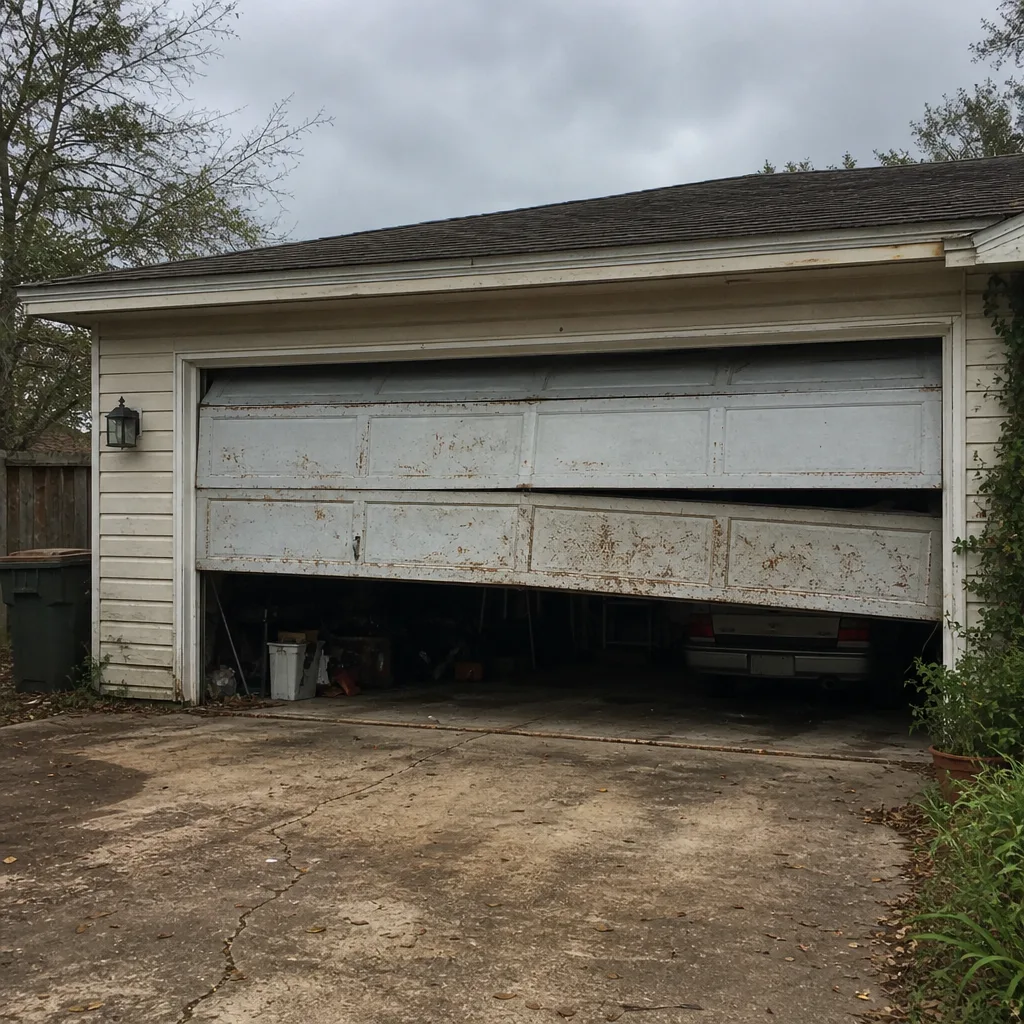
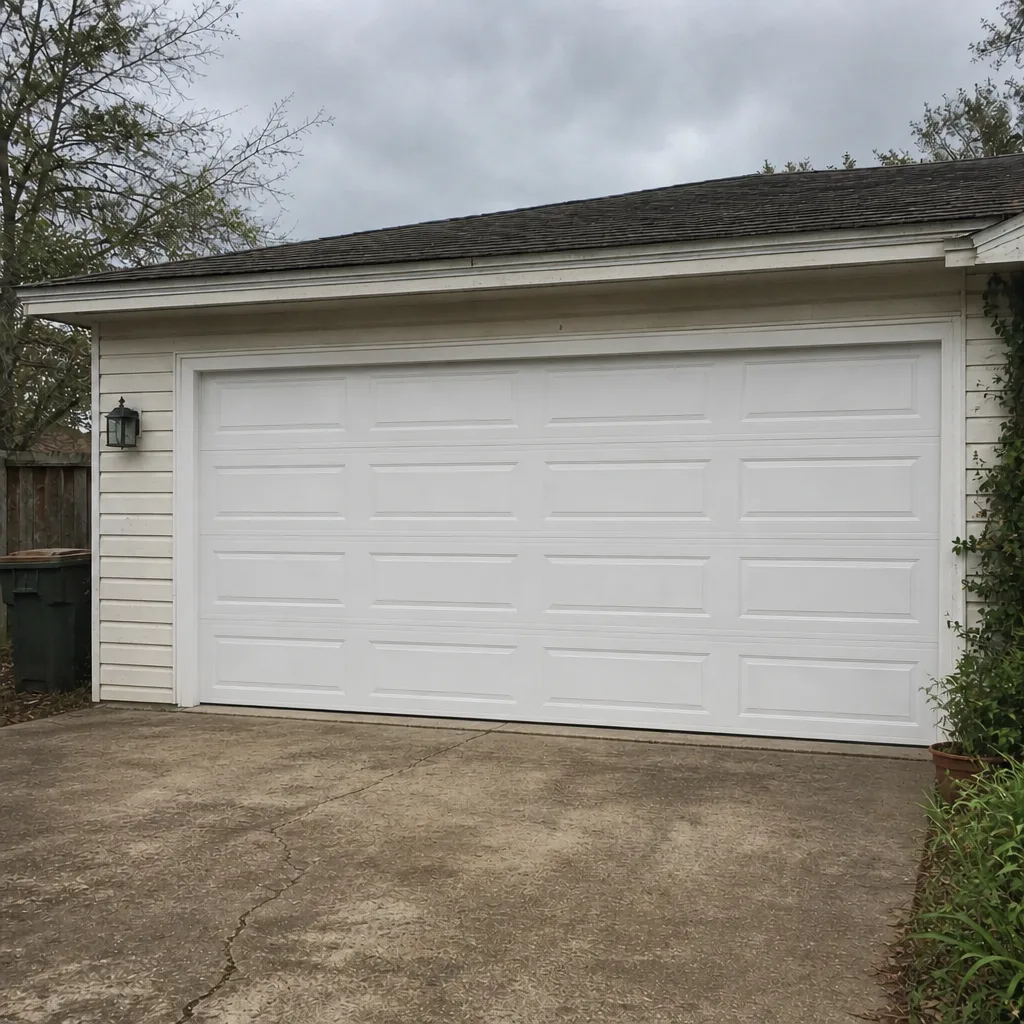
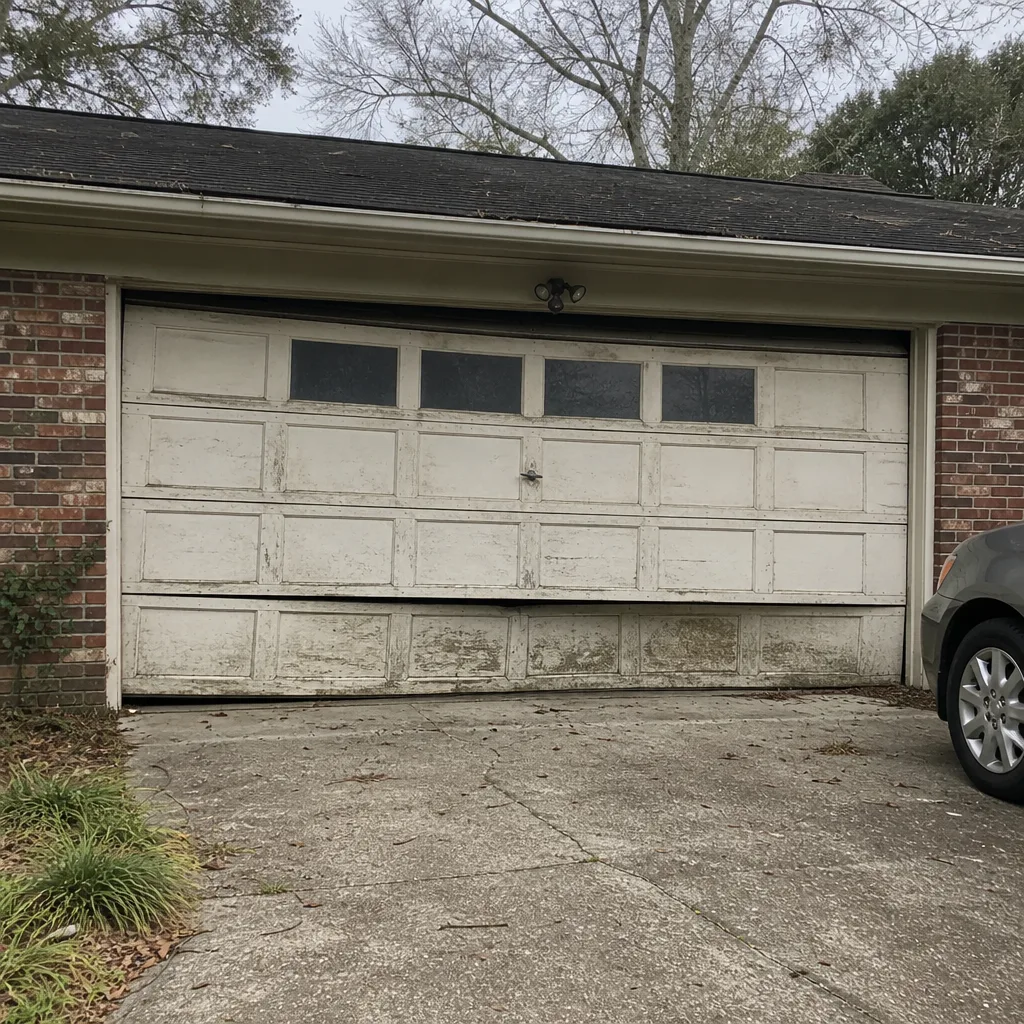
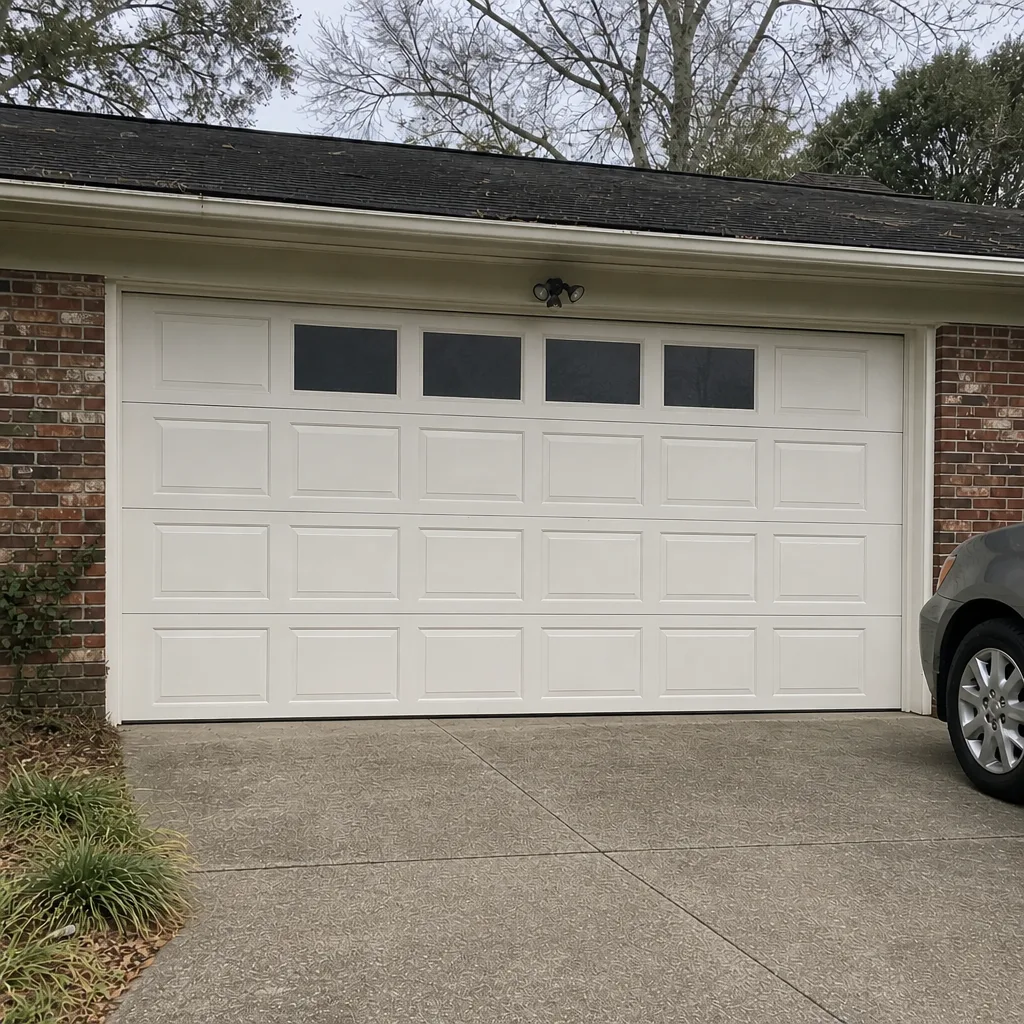
See the difference
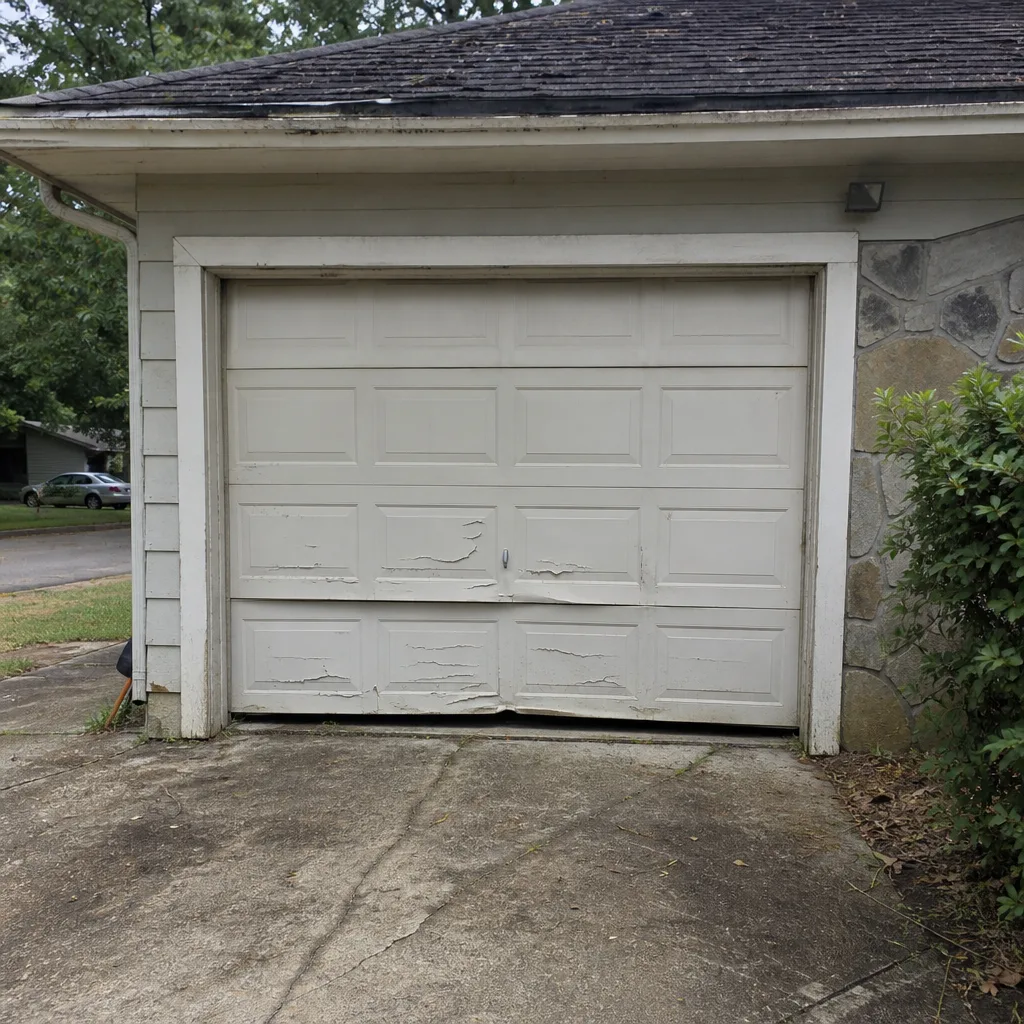 Before
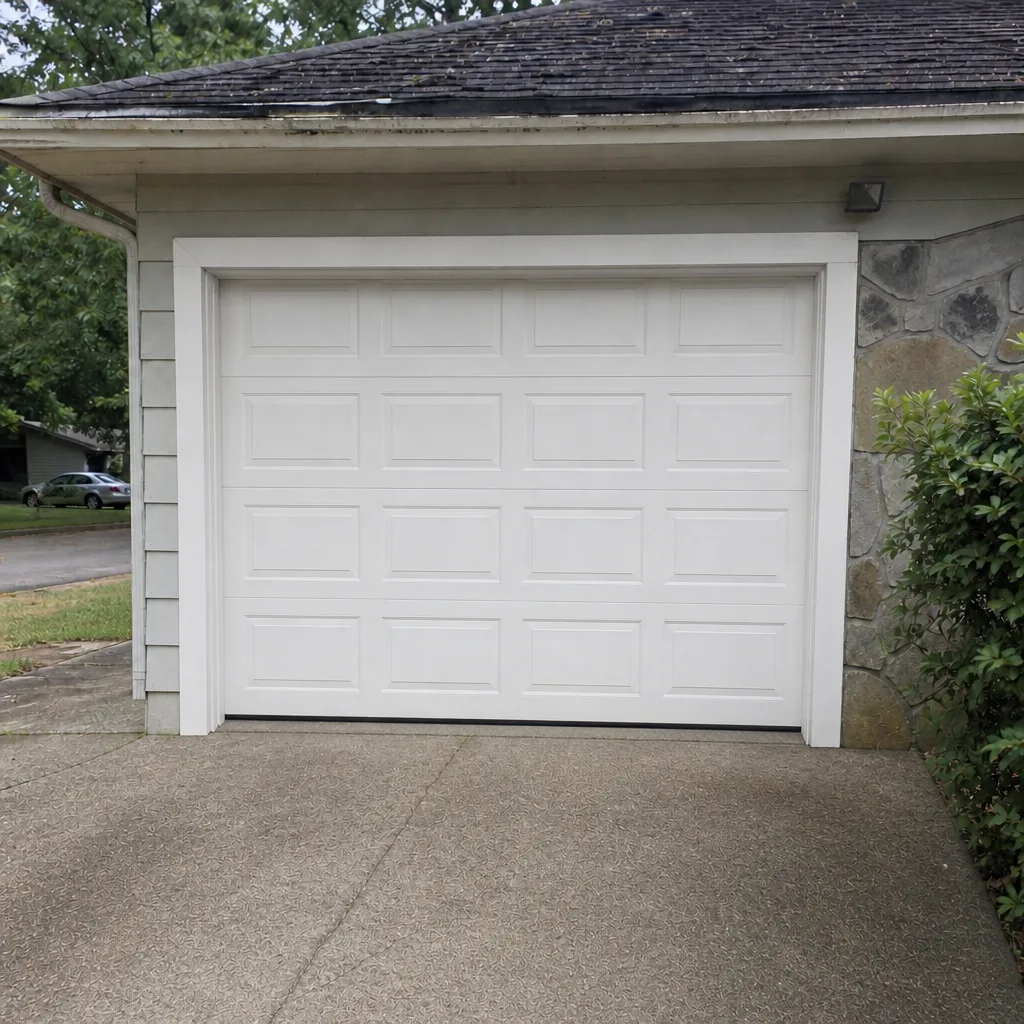 After
 Before
 After
 Before
 After
When to Call a Professional
Call a professional when the problem involves springs, cables, the counterbalance system, the opener’s force and travel settings, or anything that leaves the door unsafe to operate. Also call if the auto-reverse test fails and basic adjustments don’t fix it, if the door comes down harder than it used to, if the track is bent, or if the door is heavy enough that you can’t lift it by hand with the opener disconnected. Those are the signs that the failure is in the parts that carry the door’s weight, and that’s not a job to take on yourself. Our technicians have up to 9 years of experience, and we work on Craftsman and LiftMaster systems along with the rest. Harborview Garage Door Service offers free estimates in Tallahassee. Call (855) 970-6238 and we’ll take a look. We answer 24/7.
Frequently Asked Questions
Every 90 days during the humid season, and at least once more in the cooler months. Tallahassee’s heat and humidity corrode spring hinges and rollers faster than the national two-times-a-year schedule assumes, so a 90-day humid-season interval is the practical rule. Call (855) 970-6238 for an exact quote on a professional tune-up, and estimates are free.
No. Springs and cables hold stored tension that can cause serious injury if released unexpectedly, so leave adjustment, winding, and replacement to a trained technician. You can inspect them by eye for corrosion, gaps, and sagging, and that’s what this checklist covers. Call (855) 970-6238 for an exact quote, and estimates are free.
Lay a solid object about the size of a 2×4 flat under the door and close it; the door should reverse on contact. Then test the photo eyes separately by breaking the beam while the door closes. Call (855) 970-6238 if the door doesn’t reverse consistently, and estimates are free.
Not the checklist itself, but it does affect the opener’s force and travel settings, which are adjustable and easy to get wrong. We service the LiftMaster and Chamberlain lineup, including myQ openers, so if the reverse test fails we can set it correctly. Call (855) 970-6238 for an exact quote, and estimates are free.
A door that’s gotten heavier is usually losing spring tension or has a failing hinge or roller, and it’s one of the clearest signs to call before something lets go. Stop operating it by hand until it’s checked. Call (855) 970-6238 for an exact quote on garage door opener repair and the door check, and estimates are free.
Yes, for the inspection, lubrication, balance test, and reverse test, which are homeowner-level tasks. Springs, cables, the counterbalance system, and opener force settings are not. Call (855) 970-6238 for an exact quote on the parts you shouldn’t touch, and estimates are free.
The Bottom Line
A garage door maintenance checklist for Tallahassee has to be built for humidity and heat, not for a national average. Inspect hinges and rollers first, at a 90-day humid-season interval, with a lubricant that stays put. Read the springs by eye, never adjust them, and test the auto-reverse and photo eyes correctly and separately. Keep a simple log so the next person who works on the door knows what’s been done. Do those things and you’ll catch most failures before they strand you. When the problems are in the parts that carry the door’s weight, that’s a call for a trained technician.
Harborview Garage Door Service works on the door and the drive system together, across the brands you’re most likely to own: Clopay, Amarr, Wayne Dalton, and Raynor doors, and LiftMaster, Chamberlain, Genie, and Craftsman openers. We’ll tell you whether a repair makes sense or a replacement does. Call (855) 970-6238 and we’ll take a look. We answer 24/7. Fast dispatch from 7am to 7pm, Sunday through Friday, and the price is quoted and agreed before any work starts.
Written by the team at Harborview Garage Door Service.