
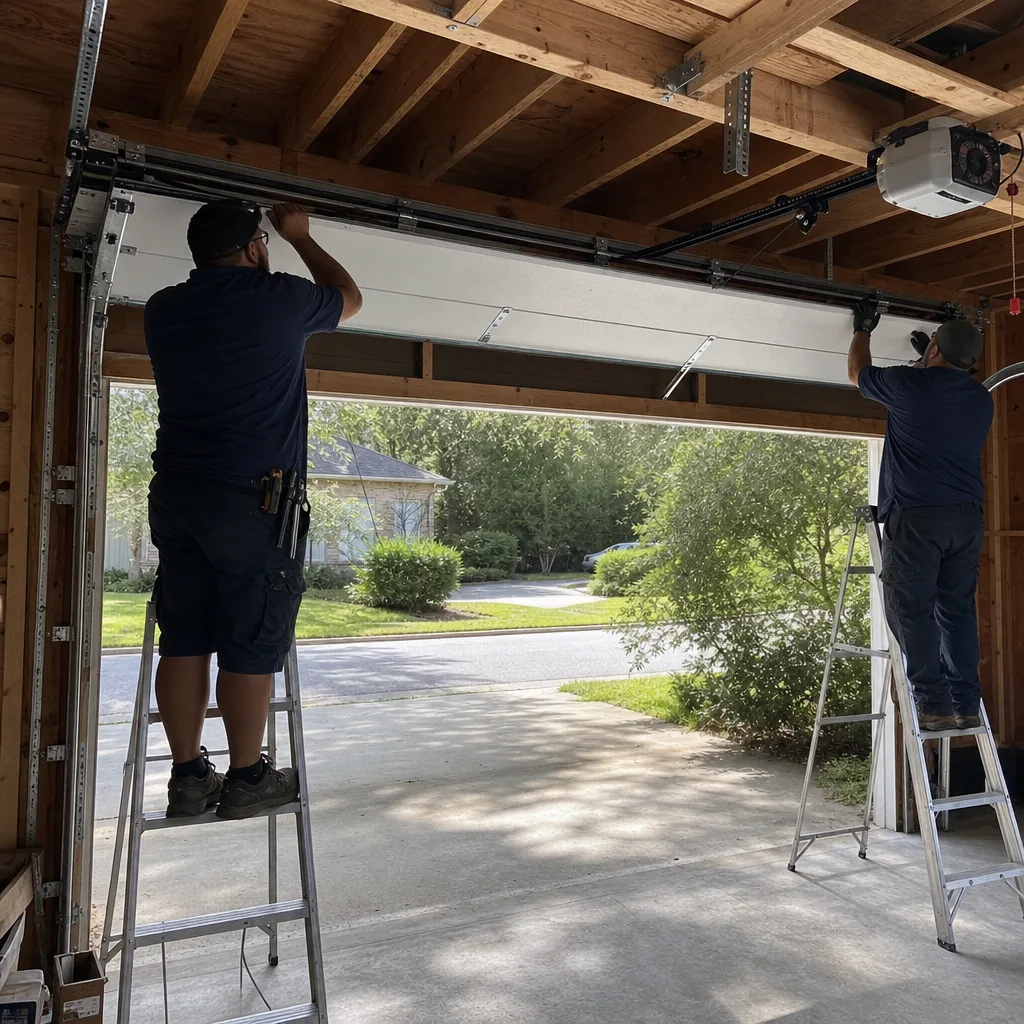
Last updated November 15, 2026
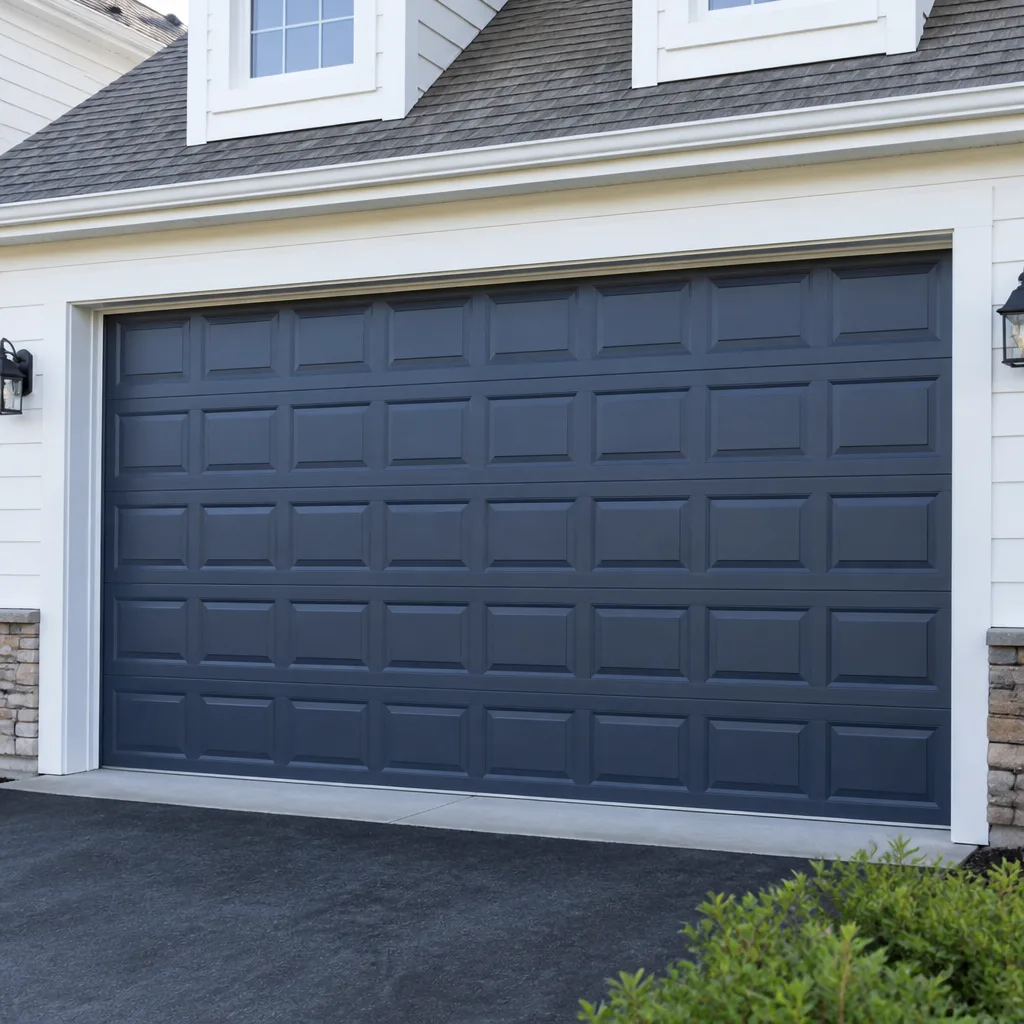 Raised-panel steel
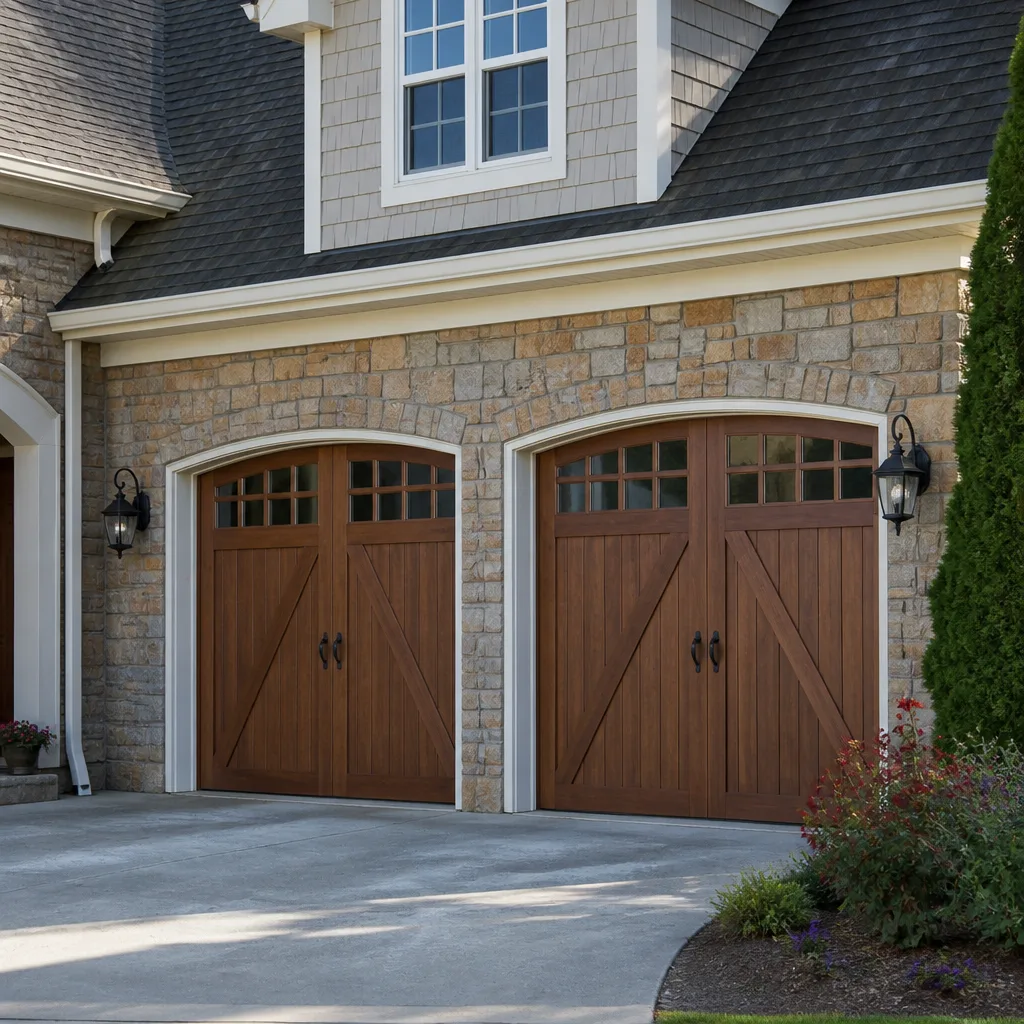 Carriage house
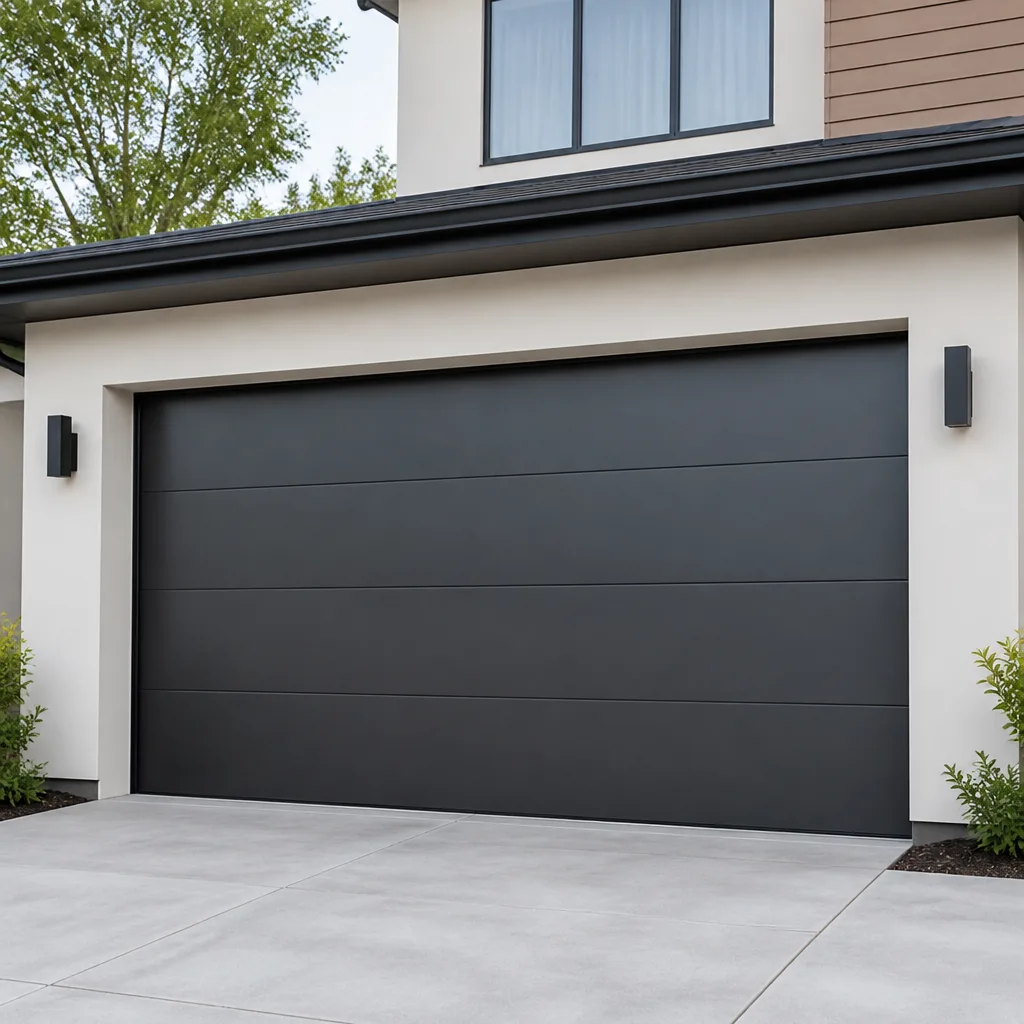 Modern flush
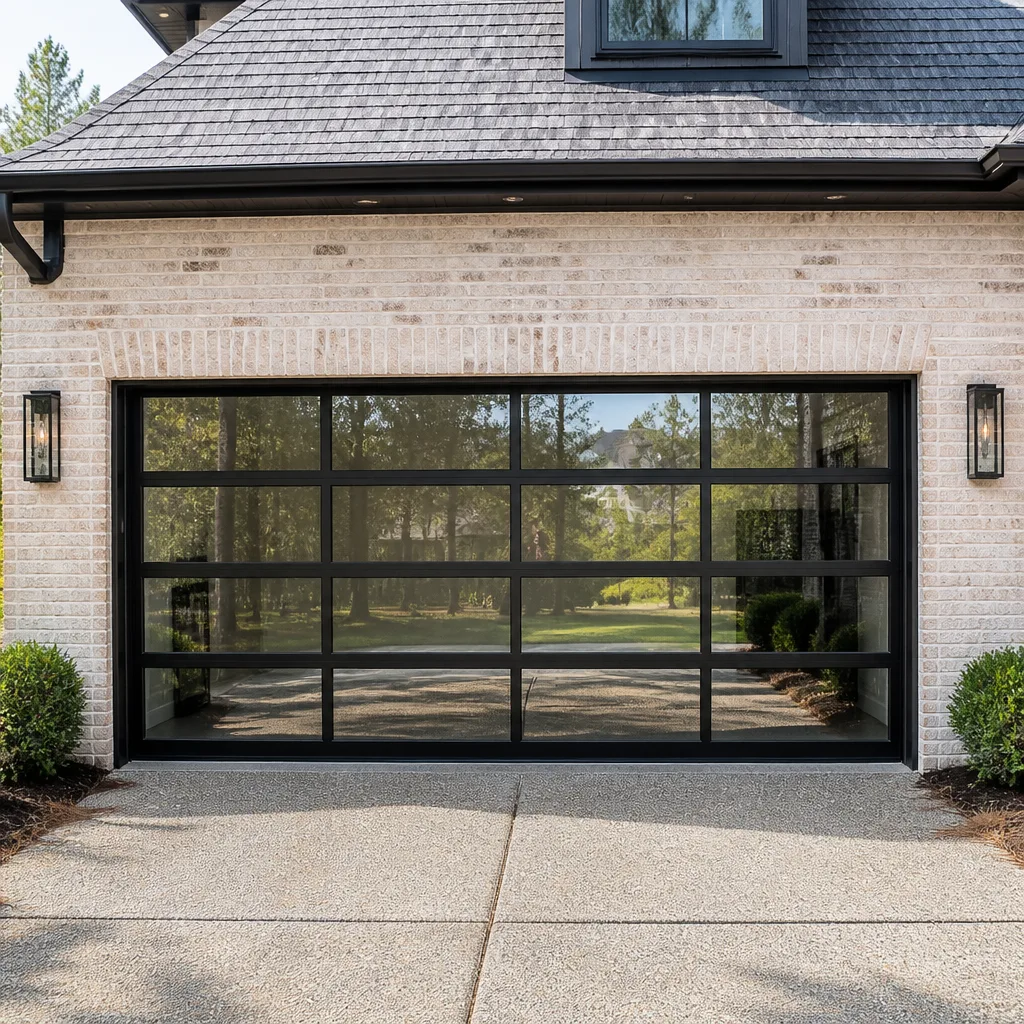 Full-view glass
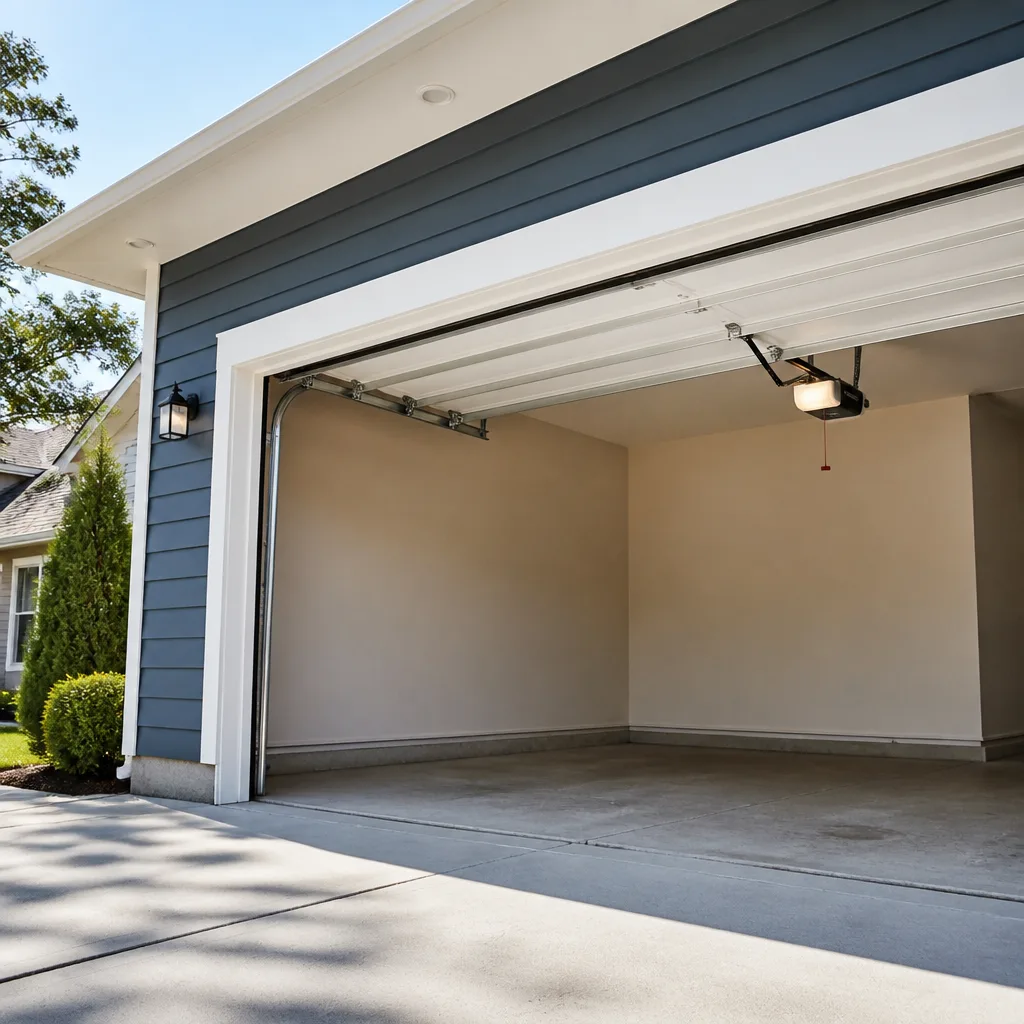 LiftMaster openers
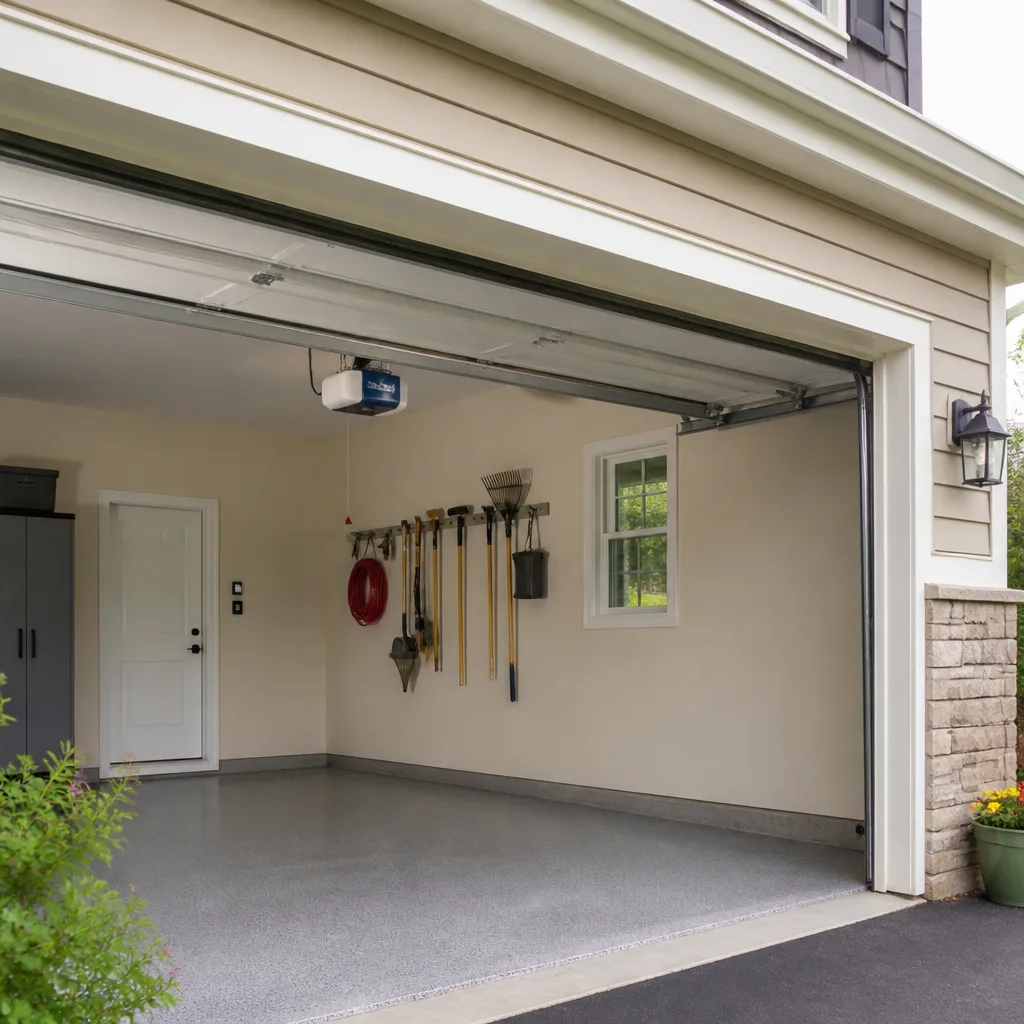 Chamberlain openers
Full 25-point door and opener safety check with every visit - springs, cables, rollers, tracks, and your LiftMaster or Chamberlain opener included
You get a price before we start. It does not change when the pro arrives.
Get your free estimateGarage Door Repair Maintenance Schedule: What to Do and When
The most common maintenance advice you’ll find online, “lubricate your garage door springs twice a year,” was written for temperate climates. Here in Tallahassee, where humidity routinely pushes past 80% from May through September, a twice-a-year interval leaves your springs, rollers, and hinges running dry for weeks longer than they should. Metal that sweats through a subtropical summer needs attention on a different clock. What follows is a maintenance schedule built around actual wear cycles and seasonal stress, not arbitrary calendar dates. You’ll learn what to check each month in Tallahassee, which lubricants survive the humidity, how to estimate where your torsion springs sit in their service life, and which skipped tasks can quietly void a manufacturer’s warranty.
Styles & brands we work with
- Raised-panel steel
- Carriage house
- Modern flush
- Full-view glass
- LiftMaster openers
- Chamberlain openers
Quick Answer
In Tallahassee, a garage door should be lubricated every four to six weeks during the humid months (May through September) and every two to three months the rest of the year, with a full balance and hardware inspection each spring before hurricane season and a post-summer reset in October. Springs are the exception: they’re inspected, not lubricated on a calendar, and their replacement timing is calculated from cycle life, not dates. Everything else – opener force settings, belt tension, photo-eye alignment, panel and weatherstripping condition – falls into a simple seasonal rhythm you can follow in about 20 minutes a month.
Table of Contents
- Why a Tallahassee Maintenance Schedule Looks Different
- The Month-by-Month Task Calendar
- Choosing Lubricants That Survive the Humidity
- Torsion Spring Cycle Life: The Math That Prevents Surprises
- Opener Maintenance by Brand: Not a One-Size Checklist
- Which Skipped Tasks Can Void Your Manufacturer Warranty
- When to Call a Professional
- Frequently Asked Questions
- The Bottom Line
Why a Tallahassee Maintenance Schedule Looks Different
Garage door maintenance schedules circulating online are almost always written for a four-season climate. They assume a long cold winter, a dry summer, and humidity that stays in a sensible middle band. Tallahassee doesn’t work that way. Our humid season runs long, and the daily swing between a hot, damp afternoon and a cooler, drier stretch overnight keeps condensation moving through the metal of your door every day for months.
That matters mechanically. Steel is a poor insulator, and the formed channels of a typical door panel trap humid air against the galvanized inner skin. Repeated condensation leaves a fine film on hinges, rollers, and the bearing plates that hold the torsion shaft. The film is not rust yet, but it’s the condition that lets grit stick. Once grit is stuck to a roller, that roller is grinding against the track on every open and close. A door that cycles four times a day – two drivers, four trips between home and work – runs through more than 1,400 cycles a year just in normal daily use.
Consider what else is happening to the garage in Tallahassee. The garage is typically the hottest room in the house from May to September, and the door is the largest surface exposed to the outside air. The metal goes through thermal expansion each afternoon and contraction each night. Fasteners loosen over a season. Rollers flatten on one side. Weatherstripping takes a permanent set. None of these failures are catastrophic on their own. Together, they’re why a door that felt smooth in April can feel heavy and noisy by August.
The schedule below accounts for all of that. It also anticipates hurricane season, which draws closer attention to the door’s balance and anchorage than most generic checklists ever mention. A properly balanced, properly fastened door is a safer door in every wind event. That’s the reasoning behind the timing in the calendar that follows.
The Month-by-Month Task Calendar
This calendar organizes the year into four phases tied to Tallahassee seasons. Each phase has a clear purpose, and each task on the list can be done with a visual check and a few hand tools – with the important exception of spring inspection, which is a professional task, not a homeowner one.
Phase 1 – Early Spring (March and April): Pre-Season Inspection
Before the humid season begins, you want the door balanced, quiet, and lined up. Run through this list once in March or April:
- Disconnect the opener and lift the door by hand halfway. It should stay put without drifting down or taking off upward. If it doesn’t, the balance is off and needs professional adjustment.
- Listen at each hinge and roller as you cycle the door manually. Squeaks, grinding, and popping point to a specific location.
- Check that all hinge bolts, track brackets, and the center bearing plate are snug. Snug, not over-tightened – steel fasteners in soft material strip easily.
- Look for daylight around the edges, top, and threshold. Daylight means a gap that will admit water and insects.
- Clean the photo-eye lenses below the opener on both sides of the door and confirm the beam alignment.
- Test the auto-reverse function by placing a solid cardboard box in the door’s path and closing the door. If the door doesn’t reverse immediately, the force setting needs adjustment.
Phase 2 – Humid Season (May through September): The Frequent Cadence
Once the humidity arrives, your lubrication interval drops to every four to six weeks. This is when the online “twice a year” advice fails. On a tallahassee garage door, the humid season is roughly five months long, so a twice-yearly schedule puts four full months between lubrications in exactly the season that punishes dry metal hardest.
In humid months, check and reapply lubrication to the torsion spring coils, torsion shaft bearings, hinges, and roller bearings. Check weatherstripping along the bottom, sides, and top for pull-away and cracking. Check the tracks for buildup and wipe them down with a dry cloth. Make sure no debris – leaves, grit, insect nests – is collecting anywhere it can block the rollers.
This is also when you keep an eye on the door panel texture, especially on wood-look steel doors from Clopay or Amarr. Pinholes in the finish let moisture reach the steel and start the process that ends in a rust stain you can’t wipe away. A small touch-up early saves a panel replacement later.
Phase 3 – Post-Summer Reset (October): The Most Important Month
October is the reset month. Five months of daily thermal cycling and humidity have shifted things. This is when you do the fullest home-level inspection of the year:
- Recheck door balance after disconnecting the opener.
- Re-torque hinge and bracket fasteners.
- Inspect rollers for flat spots and cracked wheels.
- Check the opener’s force sensitivity and re-calibrate if the door has changed weight or gotten rougher.
- Inspect the bottom seal and side seal for a permanent set and replace if they’re no longer sealing.
- Inspect the spring coils closely for any visible gap or dark spot along the coil. If you see one, stop and call a professional. Never try to adjust or remove a torsion spring yourself; the spring is under life-threatening tension and a trained technician should handle it.
Phase 4 – Winter Contraction Checks (November through February)
Winter in Tallahassee is mild, but it’s also drier and cooler, and that’s enough to make the steel contract. That contraction loosens fittings and can shift the door slightly in the track. During these months, focus on:
- Checking that no fastener has worked loose over the season.
- Verifying that the door still balances and still reverses properly on a test close.
- Checking the opener’s light, remote, and safety features still function.
- Wiping down the tracks and inspecting rollers.
With the humid months behind you, a maintenance interval of every two to three months is enough during this stretch. If the door has been quiet and smooth all year, this quick seasonal check is often all it needs. If a specific component is beginning to feel worn, this is the time to schedule garage door repair before any real problem develops.
Choosing Lubricants That Survive the Humidity
The right lubricant in Tallahassee is the one that stays put under heat and humidity without collecting grit. That means the product choice actually matters here more than it does in a dry climate. A lubricant that thins out in the heat and runs off will need reapplication within a couple of weeks. A lubricant that stays sticky will hold airborne grit and grind your rollers to death.
Here’s how the main categories behave in a humid climate:
- Silicone spray – Clean, dry film, resists humidity well. Best on weatherstripping, the bottom seal, and photo-eye lenses. Less durable on moving load-bearing parts.
- White lithium grease – Long-lasting and water-resistant, good for hinges, roller stems, and the torsion shaft bearings. Can attract grit if over-applied, so a thin film is the right amount.
- PTFE (Teflon) dry lubricant – Leaves a low-friction dry film that doesn’t attract grit. Excellent choice for tracks and rollers in humid conditions.
- General-purpose oil and WD-40-style penetrating sprays – Convenient but too thin for this climate. They flash off quickly and don’t hold up under humid-season heat.
- Heavy grease – Too thick for rollers, and it collects grit. Avoid it for anything that has to move freely.
Whichever product you choose, apply sparingly. A thin, even film on hinges, roller stems, torsion spring coils, and the torsion shaft is enough. Wipe off any excess before closing the door, since excess product is what catches the grit. Never lubricate the inside of the tracks themselves – a dry, clean track is the right track. And never put lubricant on the photo-eye lenses; clean them with a dry cloth only.
If you’ve been following the twice-a-year internet schedule, a simple test tells you if your door is overdue: run a finger along a spring coil. If it comes away dry or gritty, the lubrication has faded and needs attention now, not in six months.
Torsion Spring Cycle Life: The Math That Prevents Surprises
Torsion springs fail on cycle count, not on a calendar. A cycle is one open and one close. A spring rated for 10,000 cycles will last years on a door that cycles twice a day and a much shorter time on a door that cycles 15 times a day. Rather than waiting for a loud bang, calculate roughly where your springs sit in their life.
Here’s how the math works in practice:
- Count the number of times your door opens and closes in a typical day. A family that leaves and returns twice each, plus the occasional errand, tends to cycle the door six to eight times.
- Multiply by 365 to get your annual cycle count. At eight cycles a day, that’s about 2,900 cycles a year.
- Estimate the spring’s cycle rating. Standard residential springs are commonly rated for a 10,000-cycle lifespan, though heavier and higher-rated springs exist. Check the sticker or ask a professional to read the color code on the spring.
- Divide the spring’s rated cycles by your annual usage to get an expected lifespan. A 10,000-cycle spring at eight cycles a day lasts roughly three and a half years of everyday use.
- Recalculate whenever you change how much you use the door. A new driver at home can halve the remaining life in a hurry.
The purpose of this math is not to make you anxious. It’s to prevent the surprise of a spring failing at an inconvenient time. A door whose springs are nearing the end of their calculated life should get a professional spring inspection. A trained technician can measure coil diameter, wire gauge, and the color code to confirm the rating and check for fatigue.
There’s also a matched-pair point worth knowing. A door with two springs is usually set up so they work together. When one fails, replacing only that one leaves you working with an older spring next to a new one, and they’re mismatched in age and fatigue. A matched pair is generally the right call when one spring fails and the other is close in age. When we quote a spring price, we quote for a single spring, so you can see clearly what a pair costs.
Opener Maintenance by Brand: Not a One-Size Checklist
The door is a mechanical system. The opener is a control system, and it has its own maintenance needs that vary by brand and drive type. A generic checklist that says “check your opener” is missing the specific steps that actually keep each brand running. Since the technicians at Harborview Garage Door Service work across eight major residential brands, we’ve learned where each one needs the most attention.
LiftMaster and Chamberlain (Chain and Belt)
The LiftMaster and Chamberlain families, including myQ-enabled smart openers, need their force sensitivity checked periodically, especially after any adjustment to door balance. Run the auto-reverse test – a solid box in the door’s path – and if the door doesn’t reverse cleanly, the force setting needs adjustment. Follow the opener’s manual for the specific calibration sequence; newer myQ models often handle part of this through the app. If your unit has a belt, check the belt tension and look for fraying. Slightly looser is safer than over-tight. For connectivity problems on smart openers, the fix is usually Wi-Fi re-registration rather than mechanical. For that kind of issue, garage door opener repair covers both the mechanical and the digital side.
Genie (Chain, Belt, and Screw Drive)
Genie is where drive-type-specific maintenance really matters. Chain-drive Genie units benefit from tightening the chain to its specified tension and re-checking frequently; a slack chain is louder and wears the sprocket. Belt units need the belt inspected for cracks at the joints. Screw-drive Genie units benefit from clean, lightly lubricated screw threads – and in humid conditions those threads reward a careful look every season. Force sensitivity checks apply to all three.
Craftsman (Belt and Chain)
Craftsman openers are common on older Tallahassee doors, and their maintenance leans heavily on the drive belt or chain tension and the logic board’s safety features. The belt-tension check on a Craftsman belt drive should happen at the seasonal reset. The learning of force limits after a belt or chain adjustment needs the manual’s sequence rather than guesswork. The safety-reverse test is the most important thing to verify on any older Craftsman unit, and if it fails, call for garage door opener repair before you use the door again.
The point isn’t that these brands are fussy. It’s that diagnosing by brand knowledge – rather than by guessing and throwing parts at the opener – is what stops repeat service calls. When a system has a specific known weakness, we look there first.
Which Skipped Tasks Can Void Your Manufacturer Warranty
Homeowners are usually surprised to learn that a garage door brand’s warranty can be affected by maintenance neglect. The warranty wording varies by manufacturer and by product line, but the pattern is common: a manufacturer covers defects in materials and workmanship, not damage caused by lack of maintenance or by an improperly installed opener. That’s the line where a skipped task can cost you a warranty claim.
The maintenance tasks that show up most often in warranty language are:
- Lubrication – Manufacturers of steel doors and their hardware expect moving parts to be lubricated. A corroded hinge or a seized roller that fails can be treated as a maintenance failure rather than a defect.
- Balance and hinge checks – A door that’s been operated out of balance puts stress on the panels, hinges, and springs. Warranty departments look at balance and fastener condition.
- Opener compatibility and installation – A door warranty can be affected if the door is matched to an opener with the wrong capacity or installed incorrectly, and an opener warranty is often void if the opener is operated with a door that’s out of balance.
- Panel finish upkeep – On doors from Clopay, Amarr, Wayne Dalton, or similar lines, finish warranties commonly depend on proper cleaning and prompt touch-up of scratches. Letting a scratch rust through is a maintenance failure.
We can’t speak to any specific warranty document unless we’ve seen it, and the exact terms belong to the manufacturer. The practical takeaway is straightforward: keep a simple record of what you did and when. Write down the date of each lubrication, each seasonal inspection, and each professional service. If a warranty question ever comes up, that record is what you’ll want.
Common Mistakes to Avoid
- Following a temperate-climate lubrication schedule in Tallahassee. Twice a year is too late during the humid months. The four-to-six-week summer interval is what a tallahassee door actually needs.
- Using thin oil or heavy grease on moving parts. Thin oil flashes off in the heat; heavy grease collects grit. Stick with silicone, white lithium, or PTFE dry lubricant, applied sparingly.
- Lubricating the inside of the tracks. Tracks should be clean and dry. Lubricant in the track grabs grit and turns the roller into a grinder.
- Adjusting the torsion spring yourself. This is not a homeowner task. Torsion springs are under extreme tension and require specific tools and training. A professional should handle anything involving the spring, the cable, or the torsion shaft.
- Ignoring a change in sound. A door that suddenly gets louder or starts squeaking is telling you something changed. Investigate early; the fix is usually far less costly than letting it run to failure.
- Forgetting the opener’s safety-reverse test. A safety feature that isn’t tested is not a safety feature. Check it every seasonal reset, not once a year.
- Replacing the whole door when only the drive system is failing. Opener problems and door problems are separate. A worn opener doesn’t mean the door is worn out, and vice versa. Diagnosing them separately is the cost-effective route.
When to Call a Professional
Some maintenance belongs to the homeowner. Some belongs to a trained technician. The line falls clearly at anything involving spring tension, cables, torsion shafts, or garage door opener repair on the safety components.
Call a professional if:
- You see a visible gap, dark spot, or broken coil on a torsion spring.
- The door feels heavy or doesn’t stay put when you release the opener at the halfway point.
- You hear a loud snap, and the door won’t lift.
- The auto-reverse test fails and won’t fix after a calibration attempt.
- A panel, roller carriage, or track has been damaged.
- You want a professional inspection of door and opener before making a repair-or-replace decision.
Harborview Garage Door Service offers free estimates in Tallahassee – call (855) 970-6238. We answer 24/7. Fast dispatch from 7am to 7pm, Sunday through Friday. Our technicians have up to 9 years of experience and are familiar with the major brands including Clopay, Amarr, Wayne Dalton, Craftsman, LiftMaster, Chamberlain, Genie, and Raynor. The estimate is free and the price is set per job by the written estimate, so you’ll know the cost before any work starts.
Frequently Asked Questions
Every four to six weeks during the humid months (May through September) and every two to three months the rest of the year. The twice-yearly advice online was written for temperate climates and leaves too long a gap in a Tallahassee summer. Call (855) 970-6238 for a professional inspection if you’re unsure where your door stands.
We can often get a technician out the same day for a spring issue. We answer 24/7, and a call outside dispatch hours is booked into the next opening, Sunday through Friday, 7am to 7pm. Call (855) 970-6238 for an exact estimate; estimates are free.
A standard residential torsion spring is commonly rated for about 10,000 cycles, which at eight cycles a day is roughly three and a half years of everyday use. The clearest sign it’s close to failing is a visual gap or dark spot on the coil, or a door that suddenly feels out of balance. Call for a spring inspection; don’t adjust it yourself.
No. The price is set per job by the written estimate, and it’s quoted and agreed before any work starts. We confirm the estimate on site, and you’ll know the full cost before we begin. Call (855) 970-6238 for a free estimate.
Yes. We connect homeowners with qualified local professionals, and the technicians are experienced with the major brands. If you’d like the full insurance and licensing details before your appointment, mention it when you call and we’ll go through them.
It can affect a warranty claim. Manufacturer warranties typically cover defects in materials, not failures caused by neglected maintenance, so a corroded hinge or a door operated out of balance may fall outside coverage. Every manufacturer’s terms differ; ask your manufacturer if in doubt. Keep a simple record of service and maintenance dates to protect yourself. Then call (855) 970-6238 to put a maintenance visit on the calendar.
The Bottom Line
A garage door maintenance schedule for Tallahassee should follow the seasons and the mechanics, not a generic calendar. Lubricate often during the humid months, run a full inspection before hurricane season, reset the door in October after the summer, and check for loose fittings and proper balance through the mild winter. Keep your springs on a cycle-count timeline so replacement isn’t a surprise, and remember that the opener’s maintenance steps vary by brand. Skip the riskiest tasks – anything involving spring tension, cables, or torsion shafts – and let a professional handle them. A little attention every six weeks goes a long way toward a quiet, safe, long-lasting door.
For help with maintenance, a professional inspection, or a repair decision you’d rather make with an expert, call Harborview Garage Door Service at (855) 970-6238 for a free estimate. We answer 24/7. Fast dispatch from 7am to 7pm, Sunday through Friday. One call covers the door and the drive system, and we’ll tell you whether repair or replacement actually makes sense.
Written by the team at Harborview Garage Door Service.
See the difference
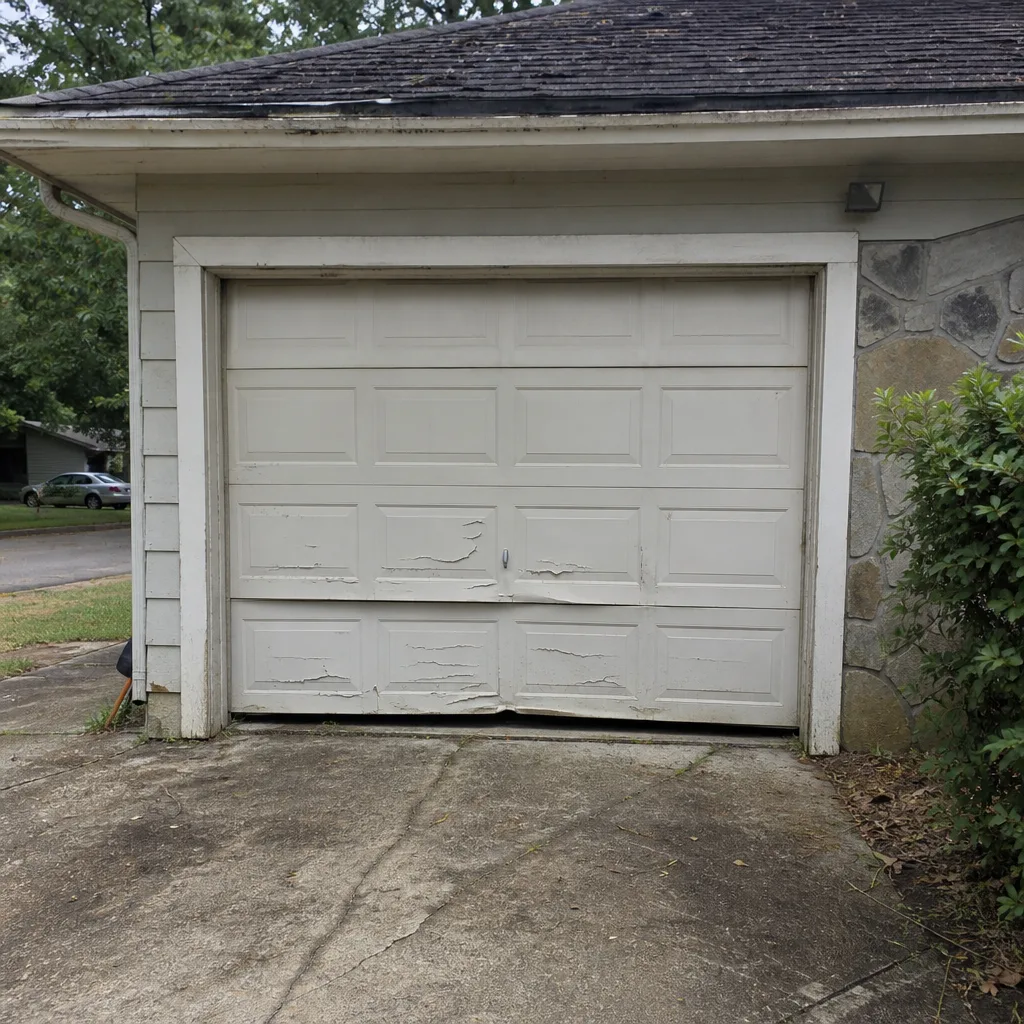 Before
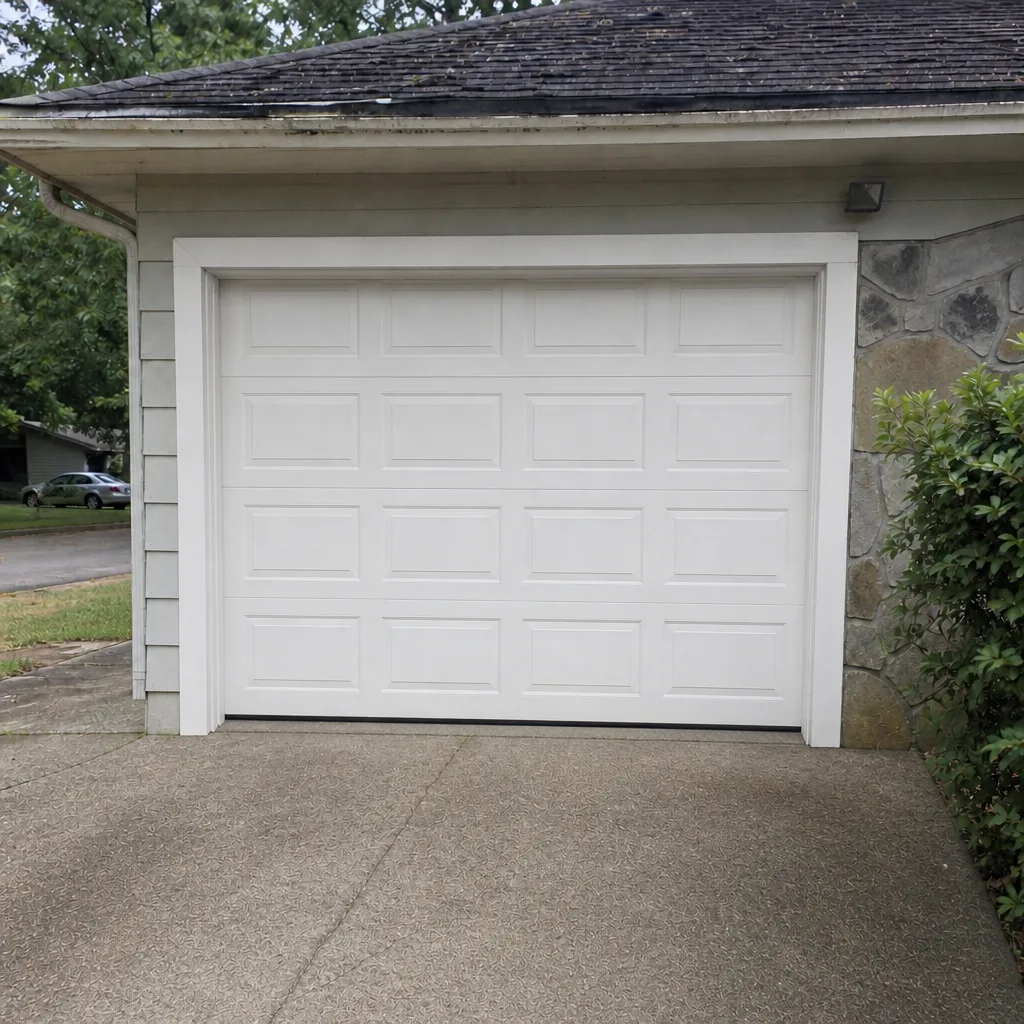 After
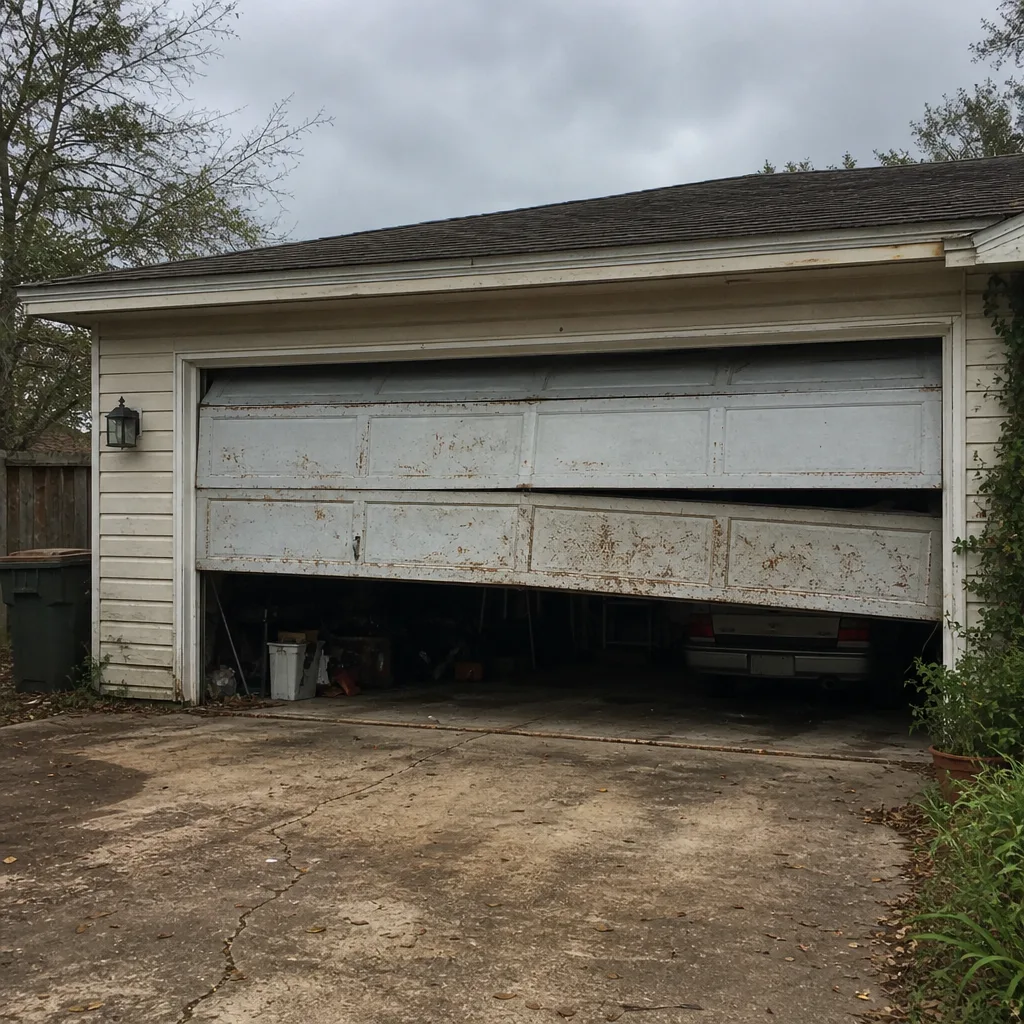 Before
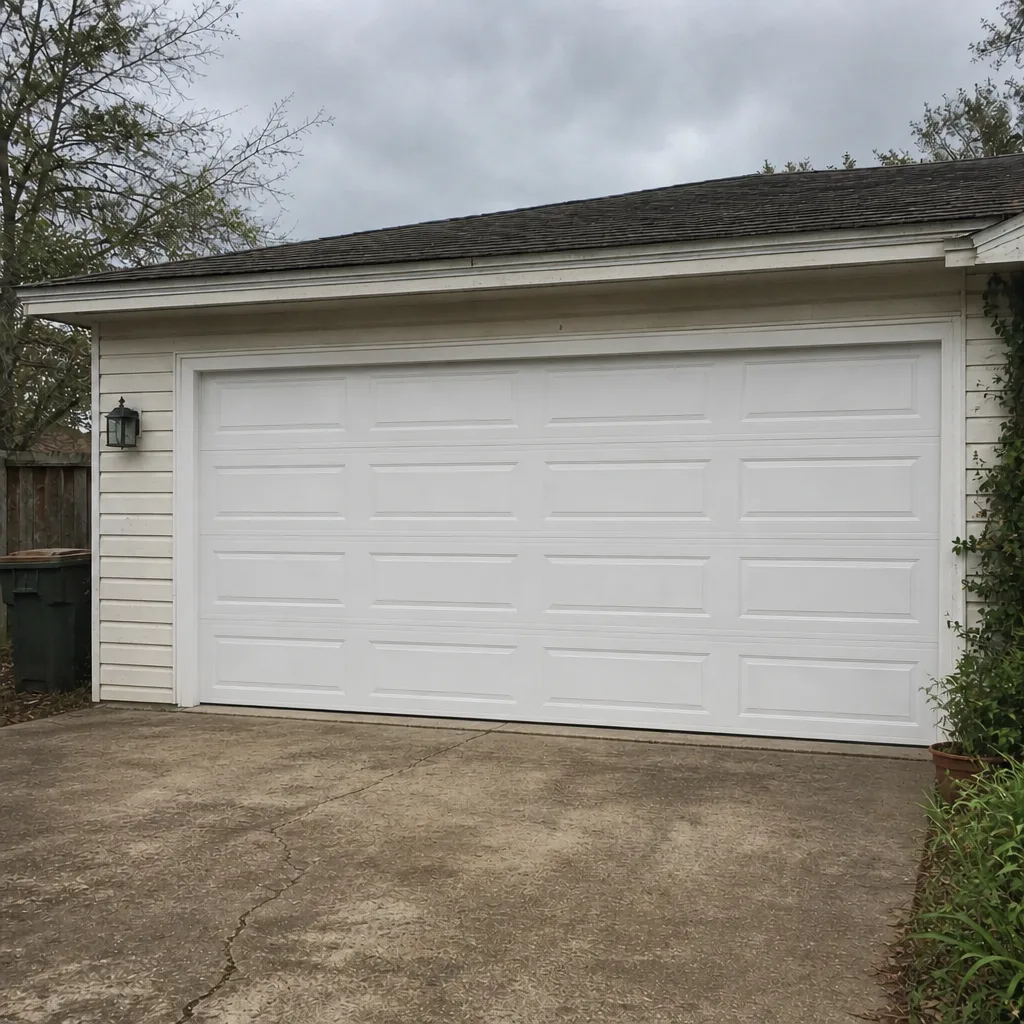 After
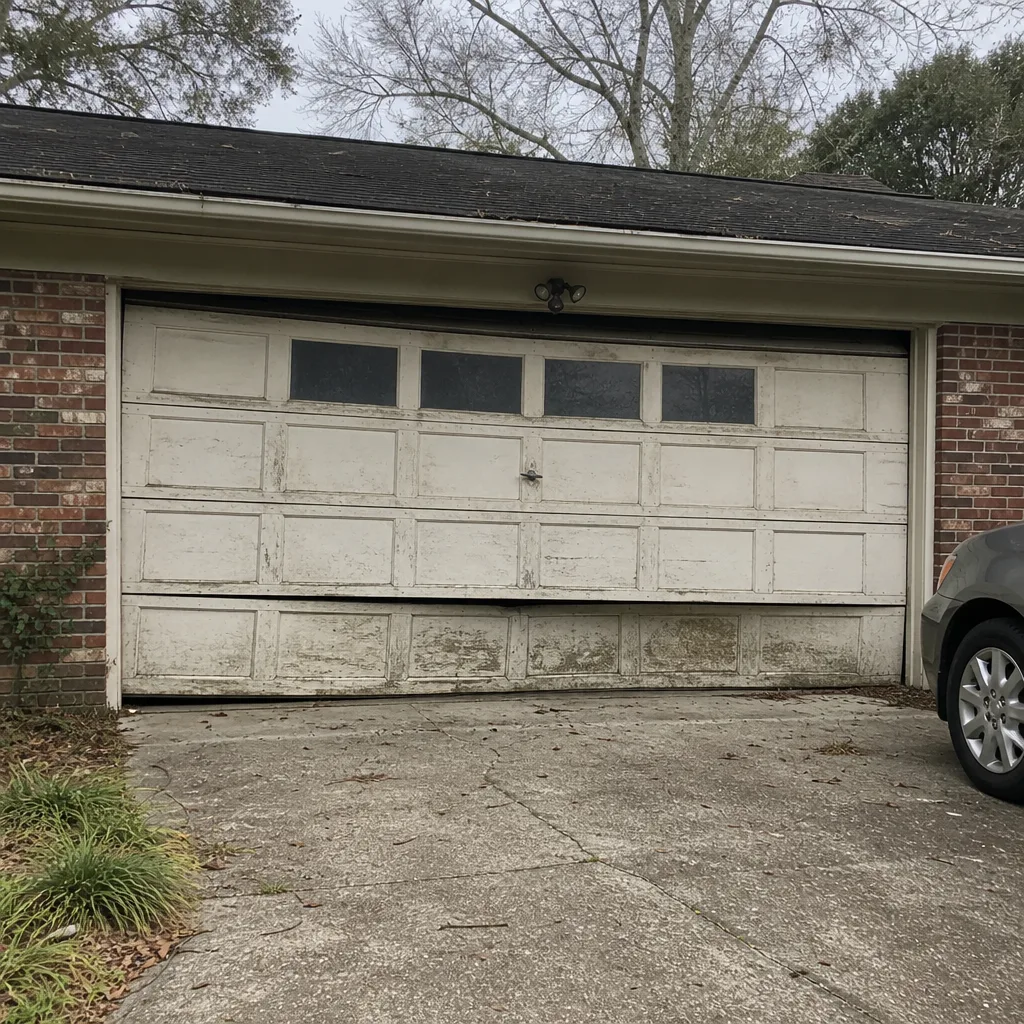 Before
 After