
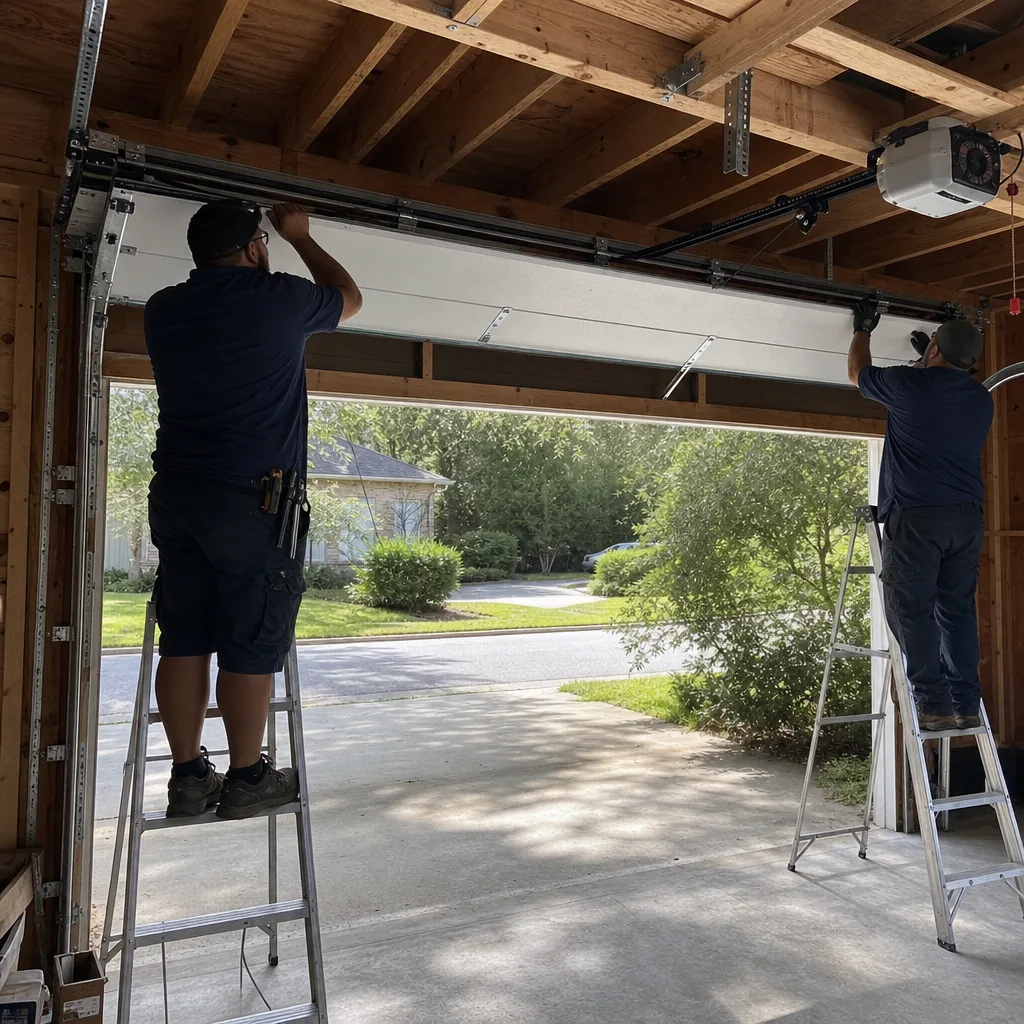
Last updated November 15, 2026
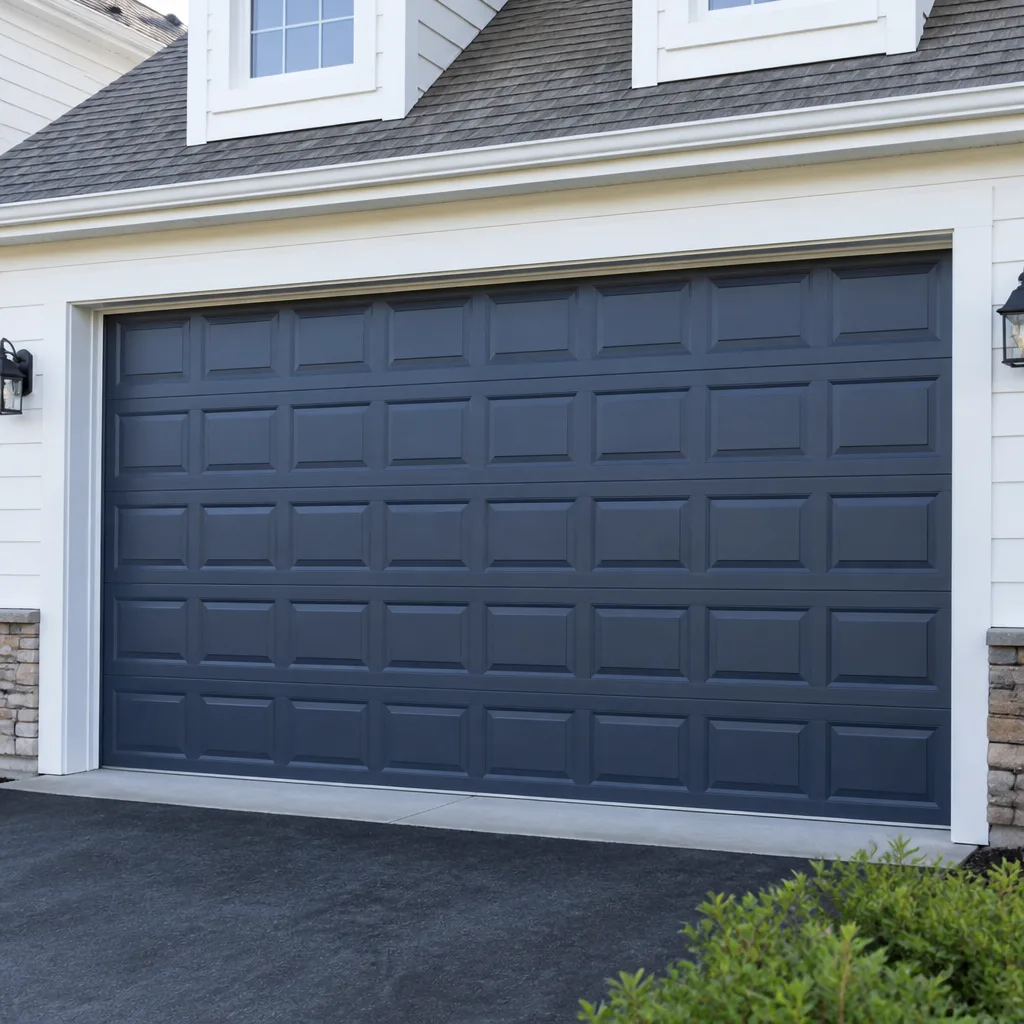 Raised-panel steel
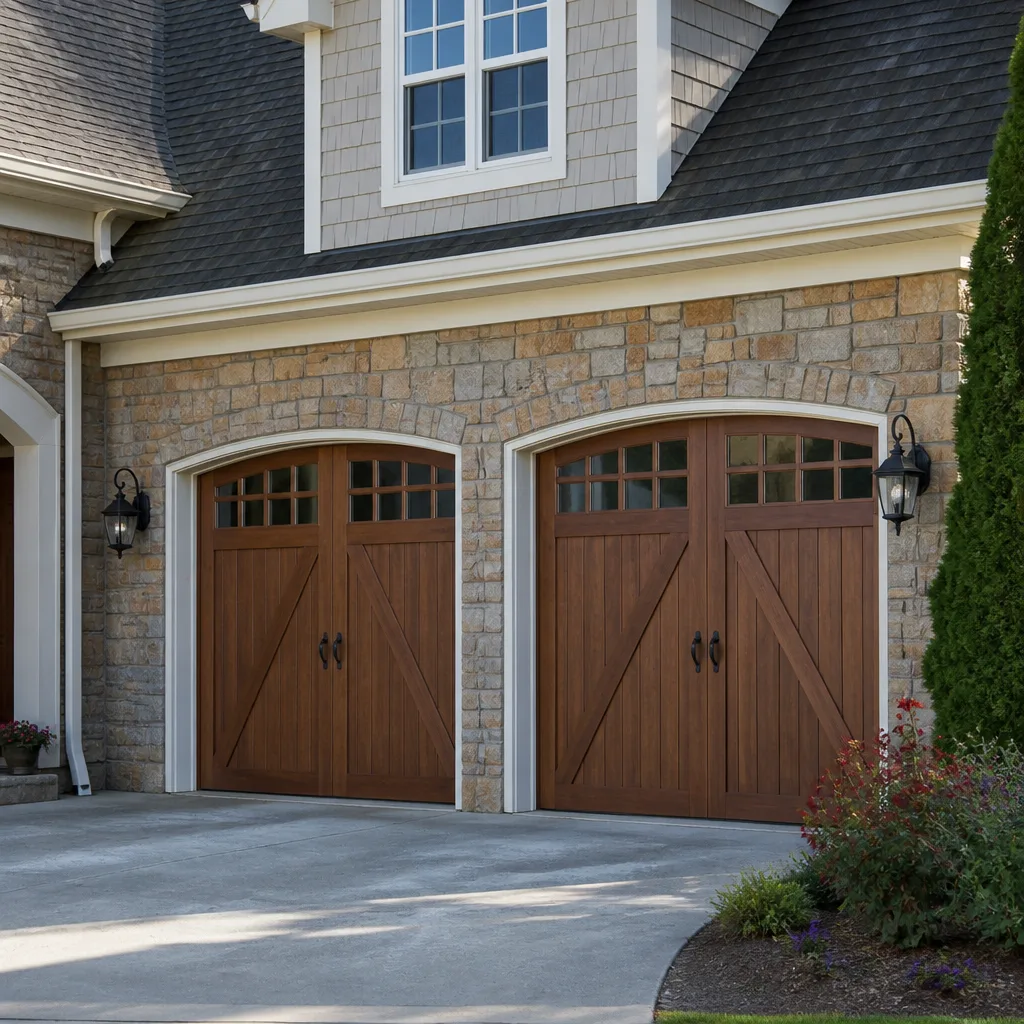 Carriage house
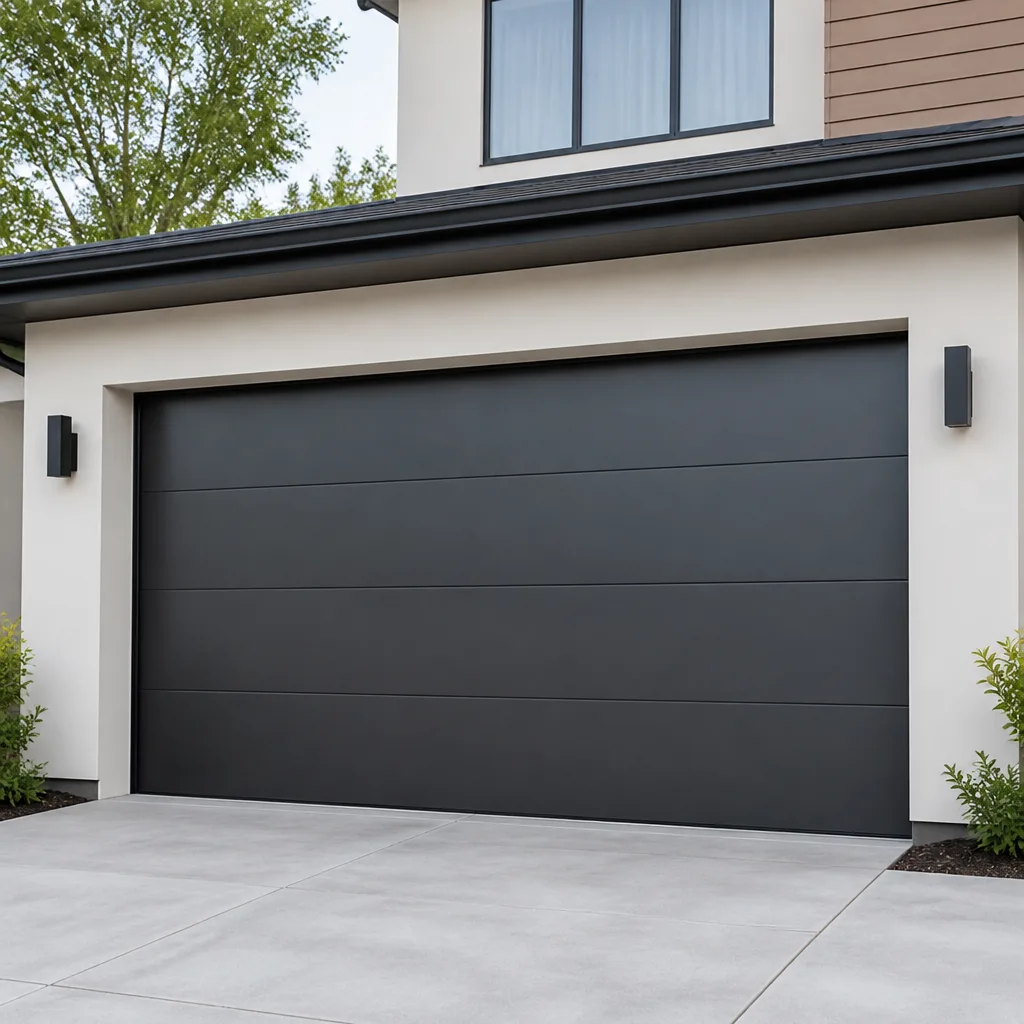 Modern flush
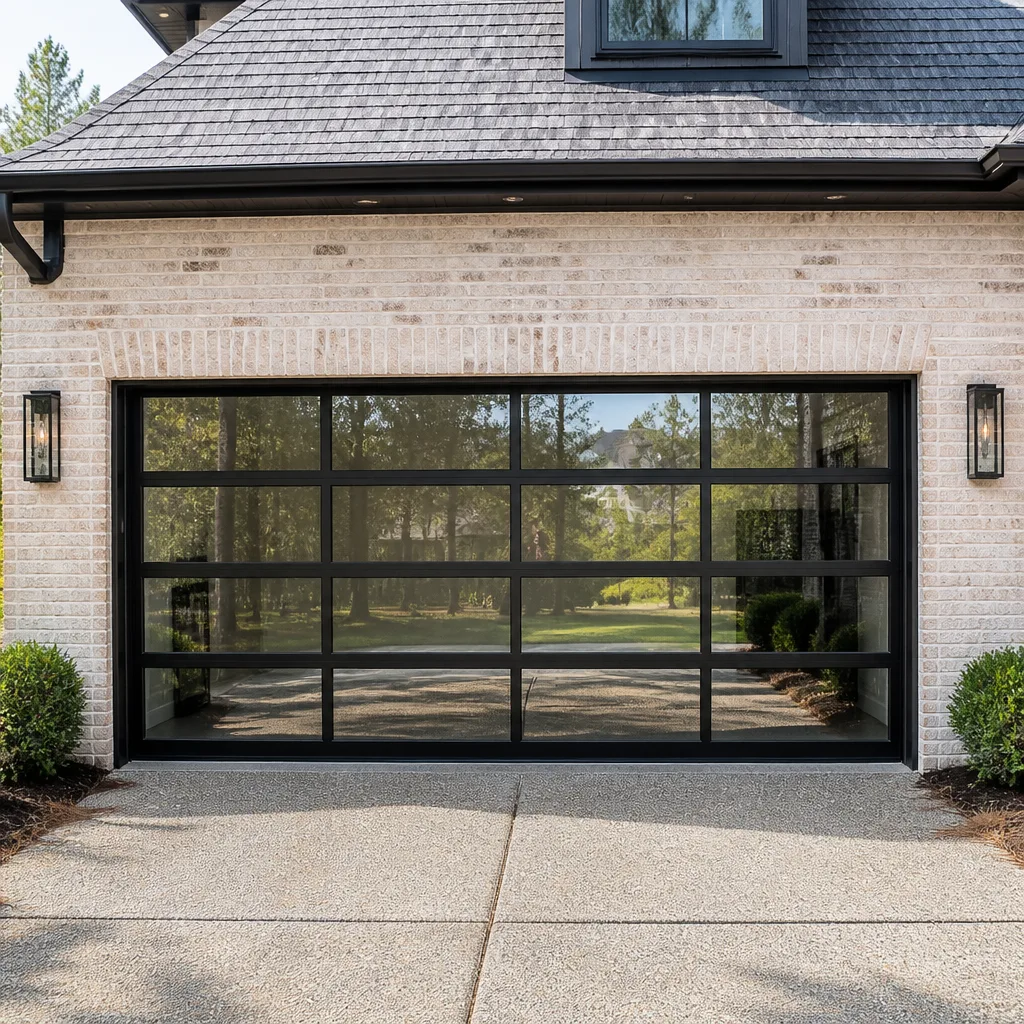 Full-view glass
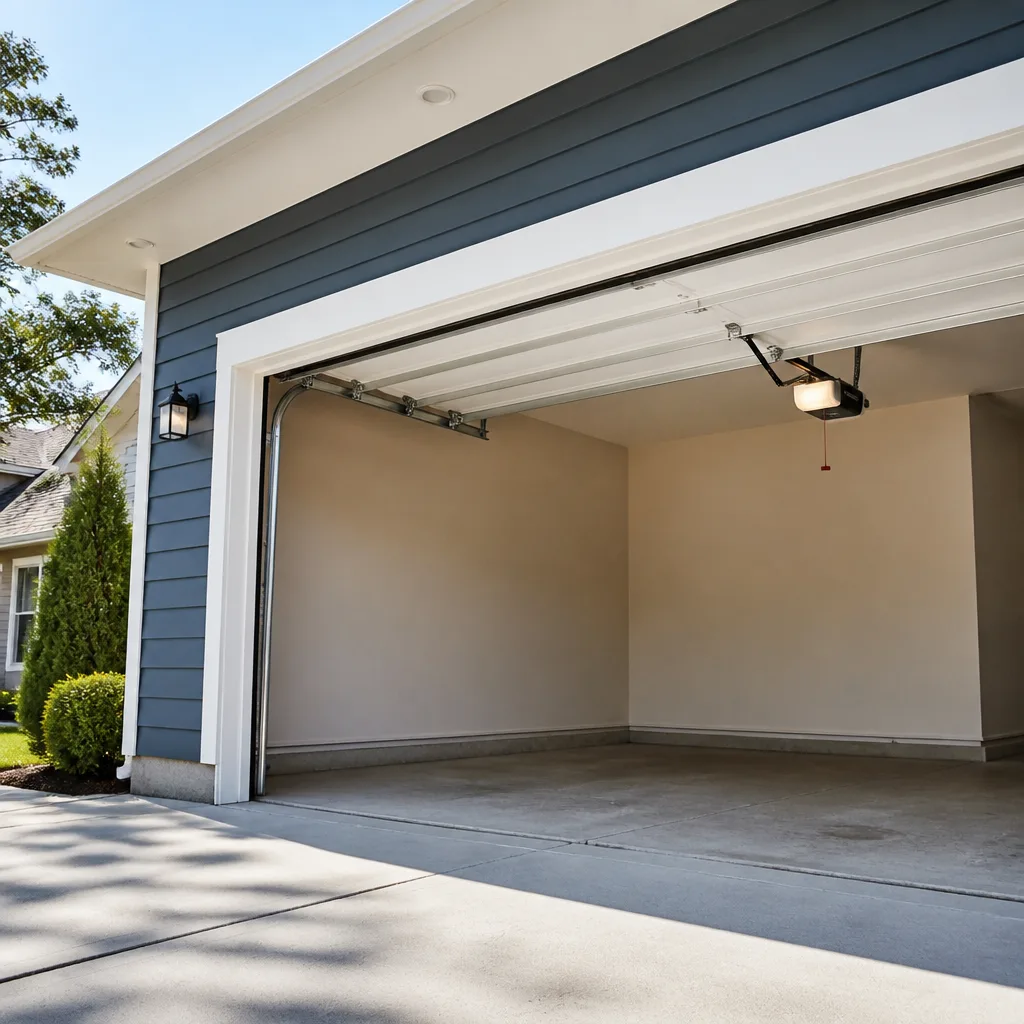 LiftMaster openers
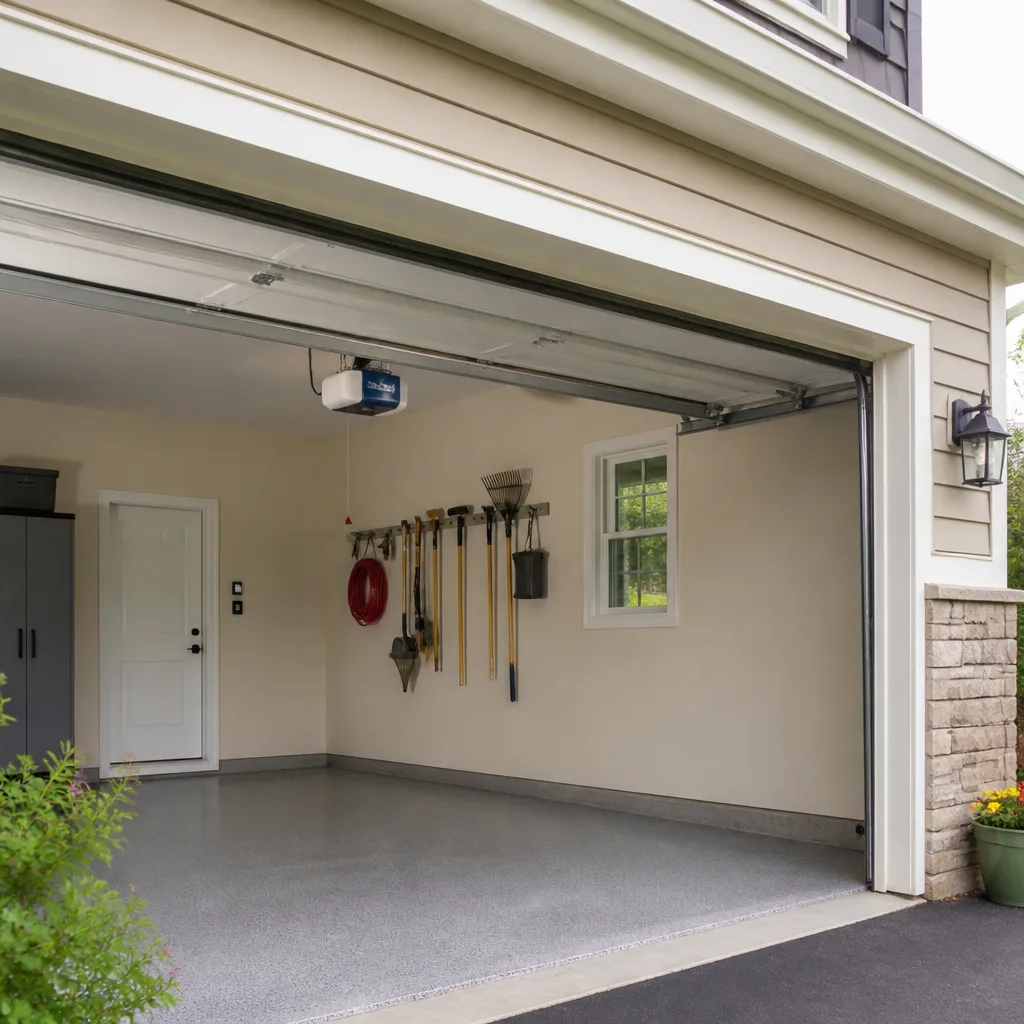 Chamberlain openers
Full 25-point door and opener safety check with every visit - springs, cables, rollers, tracks, and your LiftMaster or Chamberlain opener included
You get a price before we start. It does not change when the pro arrives.
Get your free estimateDIY vs Professional Garage Door: The Tallahassee Homeowner’s Decision Guide
Garage door springs hold hundreds of pounds of tension. Every year homeowners are seriously injured trying to replace them after watching a tutorial that made the job look easy. That’s the part people underestimate: a garage door isn’t a single machine you either fix or don’t fix. It’s a set of separate tasks, some genuinely safe for a careful homeowner and some that should never leave a professional’s hands. The line between them isn’t about confidence or YouTube familiarity. It’s about tension, load, and what happens when a component lets go all at once. This guide maps that boundary task by task for Tallahassee homeowners, so you can tell what you can handle, what sits in the gray zone, and what to hand off before something goes wrong.
Quick Answer
Safe DIY garage door tasks include sensor alignment, weatherstripping replacement, lubrication, and remote or keypad reprogramming. Never DIY the springs, cables, brackets under tension, or a full door installation. Anything that stores or releases mechanical energy belongs to a trained technician. If you’re unsure which category a job falls into, that uncertainty is your answer: call a professional.
Styles & brands we work with
- Raised-panel steel
- Carriage house
- Modern flush
- Full-view glass
- LiftMaster openers
- Chamberlain openers
Table of Contents
- Where the DIY Boundary Actually Sits
- What You Can Safely Handle Yourself
- What Should Never Be DIY
- How to Assess Your Own Door Before You Start
- The Gray Zone: Real Cost Comparison
- Florida Heat, Humidity, and Why DIY Gets Harder Here
- Already Tried a Repair? What to Tell the Technician
- When to Call a Professional
Where the DIY Boundary Actually Sits
The garage door decision isn’t binary. We’ve seen homeowners who could rebuild a carburetor get into trouble with a torsion spring, and homeowners with almost no mechanical background who handle their own sensor adjustments every season without a problem. The dividing line runs along one question: does the task involve a component that stores energy or holds a load?
Springs store energy. Cables transfer it. Brackets, hinges, and bottom brackets hold the door’s weight in tension. Every one of those components can injure you suddenly, without warning, and often before you’ve registered that something has failed. That group belongs to trained technicians with the right tools and the right process. Everything else on a garage door is mechanical, low-risk, and within reach of a reasonably careful homeowner.
In Tallahassee, that distinction matters more than in most places because heat and humidity push these systems harder. A door that runs fine in a mild climate can develop stiffness, binding, and seal problems faster here. That means more of the small DIY-friendly jobs come up each year, and also that the load-bearing components wear faster, which is exactly why the line between “I can handle this” and “call someone” shouldn’t move.
The Three-Bucket Framework
- Green (safe DIY): sensor alignment, weatherstripping, lubrication, remote and keypad programming, visual inspections.
- Yellow (gray zone): roller replacement, hinge replacement, track adjustment, opener force settings, panel replacement. Possible for experienced homeowners, risky for everyone else, and often costlier to get wrong than to hire out.
- Red (never DIY): torsion and extension springs, cables, bottom brackets, and full door installation or removal. High tension, high injury risk.
What You Can Safely Handle Yourself
A handful of garage door maintenance tasks are genuinely within reach for most homeowners, and doing them keeps the whole system running longer. None involve tension or load. Here’s what we tell Tallahassee homeowners they can take on.
- Safety sensor alignment: the two photo-eye sensors near the floor need to see each other. If the door reverses for no reason, a bumped or dirty sensor is usually the cause. Wipe the lenses, check that both are aimed at each other, and confirm the indicator lights are solid.
- Weatherstripping replacement: the rubber seal along the bottom of the door and the strips around the frame dry out and crack, especially with our summer heat. A new seal slides into the retainer channel and is one of the few jobs that directly cuts your cooling costs by keeping hot air out of the garage.
- Lubrication: a garage door needs lubrication roughly twice a year in this climate. Use a garage-door-specific lubricant on hinges, rollers, and the torsion spring (not on the tracks). Avoid heavy grease, which attracts grit.
- Remote and keypad reprogramming: whether you have a LiftMaster or Chamberlain opener, programming a new remote is a documented process in the manual and takes a few minutes. It’s the safest DIY task on the list.
- Visual inspection: look at the springs for gaps or rust, check that the door is balanced when you release the opener, and note any grinding or popping sounds. Finding a problem early is the single best way to avoid a bigger repair.
For routine issues that fall in this category, our garage door repair service can also handle them if you’d rather not, but these are tasks you can reasonably do yourself. The point is knowing which ones.
What Should Never Be DIY
This is the section we wish more homeowners read before they pick up a wrench. The components below are under serious tension or load, and a mistake doesn’t just cost money. It can break bones, sever fingers, or cause a door to come down with nothing holding it.
- Torsion springs: these are the horizontal springs above the door, wound to store enough energy to lift the door’s weight. Releasing or adjusting one without the right winding bars and knowledge is the number-one cause of serious garage door injuries. There is no safe way for an untrained person to do this.
- Extension springs: mounted above the tracks, these stretch under tension and store the same kind of energy. They fail without warning and can whip through the garage. Never touch them.
- Cables: the cables transfer spring energy to the door. They’re under load at all times and can snap. Never loosen or remove a cable.
- Bottom brackets and hinges: these hold the cable in tension. Even a small bracket can release a cable with enough force to maim. Off-limits.
- Full door installation or removal: the door is heavy, awkward, and the springs must be wound during installation. This is a two-technician job with proper equipment.
The pattern is clear: anything under tension or load, leave alone. If you ever find yourself reading a tutorial that says “just be careful” about one of these tasks, close the tab. Read more about what we do safely in our Harborview Garage Door Service overview.
How to Assess Your Own Door Before You Start
Before you take on even a simple job, spend ten minutes checking whether your door has hidden complications that turn a small fix into a bigger one. We’ve seen plenty of “simple” sensor jobs turn out to be misaligned tracks that were the actual cause. Run these checks.
- Balance test: close the door, pull the release cord to disconnect the opener, and lift the door manually to about halfway. It should stay put. If it drops or rises on its own, the springs are out of balance and you should not run the opener or DIY anything until a technician checks it.
- Spring check: look at the springs. A single gap means a broken spring. Rust or sagging springs mean they’re worn. Stop here and call a professional.
- Track alignment: sight down each track. Bends, dents, or a track pulling away from the wall cause binding. Track adjustment can be DIY for some, but it’s on the risky side.
- Door sag or panel damage: run your hand along the panels for dents or cracks. A cracked top panel under a torsion system should be inspected, not repaired at home.
- Opener behavior: listen for grinding, check whether the door reverses mid-travel, and note if the opener strains or overshoots. These point to opener limits (see our garage door opener repair page) or force settings that need resetting.
If all of those come back clean, the job in front of you is probably in the green bucket. If any come back flagged, you’re in yellow or red, and it’s worth calling before you touch anything.
The Gray Zone: Real Cost Comparison
Some jobs sit in the middle. Replacing rollers, swapping hinges, adjusting a track, or replacing a single bottom panel are all tasks a mechanically capable homeowner can attempt, but they’re also where hidden costs add up. Here’s how to think about it honestly.
- Tool costs: a proper set of winding bars, a torque wrench, and a spring-winding kit exceeds the cost of hiring the job done for most homeowners. Tool costs only make sense if you’ll reuse them across several jobs.
- Time: a roller or hinge replacement is a few hours for someone who’s done it before. For a first-timer without the right setup, it’s a full weekend and often a second trip to the hardware store.
- Compounding damage: this is the real cost. A track adjusted a half-inch off-straight now binds a roller every time the door runs, which wears out the opener’s gears within months. A mis-tensioned hinge can cause the cable to jump its drum and destroy the spring or the door. These don’t show up as a line item at the time. They show up a few weeks later as a bigger repair.
- Disposal and sourcing: replacing a panel means matching the manufacturer’s profile and color exactly, which for a Clopay or Amarr door can be harder than it sounds. You may find yourself ordering a part that doesn’t fit the first time.
The honest math: if a job takes you four hours and risks a $400 repair down the line, the professional estimate (usually free and fixed) is the better deal. We’re happy to give you a straight answer on which one serves you better. Our team works across the door and the drive system independently, so a repair on the door panel doesn’t automatically mean replacing the opener. Read more about the wider Tallahassee area at our Tallahassee page.
Florida Heat, Humidity, and Why DIY Gets Harder Here
Tallahassee’s climate adds a specific twist to garage door work that we notice in every season. The heat and humidity change how components behave during a repair, and knowing this can save you a lot of frustration.
In summer, metal parts expand slightly. A track that fits easily in cooler weather can be tight and stubborn when you’re working in a garage that’s well over 100 degrees inside. A roller that slides in easily in winter may need more force in July. Springs lose tension in heat as the metal relaxes, which means a door that was balanced in spring may sit differently in August. If you’re adjusting anything load-bearing on a hot day, the door’s behavior changes when it cools down. That’s not something you can correct at home.
Humidity is the bigger factor. It accelerates rust on springs, hinges, and the opener’s chain. It also swells wood framing that track brackets are screwed into, which makes track adjustment feel loose in one spot and tight in another. And it makes the weatherstripping and bottom seal degrade faster, so the small green-bucket jobs come up more often here than in dry climates. Homeowners in Tallahassee spend more time maintaining seals and lubricating parts than most, and that’s normal for the region.
The bottom line: heat and humidity don’t make springs and cables any safer to touch, but they do make the “simple” jobs harder than they look in a tutorial filmed in a mild climate. Plan accordingly.
Already Tried a Repair? What to Tell the Technician
If you’ve already attempted a repair and it didn’t work, the most useful thing you can do for the next technician is to tell them exactly what you did. Diagnosing a door that’s been meddled with is different from diagnosing an untouched one, because the technician can’t assume anything is where the factory put it.
Be specific and honest. A short list of what to disclose:
- Which components you removed, replaced, or adjusted, and whether you used original parts or aftermarket.
- Whether you touched the springs, cables, or brackets at all, even just to look.
- What tools you used and anything you noticed feeling loose or unusual while you worked.
- Any behavior changes after the repair attempt: noise, imbalance, reversing, sagging, or the door not opening fully.
- Any parts you replaced that you still have on hand, which helps confirm fit if the new part doesn’t match the door’s system.
Why this matters: a technician who thinks they’re diagnosing an original door may test for the wrong thing and miss a real problem. Disclosing prior work lets them check the current state accurately. We’ve seen plenty of cases where a homeowner’s fix introduced a subtle misalignment that only showed up weeks later. Telling us up front saves time and avoids unnecessary parts replacement. If you’re unsure, just say “I tried to fix this myself” and describe what you did. Our technicians have up to 9 years of experience and have seen almost every variation of a home repair attempt.
Common Mistakes to Avoid
- Touching a spring because the tutorial “made it look safe.” No tutorial can substitute for the tooling and training that make spring work safe. The tension doesn’t care how careful you’re being.
- Running the opener on a door with a broken spring. The opener will try to lift a door that weighs hundreds of pounds with no spring assist. That’s how motors burn out and doors come crashing down.
- Using heavy grease or WD-40 on the tracks. Lubricant on the tracks attracts grit and makes the rollers slide instead of roll. In Tallahassee’s humidity, that turns into sticky binding fast. Use a garage-door-specific lubricant and keep it off the tracks.
- Adjusting the opener force setting to compensate for a mechanical problem. Turning up the force hides a worn spring or misaligned track and forces the motor to work harder until it fails.
- Replacing a single panel without checking color and profile. A panel that doesn’t match the manufacturer’s specification will leak, bind, or look wrong. Especially with Clopay or Amarr doors, matching is less simple than it sounds.
- Ignoring a loose track or bracket. A small wobble compounds into a bent track, which then ruins rollers and the opener. Tightening or calling early is cheaper than either.
- Assuming a new opener will fix a door problem. If the door is out of balance or the track is bent, a new opener just gets damaged faster. Diagnose the door first.
See the difference
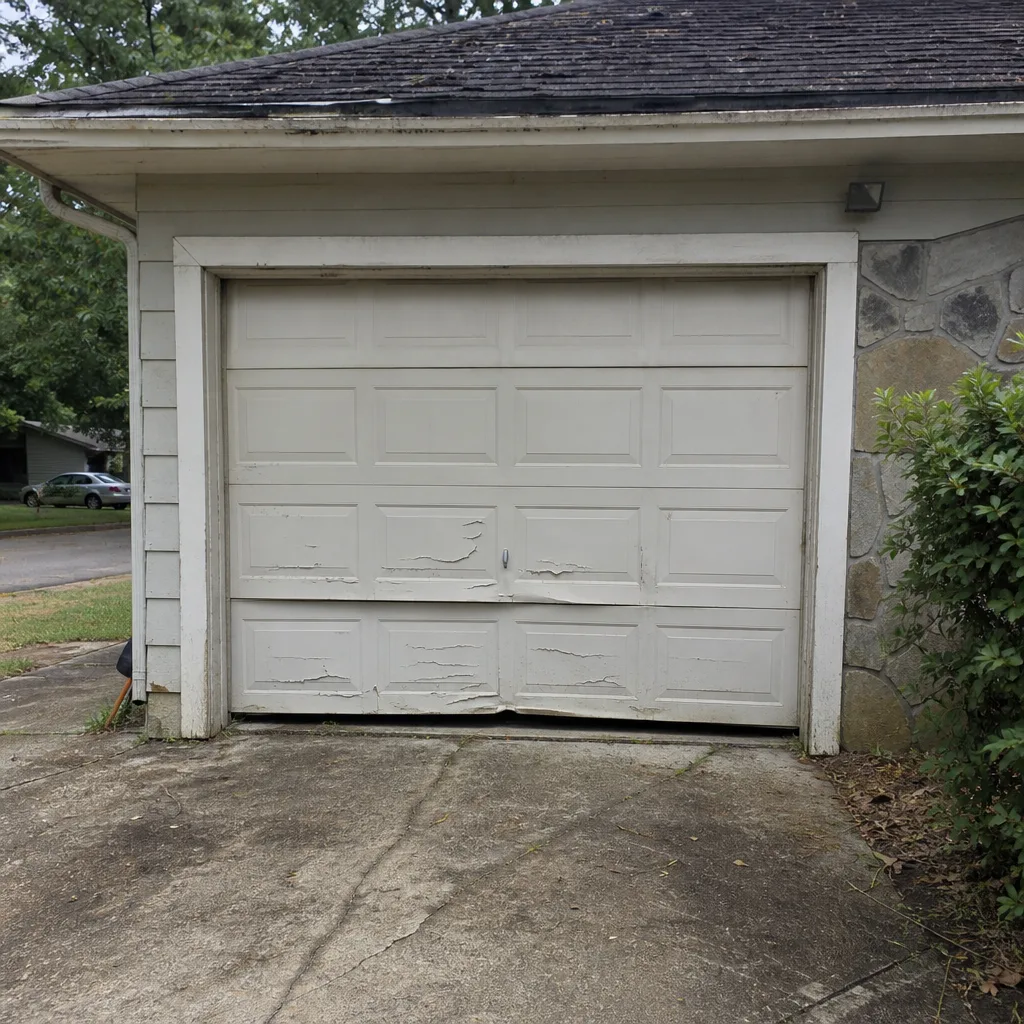 Before
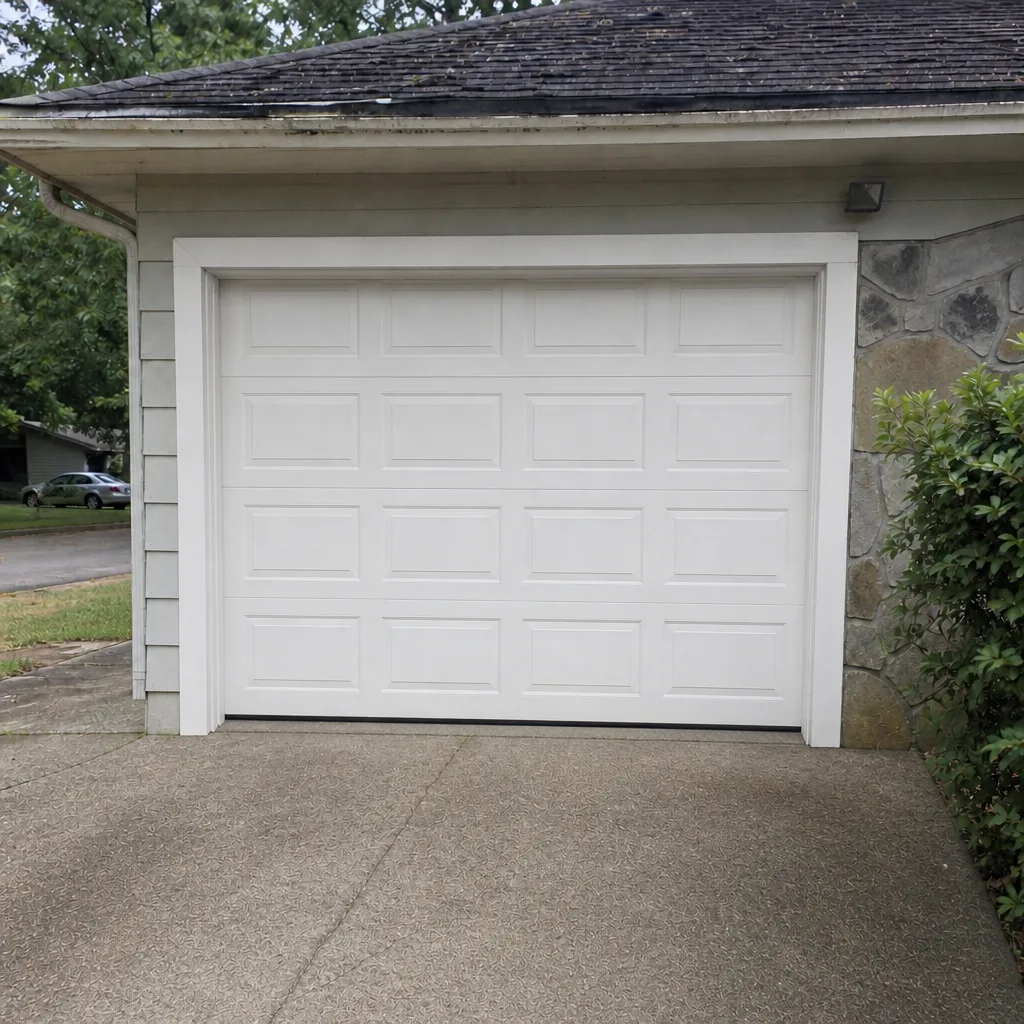 After
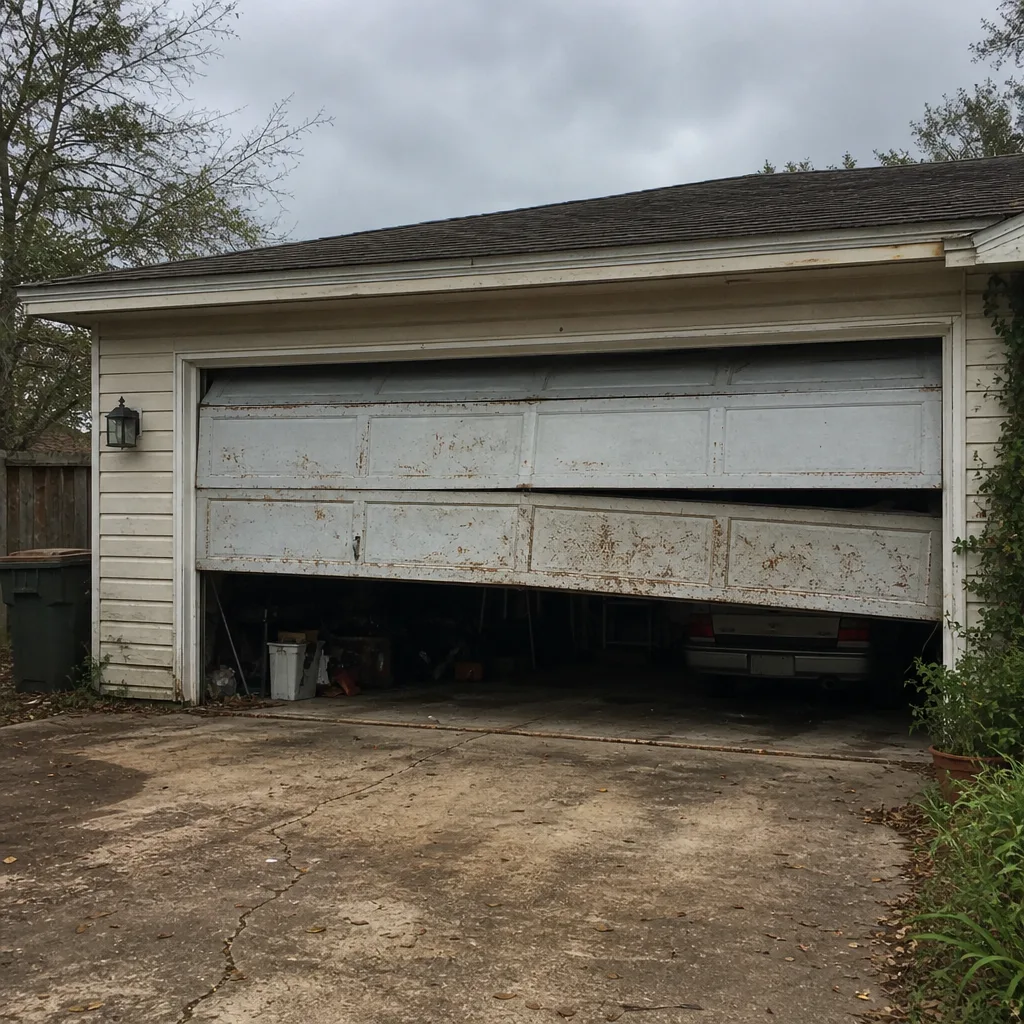 Before
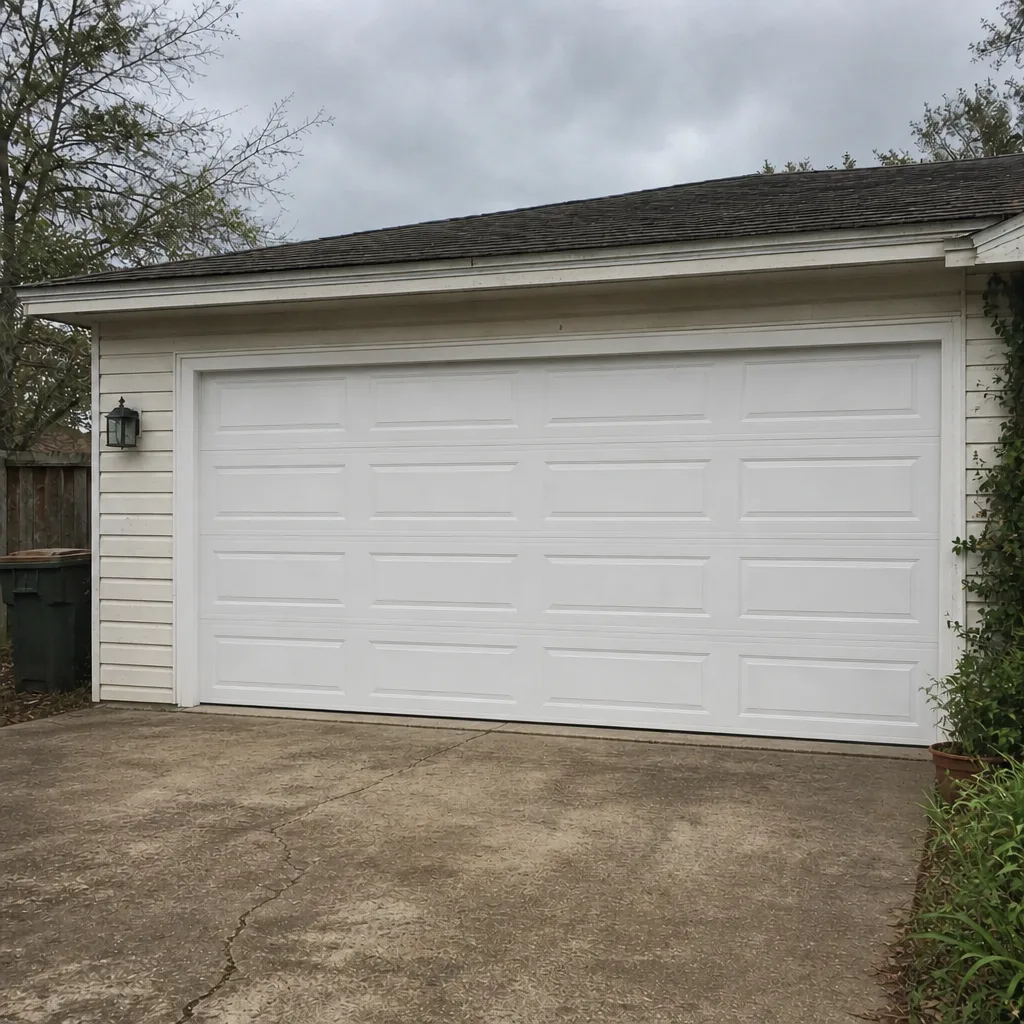 After
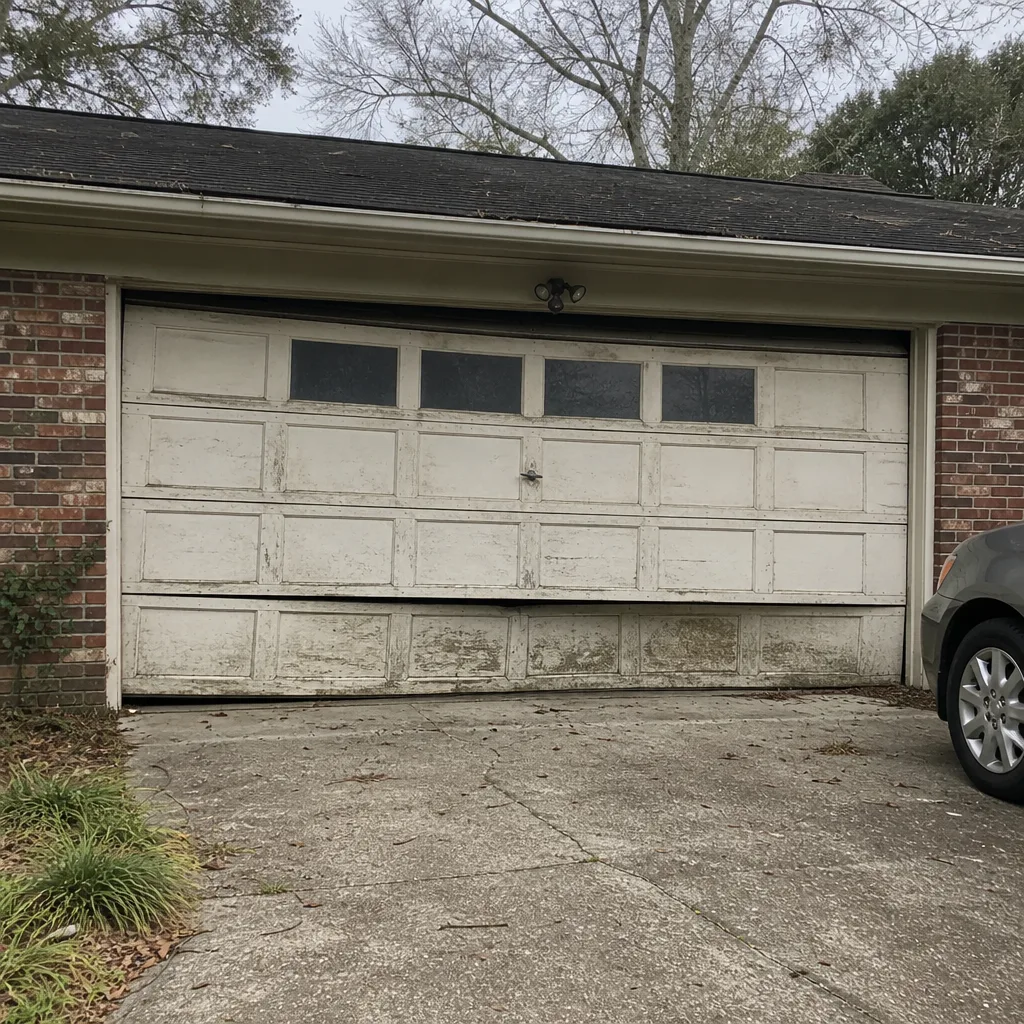 Before
 After
When to Call a Professional
Call a professional if the job involves springs, cables, brackets, or the full door. Call if your door is unbalanced, sagging, or popping. Call if you’ve already attempted a repair and things got worse. Call if the opener reverses or strains or if you’re about to replace a panel and you’re not sure it will match. For anything that sits in that gray zone, a quick conversation and a free estimate usually tells you whether it’s worth doing yourself. Harborview Garage Door Service offers free estimates in Tallahassee. Call (855) 970-6238. We answer 24/7. Fast dispatch from 7am to 7pm, Sunday through Friday. When a technician arrives, the price is quoted and agreed before any work starts, so the written estimate sets the final number.
Frequently Asked Questions
No. Garage door springs store hundreds of pounds of energy and can release suddenly without warning. Replacing or adjusting one without the correct winding bars and training is the leading cause of serious garage door injuries. Call a professional.
Most garage door repairs in Tallahassee fall in the range of a routine service call, with the exact price depending on the specific component and the door’s system. We give free written estimates before any work starts, so you know the price in advance. Call (855) 970-6238 for an exact quote.
Yes. Sensor alignment is one of the safest garage door tasks a homeowner can do. Wipe the lenses, check that both photo-eye sensors are aimed at each other, and confirm the indicator lights are solid. If alignment doesn’t solve the problem, the issue is likely elsewhere and worth a professional look.
Twice a year in this climate. The heat and humidity wear the lubricant down faster than in drier regions. Use a garage-door-specific lubricant on hinges, rollers, and springs, and avoid heavy grease or WD-40 on the tracks. Never lubricate a spring that’s broken or a door that’s out of balance.
Heat expands metal components and relaxes spring tension, so a door that was balanced in cooler weather may sit differently in the summer. Humidity also swells wood framing and accelerates rust. A door that behaves strangely in hot weather often needs a balance check, not a force-setting adjustment. Call a professional to diagnose it.
Yes, and it helps to tell us what you did. Disclosing prior repairs lets the technician diagnose the current state accurately, rather than assuming everything is still factory-standard. Be specific about what you removed, replaced, or adjusted, and mention any noise or behavior changes.
The Bottom Line
The DIY-versus-professional decision for your garage door isn’t one big choice. It’s a series of small ones, each driven by whether the task involves tension or load. Sensor alignment, weatherstripping, lubrication, and remote programming are yours to handle. Springs, cables, brackets, and full installation are not. In Tallahassee, the heat and humidity make the green-bucket jobs come up more often and make the risky jobs riskier, so the line matters more here than in most places. If you’re unsure which bucket a job falls into, let us take a look before you start.
Call (855) 970-6238 for a free estimate. We answer 24/7. Fast dispatch from 7am to 7pm, Sunday through Friday.
Written by the team at Harborview Garage Door Service.