
Last updated November 15, 2026
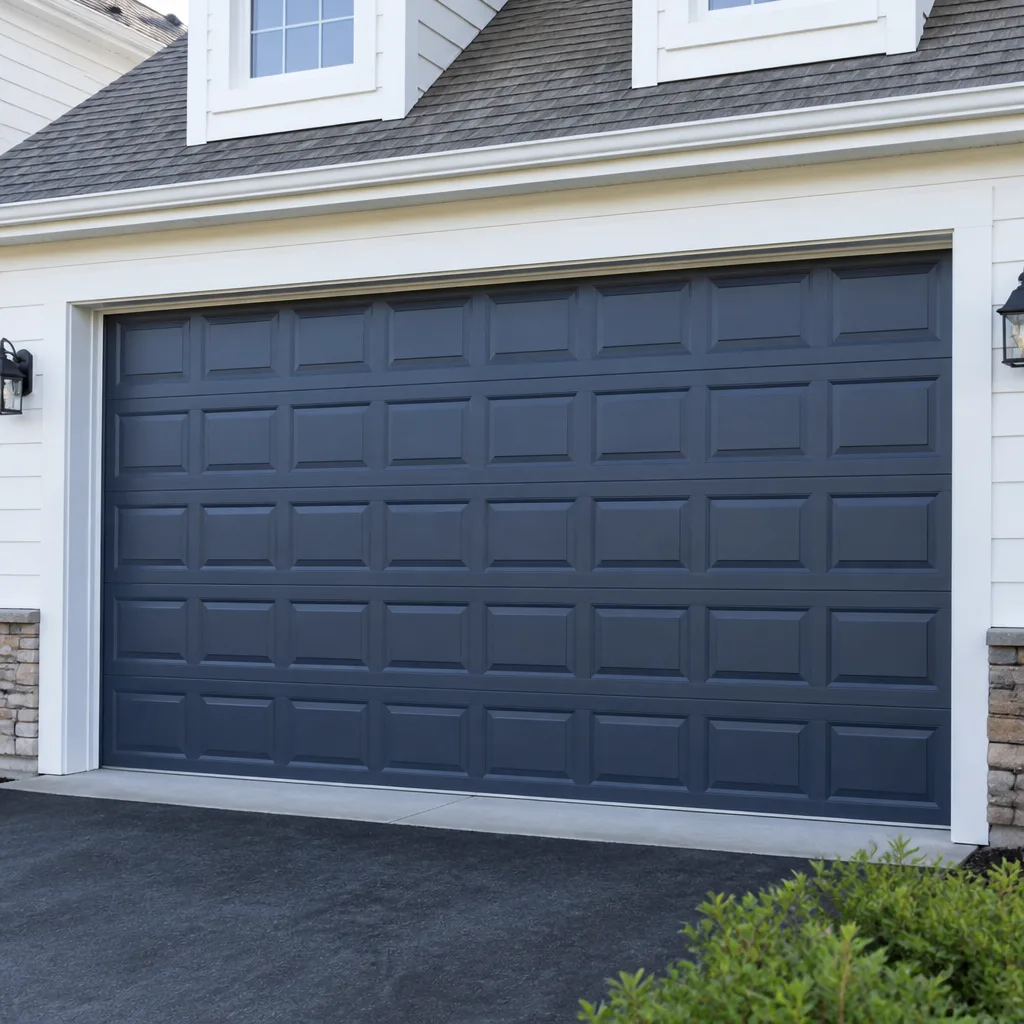 Raised-panel steel
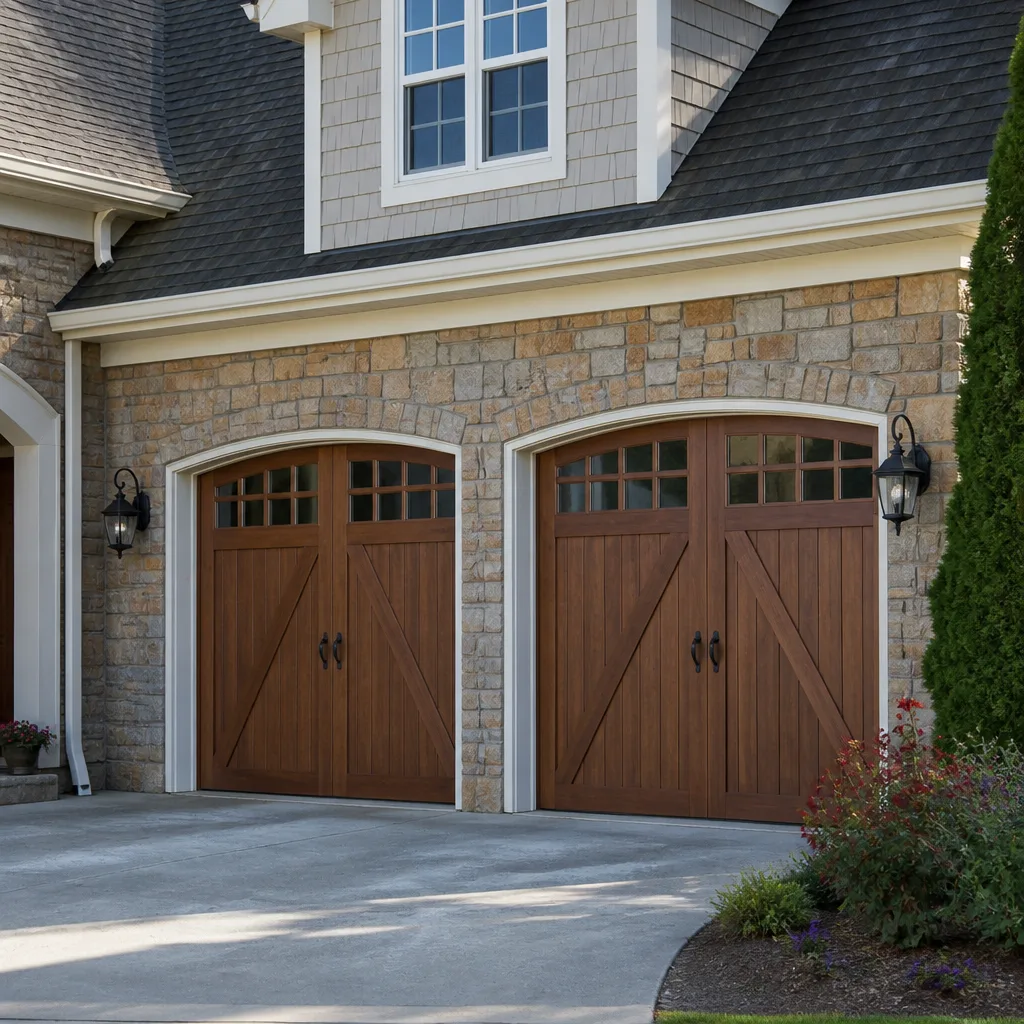 Carriage house
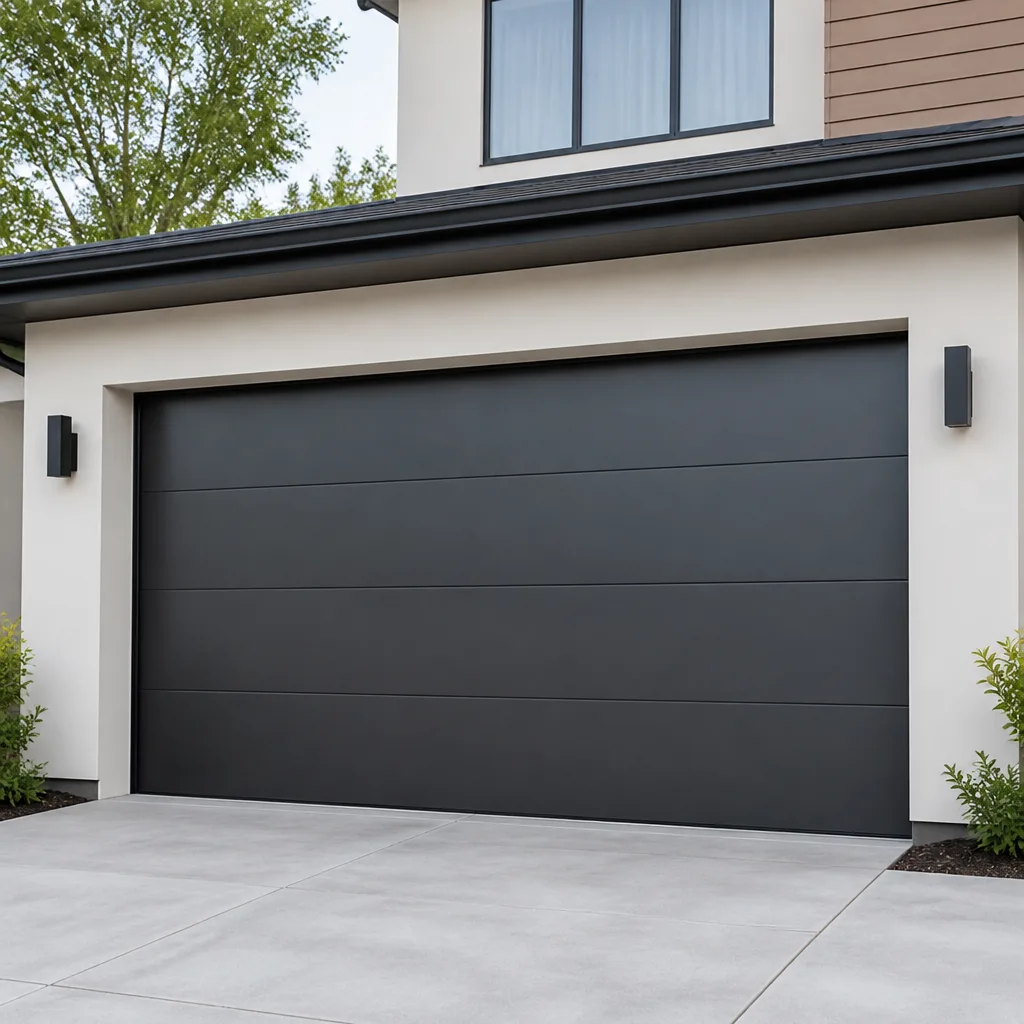 Modern flush
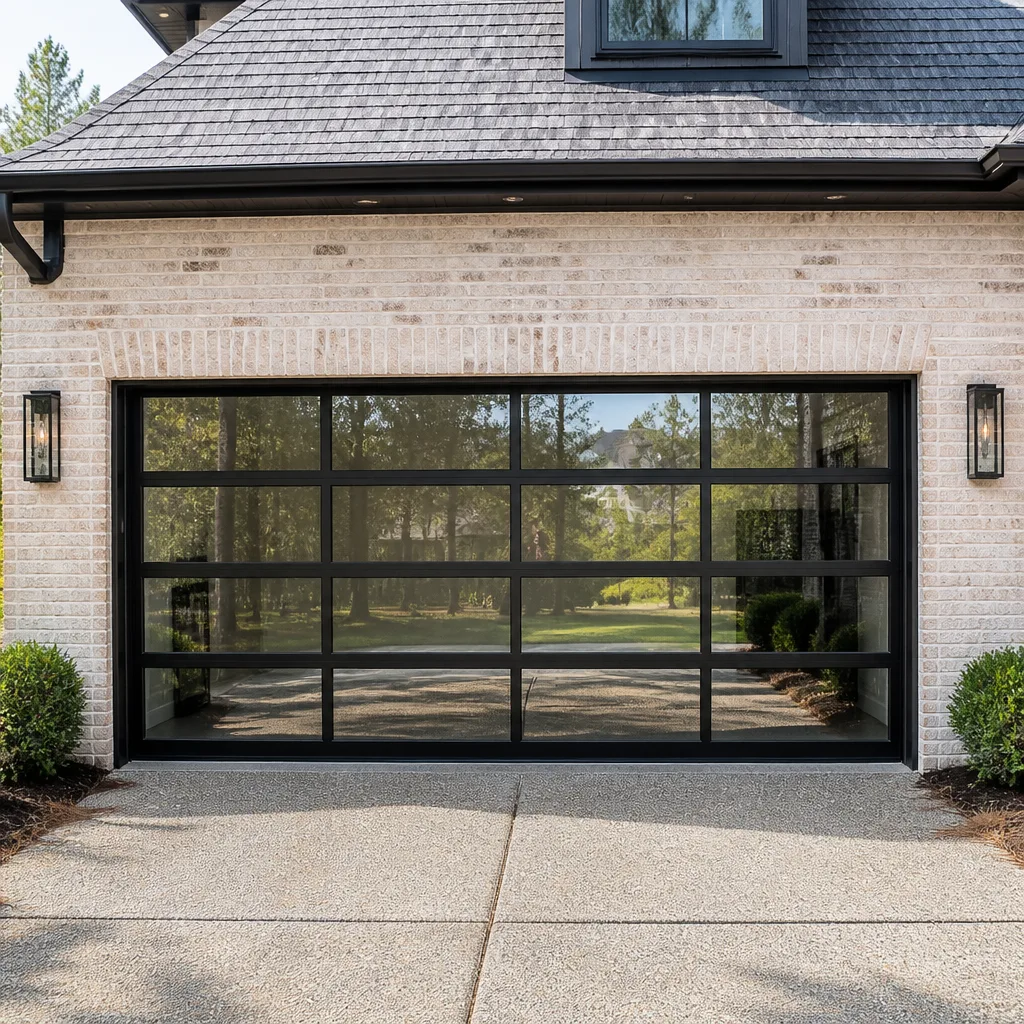 Full-view glass
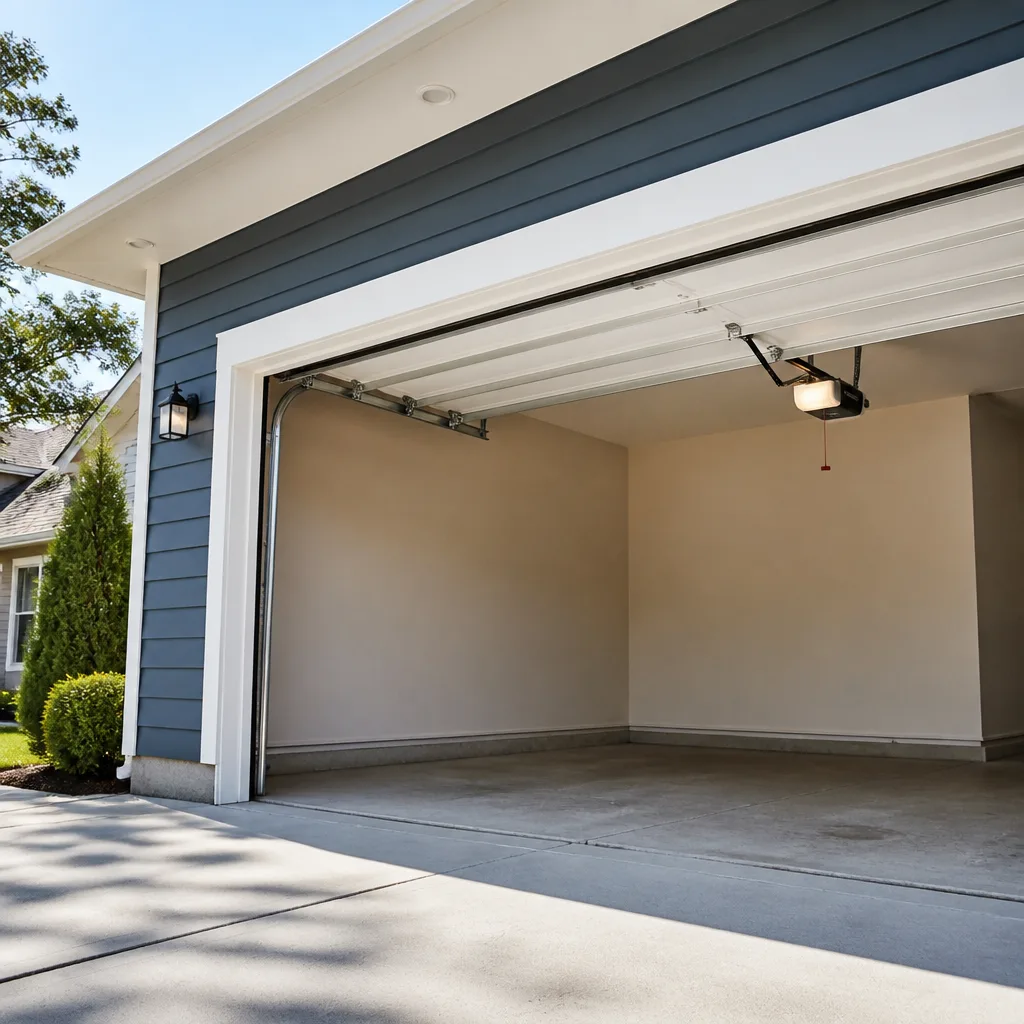 LiftMaster openers
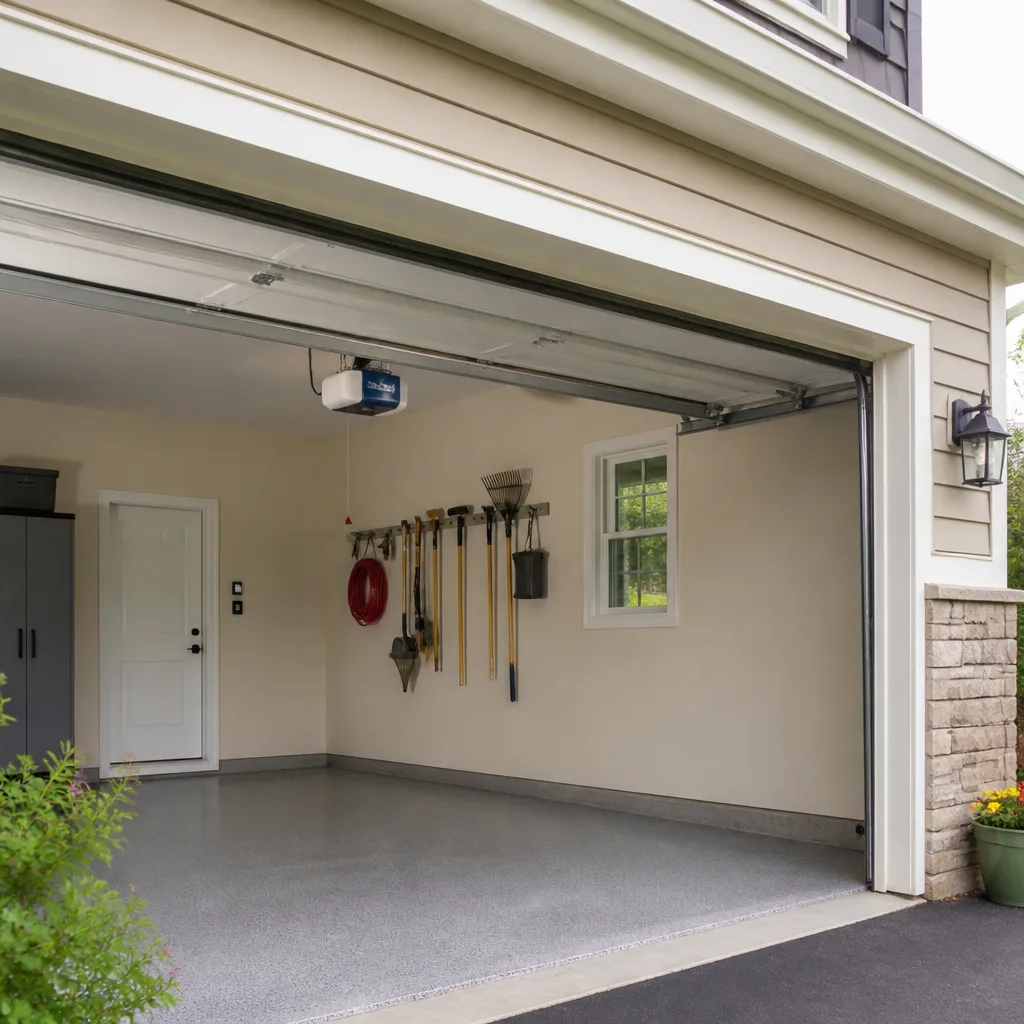 Chamberlain openers
Full 25-point door and opener safety check with every visit - springs, cables, rollers, tracks, and your LiftMaster or Chamberlain opener included
You get a price before we start. It does not change when the pro arrives.
Get your free estimateSeasonal Garage Door Care for Tallahassee: Year-Round Homeowner’s Guide
Most garage door advice assumes cold winters, road salt, and months of ice. Tallahassee doesn’t work that way. Our hardest season on garage door hardware is the wet one: roughly 59 inches of rain a year falls here, and most of it arrives between June and September, the exact window when springs, hinges, and openers are cycling most and wearing fastest. A door that survives a northern winter can still corrode and misalign through a Tallahassee summer if nobody looks at it. This guide maps the right task to the right month, so you’re checking seals before the rain, testing the manual release before storm season, and clearing pollen before it grinds your tracks. By the end you’ll know what to check, what to leave alone, and when a problem is bigger than one afternoon’s work.
Styles & brands we work with
- Raised-panel steel
- Carriage house
- Modern flush
- Full-view glass
- LiftMaster openers
- Chamberlain openers
Quick Answer
Seasonal garage door care in Tallahassee follows four maintenance moments rather than a generic quarterly routine: a pre-hurricane check in May (tighten hardware, test the manual disconnect, document condition), a humidity inspection in July (corrosion on springs and hinges, bottom seal integrity), a post-storm assessment in October (cycle the door under load and inspect what only shows up in motion), and a spring reset in March (clear pollen from tracks and sensors, reassess weatherstripping). A brief mild winter needs little beyond a December once-over. The single most valuable habit is a short visual and cycle test at each of those points, before small wear becomes a repair.
Table of Contents
- Why Seasonal Care Works Differently in Tallahassee
- May: The Pre-Hurricane Season Checklist
- July: The Mid-Summer Humidity Inspection
- October: Post-Storm Assessment Under Load
- December: Winter Readiness for a Mild Climate
- March: The Spring Reset
- A Month-by-Month Maintenance Calendar
- Common Mistakes to Avoid
- When to Call a Professional
- Frequently Asked Questions
Why Seasonal Care Works Differently in Tallahassee
In colder parts of the country, garage door maintenance is built around freeze and thaw, salt on the roads, and long stretches of hard cold. None of that applies here. What does apply is sustained heat and humidity, a hurricane season that runs from early summer into fall, and a spring pollen load that coats every horizontal surface outside your house. Each of those stresses a different part of the door.
Humidity works on metal slowly and quietly. Springs, hinges, rollers, and the bottom of the door collect condensation through the wet months, and unprotected steel starts to show surface rust long before anything visibly fails. Heat expands and contracts the metal panels, which can loosen fasteners over a season. Pollen and grit get into the tracks and act like sandpaper on nylon rollers. Storm-driven rain pushes past weather seals that looked fine in dry weather.
That means a Tallahassee door benefits from being checked at the transitions, not just when something breaks. We work on the eight most widely installed residential door and opener brands in North America, including Genie, Clopay, Amarr, and Wayne Dalton, and the seasonal pattern we see in Tallahassee is consistent across all of them: the failures that surprise homeowners are almost always the ones that started quietly in July and finished in October. The rest of this guide breaks that pattern into specific checks you can do yourself, and the points where a trained technician should take over.
May: The Pre-Hurricane Season Checklist
May is the month to get ahead of storm season. The goal isn’t to storm-proof the door – it’s to confirm that everything is tight, that the safety systems work, and that you know the door’s baseline condition before the wet months begin. Most of this takes an afternoon.
- Tighten the hardware. Check the bolts and lag screws that hold the hinges, the track brackets, and the opener’s mounting bracket to the framing. Humidity and heat cycling loosen these over a year. Snug anything that moves when you wiggle the door by hand.
- Test the manual disconnect. With the door fully closed, pull the red release handle to disengage the opener. Then lift the door by hand. It should rise smoothly with steady effort and stay where you leave it, roughly waist height. If it drops, or if it takes real force to lift, the spring tension needs attention from a technician before storm season.
- Run a simulated power outage. With the door closed and the opener disengaged, open and close the door by hand entirely. You’re confirming that you and everyone in the household can operate the door manually if the power goes out. Re-engage the opener by pressing the wall button and letting it reconnect, then test a normal cycle.
- Check the weather seal around the perimeter. Look at the bottom seal and the side and top trim with the door closed. Any gap that lets daylight through will let driven rain through too. The bottom seal is the one that takes the most abuse and the one most often replaced.
- Document the door’s condition. Take photos of the springs, the hinges, the tracks, and the bottom seal. If storm damage does occur, a before-and-after record is what you’ll want when you talk to your insurer, and it makes the post-storm inspection in October far quicker.
If anything in this checklist fails, that’s the moment to book a repair rather than wait. A door that doesn’t stay up on its own, or an opener that doesn’t respond to the wall button, needs professional attention before the season gets busy. For anything on the spring-and-cable side of that list, see our page on garage door repair before you start, because those parts are genuinely dangerous to touch.
July: The Mid-Summer Humidity Inspection
By July, Tallahassee has usually had its first major rain cycles of the season. That’s the right moment to look at how the door is holding up under sustained humidity, because the damage shows up in specific places.
Check the springs first. Look along the coils for rust, especially on torsion springs mounted above the door. Surface rust alone isn’t a failure, but it tells you the spring is losing its protective coating, and a rusted spring weakens faster. Don’t oil the spring or try to treat it yourself; a trained technician can assess tension and condition. Springs are under extreme tension even when the door is closed, and they can cause serious injury if handled without the right tools and experience. That’s a job to hand off.
Look at the hinges and rollers. Hinges collect moisture at the pivots. Nylon rollers wear and develop flat spots; steel rollers rust. Run the door up and down slowly and listen. A squeak or grind at a hinge tells you it’s binding. A rattle or wobble can mean a worn roller.
Inspect the bottom seal. After a summer of rain, the bottom seal is where water intrusion shows up first. With the door closed, check for tears, flattening, or sections that have pulled away from the door panel. A worn bottom seal lets water sit against the threshold, which is exactly what you don’t want during the wettest part of the year.
Test the safety reverse and the sensors. Put a small object – a roll of tape works – in the door’s path and run it closed. The door should reverse on contact. Then check the photo-eye sensors on either side of the opening: clear any pollen or debris off the lenses, and confirm the indicator light on each is steady, not blinking.
If your door or opener is a LiftMaster or Chamberlain with myQ, or a Genie with Aladdin connectivity, July is also a good time to confirm the remote and app controls still work. Humidity can affect the wall control and sensor wiring, and a door that’s hesitant from the app is telling you something.
October: Post-Storm Assessment Under Load
October is when Tallahassee door problems that were invisible in dry weather begin to show. The point of a post-storm inspection is to cycle the door under load and watch what happens in motion – not just to glance at it while it’s sitting closed.
Work through this sequence:
- Look before you move anything. With the door closed and the opener disengaged, walk the length of the tracks on both sides. Look for bends, separated hangers, or track sections that have pulled out of alignment. Check the panels for dents and the bottom seal for gaps.
- Release the opener. Pull the manual release and lift the door halfway. If it doesn’t stay put, or if you have to fight it, stop. A door that won’t hold its position has a spring or balance problem, and that’s for a technician, not a homeowner.
- Re-engage and cycle the door three times. Watch and listen each time. A door that travels smoothly on the first cycle and stutters on the third is telling you something about a loosening fastener or a track issue. Note exactly where the hesitation happens – it helps a technician pinpoint the problem.
- Check the opener’s response. Test the wall button, each remote, and the safety reverse. If the door reverses before it reaches the floor, or the opener strains at the top of travel, that’s an adjustment or a worn part, not a storm problem, but it often shows up at the same time.
- Check for water staining. Look along the interior wall where the track brackets attach and along the threshold. Any water marks point to a seal that failed during the storm and needs replacing before the next rain cycle.
If the inspection turns up a track issue or a balance problem, it’s better to have it repaired now than to wait for the next storm to make it worse. We’re equipped for opener issues too; our garage door opener repair page covers the diagnostic side in more detail.
December: Winter Readiness for a Mild Climate
Here’s the good news: most of the winter garage door advice you’ll find online is written for cold climates and doesn’t apply in Tallahassee. Tallahassee winters are mild, and your door isn’t going to face freeze-thaw stress, ice on the tracks, or snow load. You can skip the winterization checklists that tell you to de-ice the tracks or adjust for subzero temperatures.
What does change in December is the demands on the door. The weather is milder, so the door gets used more casually. The humidity is lower, which is easier on metal. But the shorter days mean more door cycles in the dark and, in our experience, more calls about remotes and safety sensors that don’t respond the way they did in summer. A quick once-over is usually enough:
- Clear any debris from the tracks – pollen season is over, but leaves and grit can still gather.
- Test the safety reverse and the photo-eye sensors, since they’re the parts that get less attention when the door is used less.
- Check the bottom seal, since the rainy season is over and any damage from summer is now visible.
- Lubricate the hinges and rollers with a garage-door-specific lubricant, not a general household oil. A light application goes a long way.
- Check the opener’s battery backup if it has one, and confirm the remote batteries are fresh before the short days.
That’s it. December is more of a check-in than a project. If something did turn up over the summer that you meant to fix, now is the time, before the spring pollen arrives. Our Harborview Garage Door Service team handles both the door side and the opener side, so there’s no handoff between one contractor and another if the check-in turns into a repair. If you’re in a neighborhood like Killearn or Betton Hills and your door faces an open driveway with more wind exposure, it pays to look at the weatherstripping a little more closely in December.
March: The Spring Reset
Spring in Tallahassee means pollen, and pollen does real damage to a garage door if it’s left to build up. It settles in the tracks, coats the sensors, and grinds into the rollers every time the door moves. March is the month to clear it out and to reassess the weatherstripping before the summer rain arrives.
- Clear the tracks. With the door closed, use a dry cloth or a soft brush to remove pollen, grit, and any debris from both tracks. Don’t use a wet cloth – you want to lift the pollen out, not push it into the track channels. Then run the door up and down once to confirm it moves cleanly.
- Wipe the safety sensors. The photo-eye lenses are small and pollen coats them quickly. Wipe each lens with a dry, soft cloth and confirm the indicator lights are steady after the door cycles.
- Check the weatherstripping. The bottom seal and the side and top trim take the most wear over summer. Look for cracking, compression, or sections peeling away. If the bottom seal is flattened or split, replace it before the rain season. Side and top trim that’s pulling loose is worth re-securing.
- Lubricate the moving parts. Hinges, rollers, and the opener’s rail benefit from a light application of garage-door lubricant after the pollen is cleared. A dry lubricant on the tracks themselves is usually better than a wet oil, which attracts grit.
- Test the balance and the safety reverse. With the opener disengaged, lift the door halfway. It should hold. Then cycle it and test the reverse function. If either fails, that’s a repair before the season starts, not after.
March is also the time to think about the door’s appearance. Pollen and humidity can leave a film on painted steel or aluminum panels, and a gentle wash with mild soap and water keeps the finish intact. If you’re in a Tallahassee neighborhood with a lot of live oak and pine, expect more pollen and more frequent track-clearing through March and April.
A Month-by-Month Maintenance Calendar
Here’s the whole guide condensed into a calendar you can keep on the fridge or in a note on your phone. The four big maintenance moments are May, July, October, and March, with December as a light check-in. Between those, keep an eye on the door and note anything that changes.
- March: Spring reset. Clear pollen from tracks and sensors, check and replace weatherstripping as needed, lubricate moving parts, test balance and reverse.
- April: Watch for pollen buildup and clear tracks as needed. Listen for new sounds on each cycle.
- May: Pre-hurricane checklist. Tighten hardware, test the manual disconnect and simulated power outage, check the perimeter seals, document the door’s condition with photos.
- June: Confirm the door operates smoothly with the first major rain. Check for water intrusion at the threshold.
- July: Mid-summer humidity inspection. Check springs and hinges for corrosion, inspect the bottom seal, test safety reverse and sensors, confirm opener and app controls work.
- August: Monitor during peak storm season. If a storm passes through, run the October assessment early.
- September: Continue storm-season monitoring. Keep the tracks clear and the sensors clean.
- October: Post-storm assessment under load. Full inspection sequence as described above.
- November: Any repairs from the summer and fall should be completed now, before the holidays.
- December: Winter check-in. Clear debris, test safety systems, check the bottom seal, lubricate, confirm remotes and battery backup.
- January: A quiet month. If the door makes a new noise, note it and book a repair.
- February: Prepare for spring. Confirm the sensors and reverse function work before pollen season.
The calendar is a framework, not a strict rulebook. If a door has just been installed or is showing new symptoms, the best move is a call rather than a wait for the next scheduled check-in. A door that’s been well maintained through the year will still need repairs eventually, but the repairs tend to be smaller and more predictable when you stay ahead of them.
Common Mistakes to Avoid
- Treating a mild winter like a cold-climate one. Winterization checklists written for northern states tell you to de-ice the tracks, adjust for freeze-thaw, and worry about snow load. None of that applies in Tallahassee, and following those steps can waste time or, worse, introduce a problem that wasn’t there. Focus on the wet season and the pollen season instead.
- Trying to adjust or replace a spring yourself. A torsion spring is under extreme tension even when the door is closed, and handling it wrong can cause serious injury. This is the one part of a garage door that should always be left to a trained technician. Same goes for the cables that connect to it.
- Skipping the manual disconnect test. Many homeowners never test whether they can open the door by hand if the power goes out. In Tallahassee, that’s a real scenario during a summer storm, and finding out your release handle won’t disengage in the dark is the wrong time to learn.
- Letting pollen and grit build up in the tracks. Pollen acts like sandpaper on nylon rollers. A track that feels gritty is wearing down the rollers and the door’s hardware every time it moves. A dry cloth and a minute per spring cycle saves a much bigger repair later.
- Oil in the wrong places. General household oil attracts dirt and gumming in the tracks. Use a garage-door-specific lubricant on hinges and rollers, and keep the tracks clean and dry. A wet lubricant in the tracks collects pollen and makes the problem worse.
- Ignoring a new noise or hesitation. A door that squeaks, stutters on the third cycle, or reverses early is telling you something. Waiting until it stops working usually turns a small repair into a larger one. Note the symptom, then book a diagnostic.
- Assuming the opener is the problem when it’s the door. A door that’s out of balance or has a worn roller will strain any opener. Diagnosing the door first saves money on parts you didn’t need. This is why we service the door and the drive system independently – the fix is often on the door side.
When to Call a Professional
Some seasonal checks are safe for a homeowner: wiping sensors, clearing tracks, testing the manual release, and checking seals. Others aren’t. Call a professional when the door won’t hold its position when lifted halfway, when you hear a loud pop or see a gap in a spring, when the cables look loose or frayed, when the door is visibly out of square or a track is bent, or when the opener strains or reverses for no clear reason. Also call if a door that was working fine suddenly gets heavy or drops too fast; that’s a balance issue, and it’s not something to fix yourself.
Harborview Garage Door Service offers free estimates in Tallahassee. Call (855) 970-6238 to book a diagnostic. We answer 24/7. Fast dispatch from 7am to 7pm, Sunday through Friday, and we’re closed Saturday. Our technicians have up to 9 years of experience and work on Genie, Clopay, Amarr, and Wayne Dalton systems, among others, so they can diagnose by knowledge rather than guesswork and make an accurate call on repair versus replacement.
Frequently Asked Questions
The main seasonal checks fall in May (pre-hurricane), July (humidity), October (post-storm), and March (pollen reset), with a light check-in in December. Those four points line up with Tallahassee’s wet season and pollen season, which are the two biggest stresses on a residential door. Call (855) 970-6238 for a free estimate if any check turns up a problem.
Not in the way cold-climate guides describe. Tallahassee winters are mild, so freeze-thaw, ice on the tracks, and snow load aren’t concerns. What’s worth checking in December is the door’s general condition, the bottom seal, the safety reverse, and the remote batteries. Skip the de-icing steps entirely.
The bottom seal takes the most wear of any part of the door, and in Tallahassee’s climate it’s worth inspecting each spring and fall. If it’s flattened, split, or pulling away, replace it before the rainy season. A worn seal lets water sit against the threshold, which is exactly the condition you want to avoid from June through September. Call (855) 970-6238 for a free estimate.
Start with a visual inspection of the tracks, panels, and seals with the door closed. Then release the opener and lift the door halfway – it should hold. Re-engage and cycle the door three times, watching and listening each time. If the door hesitates, reverses early, or won’t hold its position, stop and call a technician.
No. A torsion spring is under extreme tension even when the door is closed, and a mistake can cause serious injury. Spring and cable work belongs with a trained technician. Keep your own checks to the parts that are safely visible and reachable, like the sensors, tracks, and bottom seal. If a spring looks worn or the door won’t hold its position, call (855) 970-6238 for a diagnostic.
In summer, corrosion on springs and hinges plus a worn bottom seal are the most common findings. In fall, after storm season, balance and track issues tend to show up. In spring, pollen in the tracks and clogged sensors are the main problems. In winter, the mild weather means few issues, mostly remote and sensor checks. Call (855) 970-6238 for a free estimate in Tallahassee.
The Bottom Line
Seasonal garage door care in Tallahassee is really about matching the task to the season: pre-hurricane tightening and manual-release testing in May, humidity-driven corrosion checks in July, a post-storm load test in October, and a pollen-and-weatherstripping reset in March, with a light check-in in December. The mild winter means you can ignore most cold-climate advice. What matters is a short, regular routine, plus knowing which jobs are safe for a homeowner and which belong with a trained technician – especially springs and cables, which should always be left to a professional. Do that, and the door’s small problems stay small.
If a seasonal check turns up something you’d rather have diagnosed, call Harborview Garage Door Service at (855) 970-6238 for a free estimate. We answer 24/7. Fast dispatch from 7am to 7pm, Sunday through Friday, and we’re closed Saturday.
Written by the team at Harborview Garage Door Service.
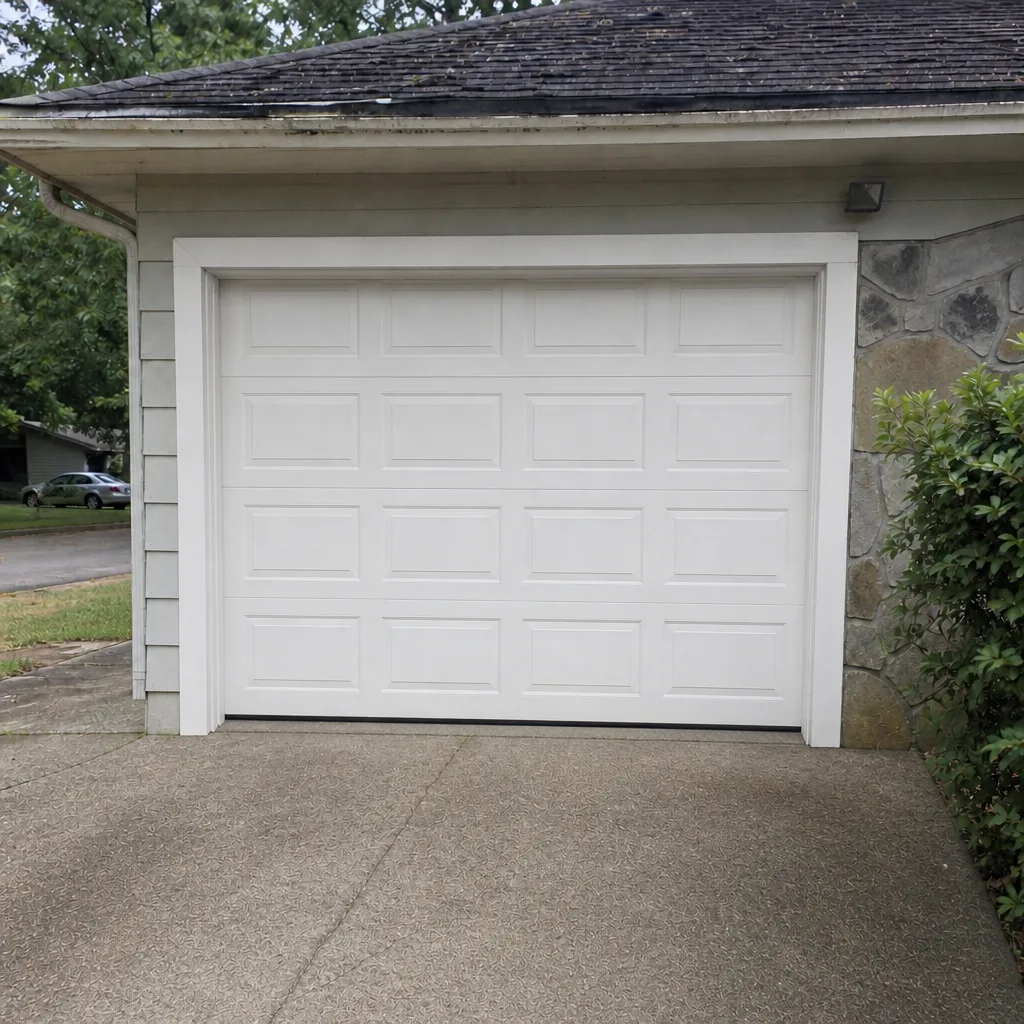
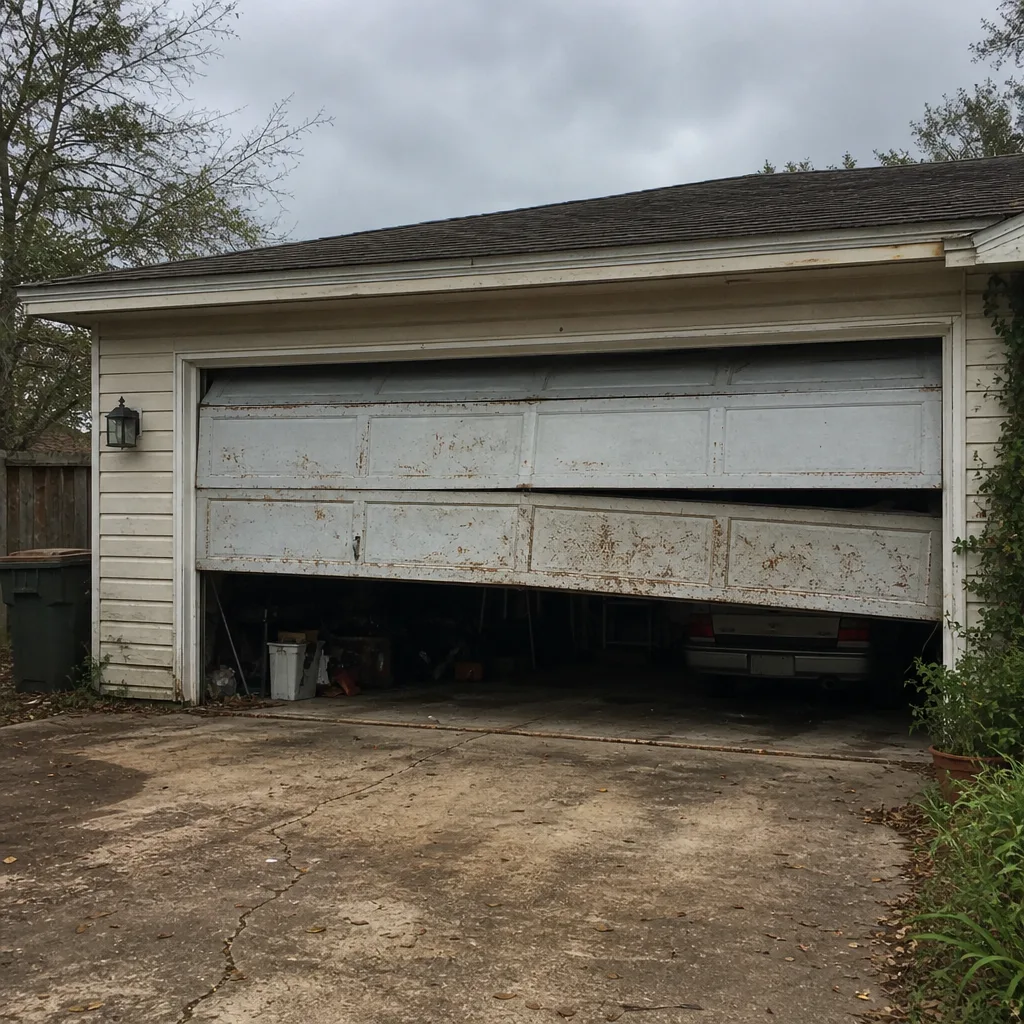
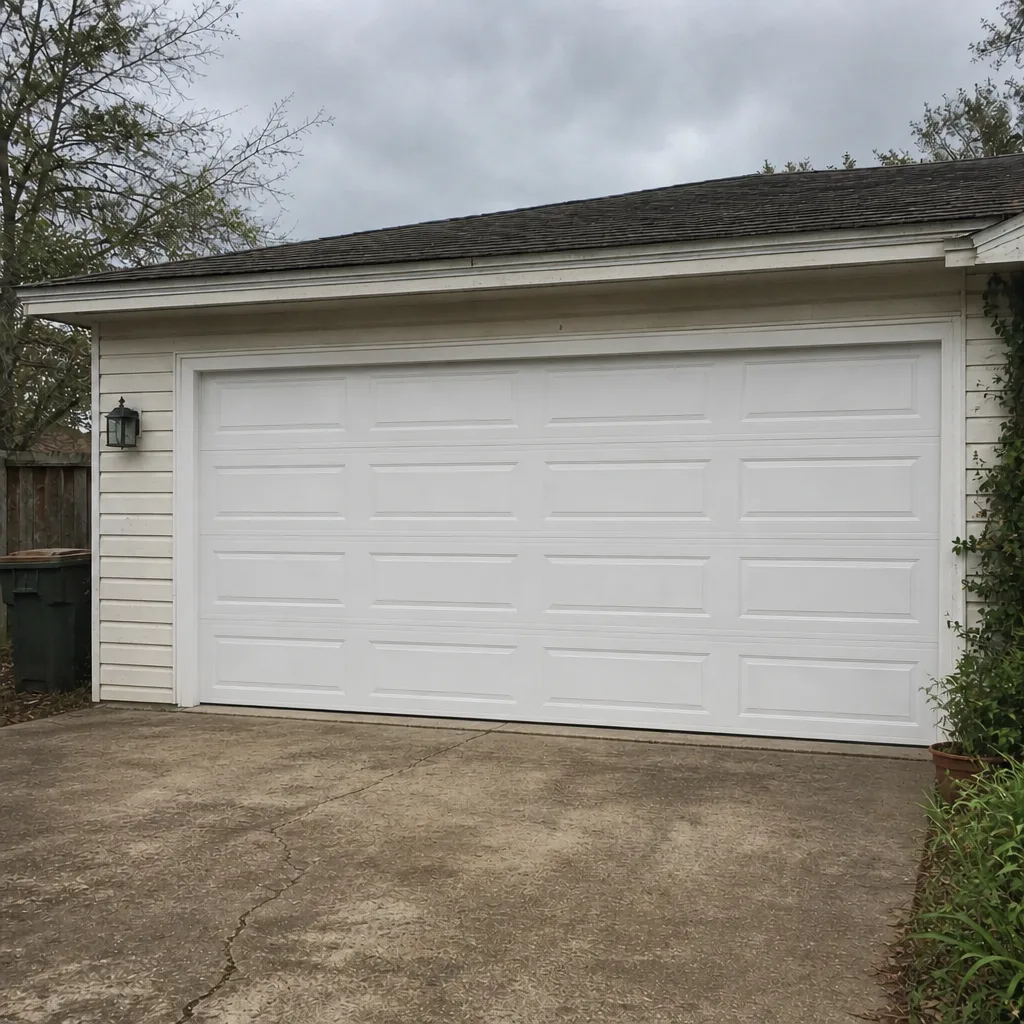
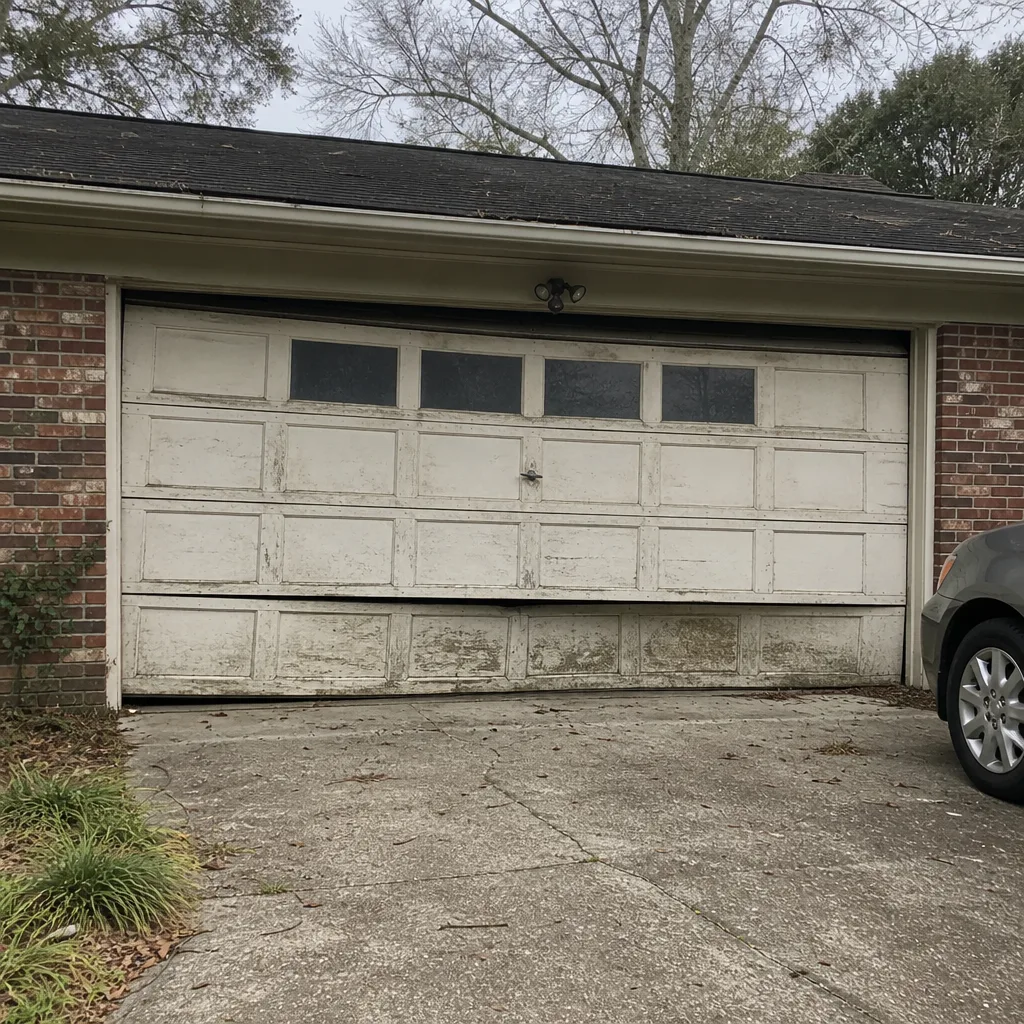
See the difference
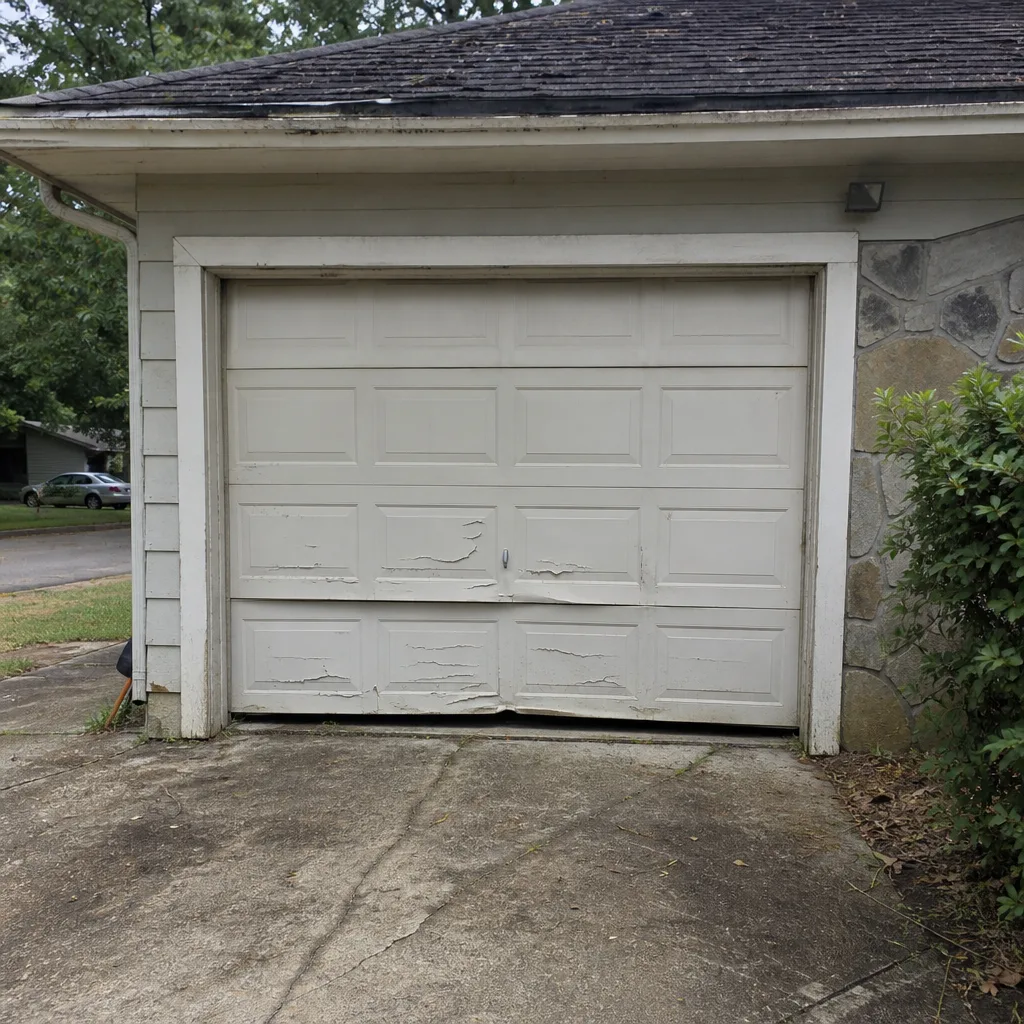 Before
 After
 Before
 After
 Before
 After