
Last updated November 15, 2026
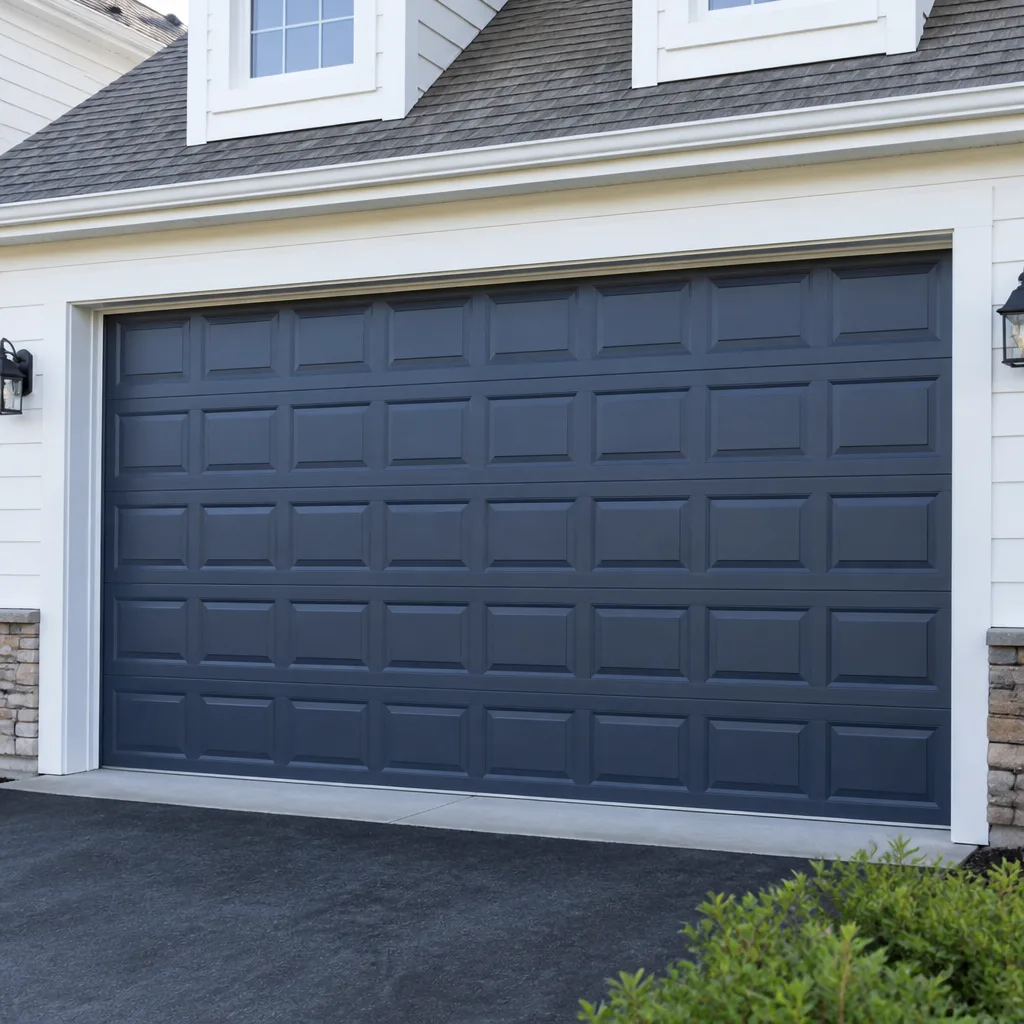 Raised-panel steel
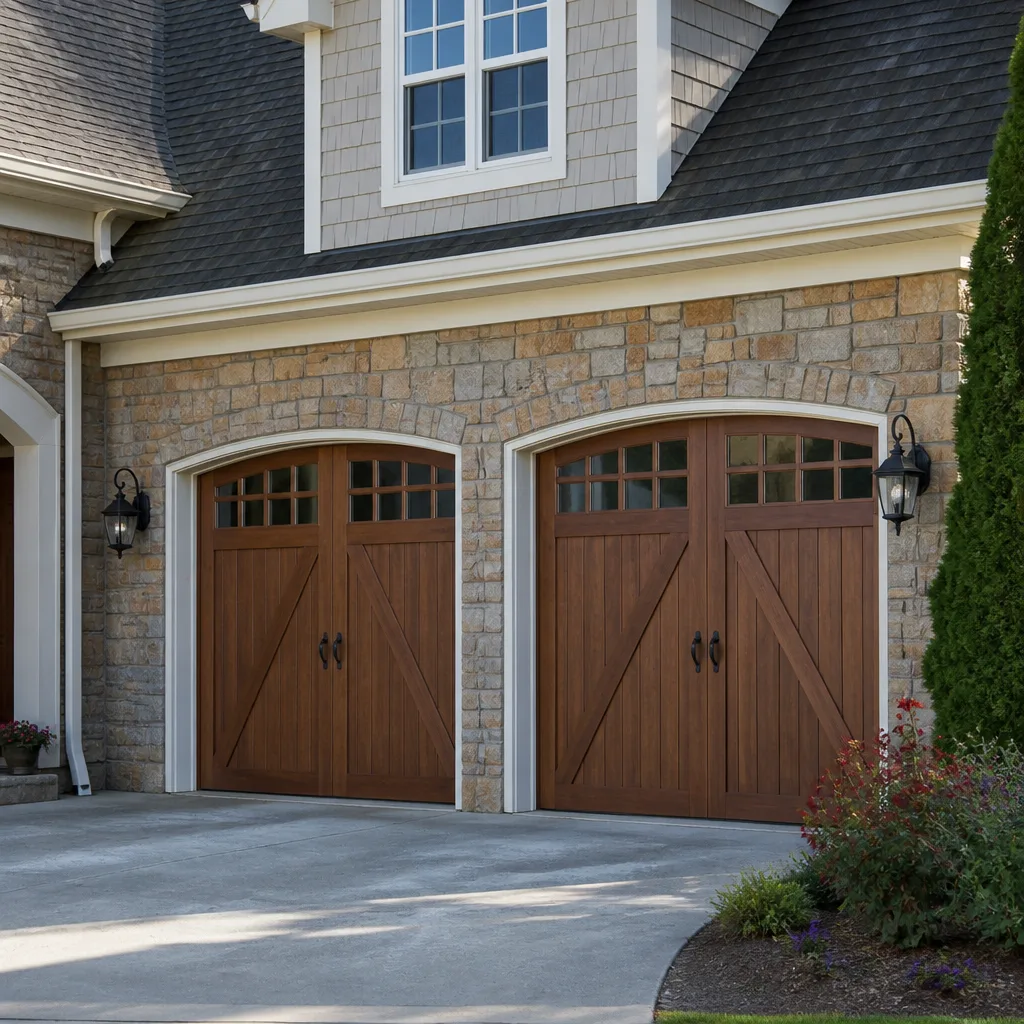 Carriage house
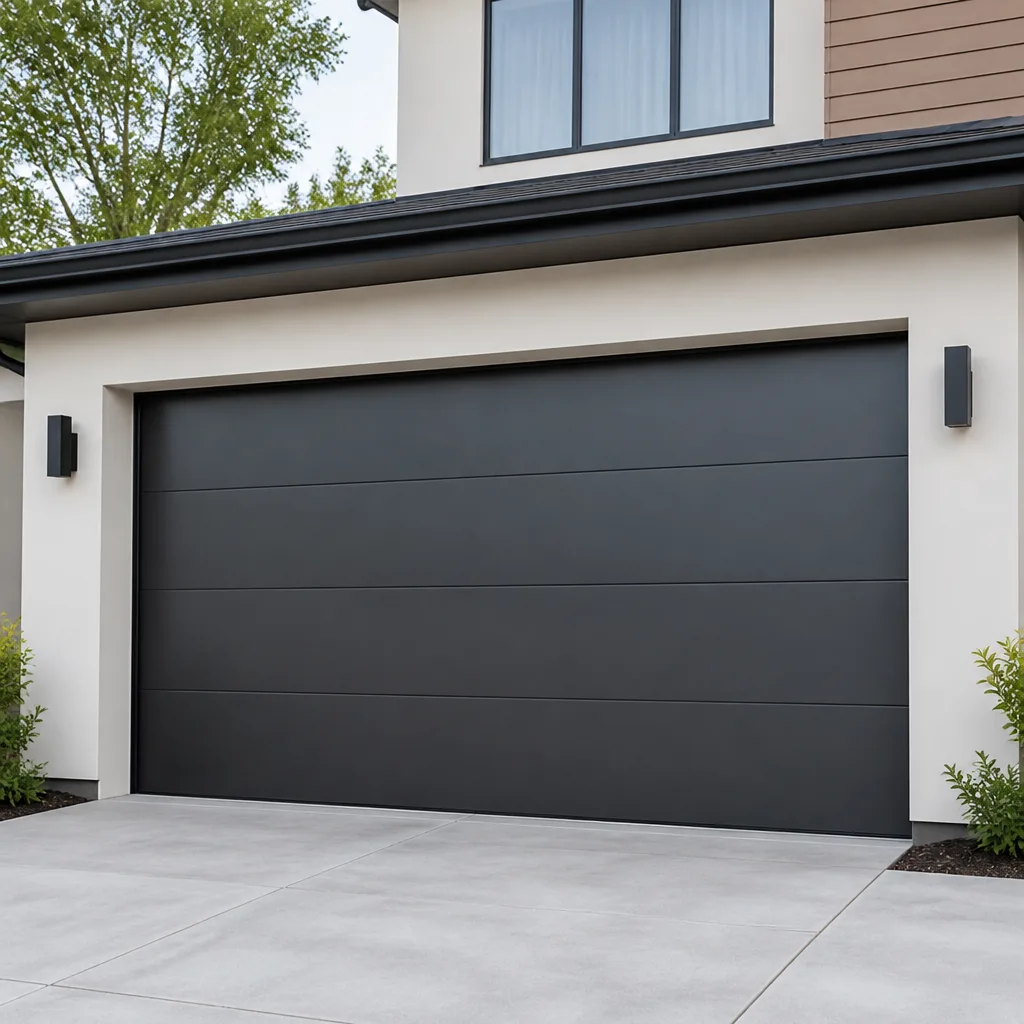 Modern flush
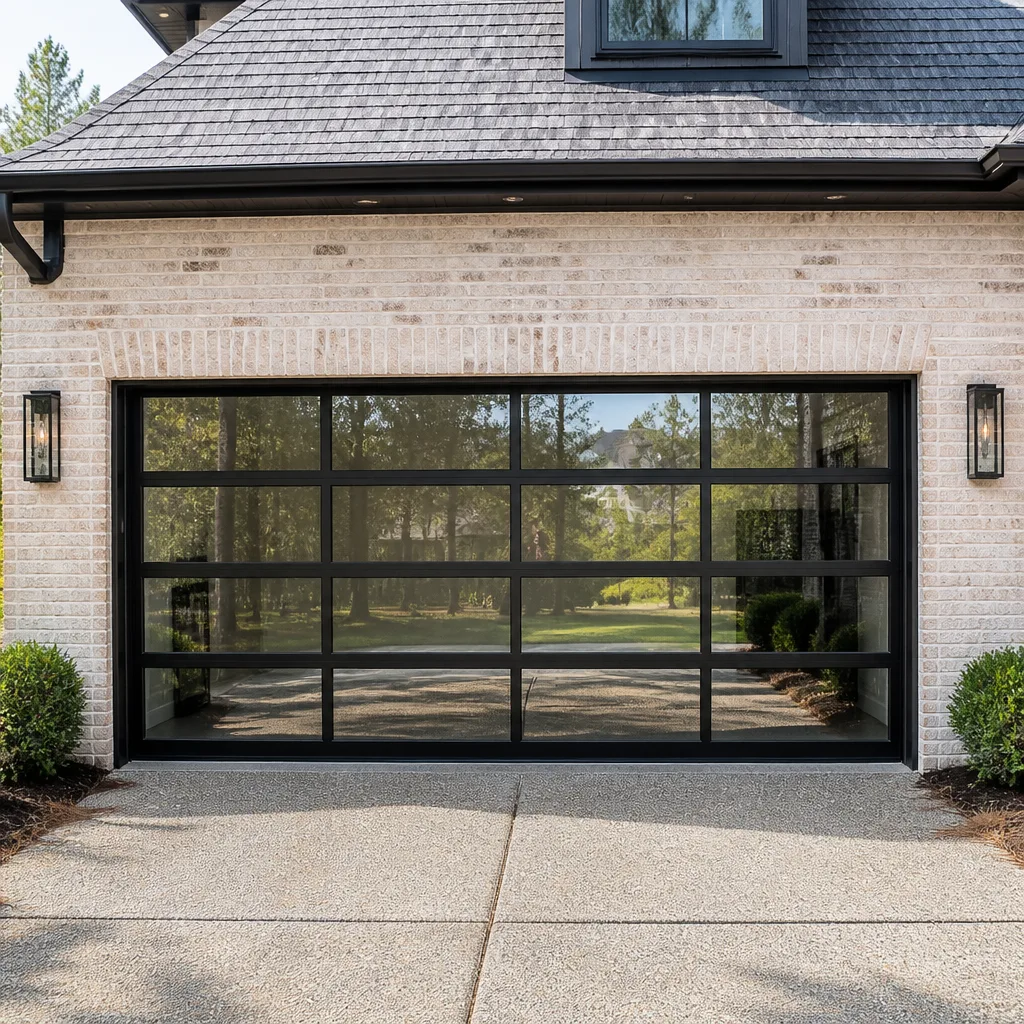 Full-view glass
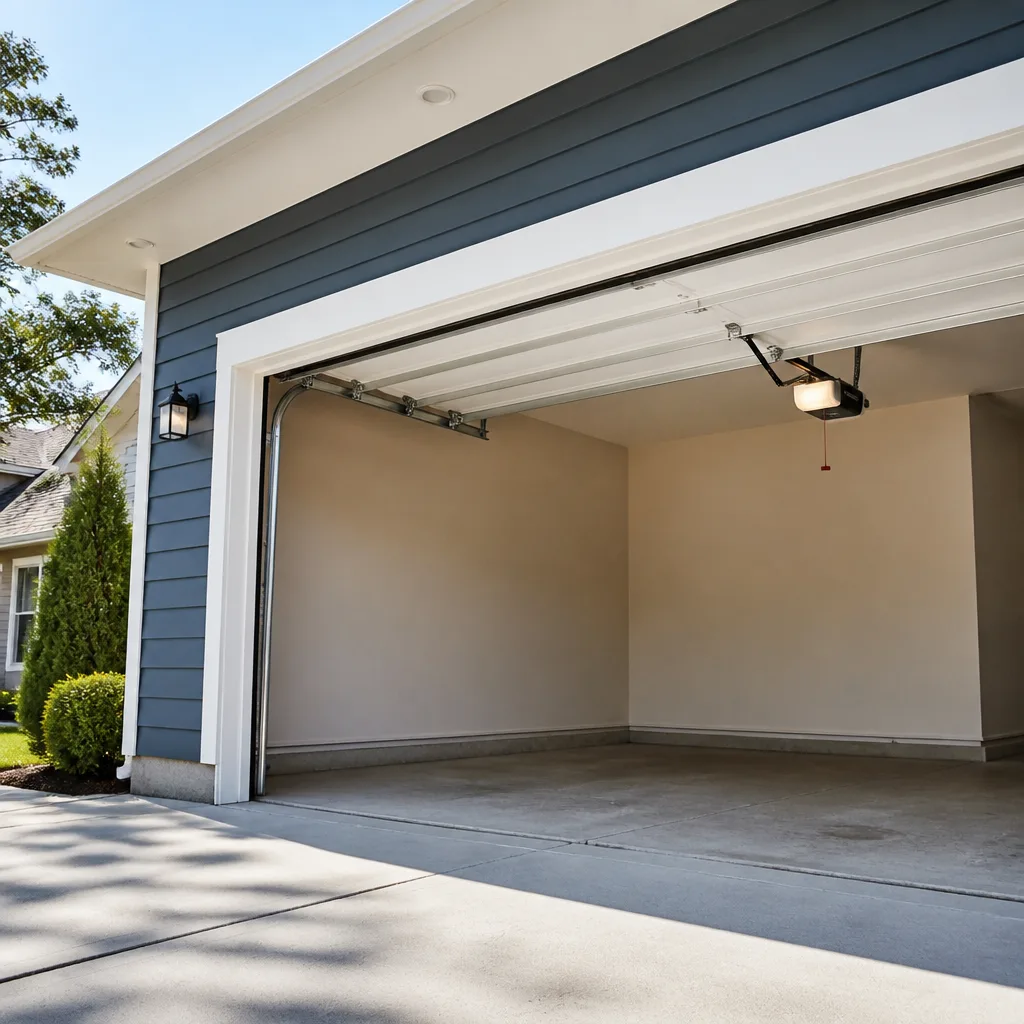 LiftMaster openers
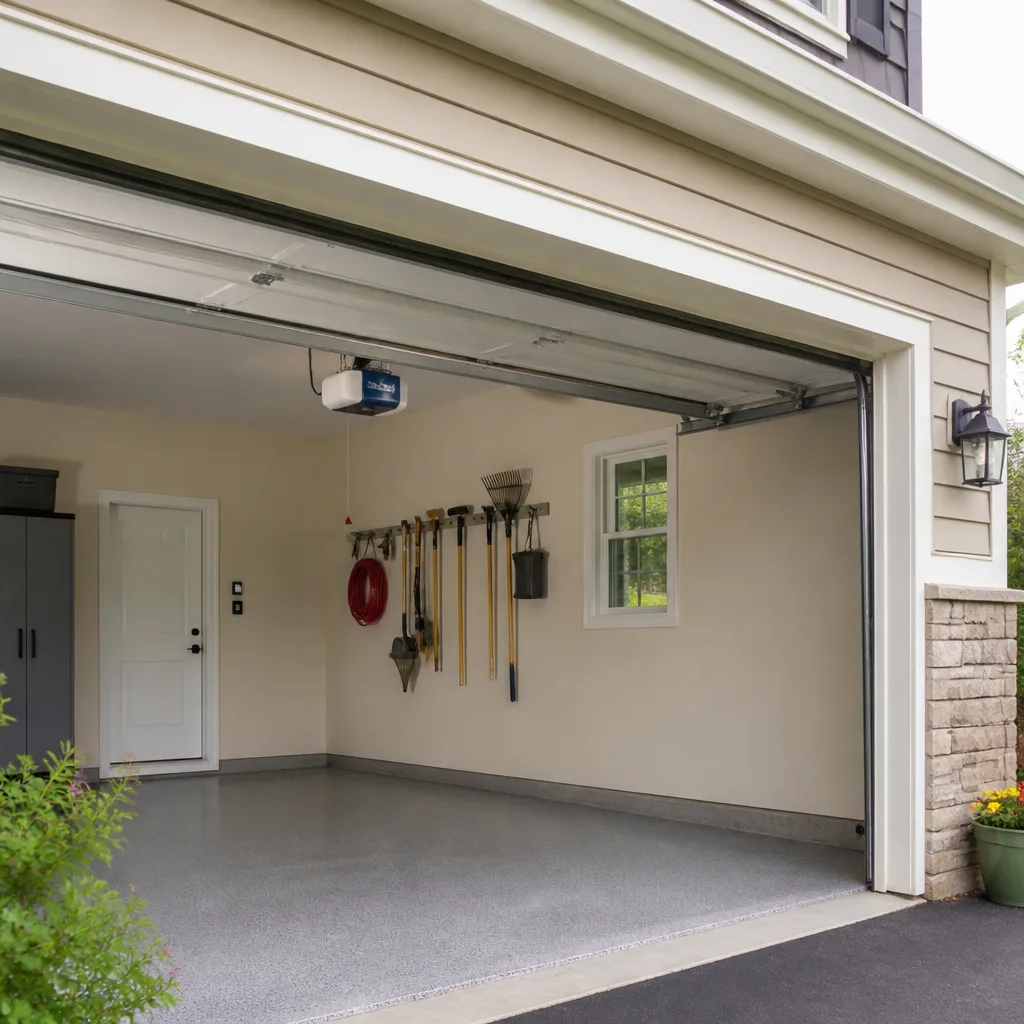 Chamberlain openers
Full 25-point door and opener safety check with every visit - springs, cables, rollers, tracks, and your LiftMaster or Chamberlain opener included
You get a price before we start. It does not change when the pro arrives.
Get your free estimateGarage Door Repair Troubleshooting in Tallahassee: Common Problems and How to Fix Them
Two garage door problems that look nothing alike often have the same root cause, and just as often they don’t. A door that reverses halfway down and a door that won’t budge at all can both trace back to a safety sensor knocked out of line, or one can be a sensor and the other a snapped spring. Guessing wrong is what turns a quick fix into a repeat service call, or into someone getting hurt trying to force a heavy door. This guide teaches you to sort a Tallahassee garage door problem into the right category before you touch anything, so you know which checks are safe to do yourself and which ones belong in the hands of a technician.
Quick Answer
Most garage door problems in Tallahassee fall into five categories: electrical, mechanical hardware, spring and cable, track and roller, and opener logic. Start by confirming the opener has power and the safety sensors are aligned, then watch and listen to the door through one full cycle to see which category the symptom belongs to. Sensor alignment, limit switch adjustment, and the manual release test are safe for homeowners. Spring, cable, and track work should go to a trained technician because of stored tension and pinch points.
Styles & brands we work with
- Raised-panel steel
- Carriage house
- Modern flush
- Full-view glass
- LiftMaster openers
- Chamberlain openers
Table of Contents
- A Category-Based Triage Framework for Tallahassee Doors
- How Tallahassee Humidity Changes the Diagnosis
- Safe Checks You Can Do Yourself
- Checks That Carry Injury Risk and Must Be Handed Off
- Why the Same Symptom Means Different Things by Brand
- One-Time Fluke or Sign of Imminent Failure? A Decision Matrix
- Hardware and Panel Problems Worth Catching Early
- Common Mistakes to Avoid
- When to Call a Professional
- Frequently Asked Questions
A Category-Based Triage Framework for Tallahassee Doors
Random fixes waste time and money. Before you replace a battery, bend a track, or call for service, run the door through a single full open-and-close cycle in Tallahassee and note three things: what moves, what doesn’t, and what you hear. That observation points you to one of five categories, and each category has its own likely causes and its own safe first step.
- Electrical. Nothing moves, no motor hum, and the wall control is dead. Check that the opener has power at the outlet and that the breaker hasn’t tripped. If power is fine, the problem is in the opener head or the wiring to it.
- Mechanical hardware. The opener hums or runs but the door doesn’t rise, or rises weakly. Look at hinges, rollers, and the door’s balance by hand once the opener is released. Binding hardware is common in older Tallahassee homes where doors sit in humid garages year-round.
- Spring and cable. The door feels extremely heavy by hand, or you see a visible gap in a torsion spring or slack cable. Stop here and call a technician. This category is never a homeowner job.
- Track and roller. The door jerks, grinds, or drifts sideways as it travels. Look for dents in the track, a roller popped out of its channel, or debris jammed in the rail.
- Opener logic. The motor cycles but the door reverses, stops at a random point, or won’t respond to the remote while the wall control works. This points at sensors, limits, or the control board, not the door itself.
Sorting by category first means you stop guessing. If you land in electrical or spring and cable and want it confirmed by someone who works on these systems every day, garage door repair in Tallahassee is the call to make.
How Tallahassee Humidity Changes the Diagnosis
Tallahassee’s warm, humid climate is one of the biggest reasons garage doors here wear differently than doors in drier parts of the country. Most of the time that shows up as corrosion on track and hardware, not as a dramatic failure, so the diagnosis needs to factor it in before you conclude the opener is failing.
The two most common climate-driven issues we see in Tallahassee are:
- Track corrosion. Steel tracks, hinges, and rollers pick up surface rust in a humid garage. That rust roughens the surface the rollers travel on, which adds friction. A door that stutters or moves slowly is often fighting a rusted track rather than a failing motor.
- Spring fatigue. Springs are under constant load, and in a humid climate the metal and the surrounding hardware are exposed to moisture year-round. When a torsion spring is close to the end of its life, the door starts feeling heavier by hand before it outright fails. That lag is your warning window.
Practically, this means a Tallahassee homeowner hearing a grinding sound should look at the track and rollers first, and a homeowner whose door feels heavy by hand should suspect the springs before the opener. The same symptom on a door in a dry climate often points straight at the motor, which is why brand-agnostic, hands-on diagnosis matters here. If your door sounds rough or stiff, the technicians at Harborview Garage Door Service work on all the major door and opener brands and can separate a humidity problem from a hardware failure.
Safe Checks You Can Do Yourself
Three checks are safe and worth doing before you call anyone. They cost nothing, rule out the most common causes, and in many cases resolve the problem outright.
- Safety sensor alignment. Look at the two small devices mounted near the floor on either side of the door. Each should have a steady indicator light. If one is dark or blinking, wipe the lens clean and gently nudge the bracket until the lights settle. A door that reverses before closing is usually a sensor that’s been knocked or a bracket that’s loosened, and this check catches it.
- Manual release test. With the door fully closed, pull the red release cord on the opener rail to disconnect the door from the motor. Lift the door by hand. A well-balanced door should rise easily and stay put partway up. If it feels very heavy or drops back fast, stop and don’t reconnect it. That’s a spring-category problem.
- Limit switch adjustment. If the door only closes halfway or reverses near the floor with clear, aligned sensors, the travel limits on the opener are out of adjustment. The setting is on the side or back of the opener head, and most units have a labeled adjustment for open and close travel. Make small changes.
These three checks are the ones worth your time in Tallahassee. Once the sensors are aligned, the door is balanced, and the limits are set, you’re either fixed or your problem sits squarely in a category that needs a trained technician.
Checks That Carry Injury Risk and Must Be Handed Off
Some garage door components store enough energy to cause serious injury even when the door looks stable. These are the checks to skip and hand to a professional. A real expert will always tell you the same: the money you save isn’t worth a hospital visit.
- Torsion springs. A torsion spring holds the full weight of the door in stored tension. Touching, adjusting, or trying to replace one without the correct winding tools can release that tension suddenly. There is no safe way to do this by hand.
- Extension springs and cables. Cables are under constant tension from the springs. A loosened cable can snap back with force. Never reach into the cable area or cut anything under tension.
- Track realignment. A bent track that’s been forced back into place can throw the door off its path, and a door can drop from partway open. Track work is a hands-off job unless you’ve been trained on it.
- Opener head replacement or control board work. These components connect to the electrical supply and hold moving parts. Wiring errors are a fire risk, and the door’s balance depends on getting the opener reconnected correctly.
If you’ve ruled out the safe checks and your symptom involves any of the above, stop. Our technicians have up to 9 years of experience and are trained to work on these components safely. Call garage door opener repair in Tallahassee when the issue is in the drive system or its wiring.
Why the Same Symptom Means Different Things by Brand
A door that stutters or pauses halfway up looks identical whether it’s a LiftMaster, Genie, or Chamberlain opener driving it. The cause usually isn’t identical. Brand matters because the internal logic, the limit-setting procedure, and the sensors differ from model to model, and the same symptom can point to hardware on one brand and control logic on another.
Take the mid-travel stutter. On a LiftMaster or Chamberlain opener, a stutter is most often a travel limit that’s drifted or a safety sensor that’s losing its beam momentarily, because those units read the sensor signal constantly. On a Genie opener, the same stutter can come from a worn drive gear or a screw-drive rail that’s picked up debris, because those models rely on a screw or chain mechanism that behaves differently when the rail is obstructed. A Craftsman or Wayne Dalton door itself can also cause a stutter if a hinge or roller has stiffened up, which is more common in a humid garage than many owners assume.
On the door side, the four largest residential manufacturers, Clopay, Amarr, Wayne Dalton, and Raynor, each build their panels and hardware a little differently. A Wayne Dalton door can develop a rattle from a specific hinge type that wouldn’t sound the same on an Amarr door. A Raynor door with a worn roller can bind in the track for a different reason than a Clopay door would.
This is where generalist guesswork costs you. We’re factory-familiar with eight major brands spanning doors and openers, including LiftMaster, Chamberlain, Genie, Craftsman, and the four door manufacturers above. That familiarity means we diagnose by knowing your system, not by swapping parts until the symptom changes. If your specific brand is stuttering, we’ll tell you which component is the likely culprit before we touch it.
One-Time Fluke or Sign of Imminent Failure? A Decision Matrix
Some garage door symptoms are a single bad cycle and worth ignoring. Others are the first sign that the door will fail completely and strand a car inside. The difference usually comes down to whether the symptom repeats and whether it worsens over time. Here’s how to tell:
- One-time fluke: The door reversed once and worked fine the next three cycles. A sensor caught a shadow or a cobweb. Watch it for a week. If it doesn’t repeat, you’re done.
- Leading indicator: The door reverses intermittently but more often over time. The sensors are drifting or the limits are moving. Book a service check before it fails.
- One-time fluke: The opener lagged on a cold morning once. Belts and chains stiffen in the cold and loosen as the day warms. A single lag in cooler weather is normal.
- Leading indicator: The door feels heavier by hand than last month, echoes, grinds, or stutters every other cycle. This is the spring-category warning. Springs usually give a lag before they fail. Get the door checked before it strands your car.
- One-time fluke: A remote stopped working after a battery change. Re-pair it and you’re fine.
- Leading indicator: The remote works one day and not the next, the wall control works fine, and the opener head is warm or makes a repeating click. That’s a control board or logic problem, and it doesn’t heal itself. Call for repair.
- One-time fluke: The door grumbles the first time you use it after a long stretch of no use. Dust and stiffness work themselves out after a couple of cycles.
- Leading indicator: A grinding or scraping noise, or a visible gap in the torsion spring, or a cable that’s gone slack. These are not flukes. Stop using the door and call a technician.
Treat the “leading indicator” column as your schedule: if it’s spring or cable, don’t wait. If it’s logic or sensors, book a check within the week. If your Tallahassee door is showing several of these signs, it’s worth a free estimate to get a straight answer. Call (855) 970-6238. We answer 24/7. Fast dispatch from 7am to 7pm, Sunday through Friday.
Hardware and Panel Problems Worth Catching Early
Not every problem stops the door from working. Many Tallahassee garage door issues are what we’d call slow wear: hinges that have stiffened, rollers that have rusted, a panel that’s been dinged by an errant bike or a bump in the driveway. Catching them early keeps a small fix from becoming a bigger one.
Walk around the door with the opener disconnected and look at the following:
- Hinges. Rusted hinges resist movement and force the opener to work harder. A little friction here translates to a door that runs rough.
- Rollers. Steel rollers rust and nylon rollers wear flat. Rollers should sit inside their track channels without tilting or catching.
- Panels. A dented lower panel can pinch a roller or misalign the door in the track. Minor dents are cosmetic. A dent that affects the track is worth fixing.
- Weather seal. The bottom seal takes a beating in a humid climate. A torn seal lets moisture and pests into the garage and can catch on the floor as the door closes.
- Opener rail and belt or chain. Look for slack in the belt or chain and anything caught in the rail. Both are easy to spot and easy to fix once identified.
The door panel and the drive system are separate systems, and treating them separately is what lets you repair precisely instead of defaulting to a full replacement. If your hardware inspection turns up problems and you’re not sure what’s worth fixing, Tallahassee homeowners can call and we’ll walk you through it.
Common Mistakes to Avoid
- Forcing a door that won’t move. If the door feels jammed, don’t use the opener to push through it. You’ll stress the motor, strip a gear, or bend hardware. Stop, disconnect the door, and diagnose from the ground.
- Replacing the opener when the problem is the door. A strained opener that grinds or repeats is often fine. The door is what’s stiff or unbalanced. Diagnose the door before you shop for an opener.
- Adjusting the travel limits without checking the sensors. Homeowners in Tallahassee often adjust the limits to fix a door that reverses, when the real cause is a dirty or misaligned sensor. Clean and align the sensors first, then look at limits.
- Ignoring a stutter or grind. A grinding door in a humid climate is often a rusting track or a worn roller. Small friction problems grow into bigger ones. Address the noise before it turns into a stuck door.
- Trying to tighten a torsion spring or cable by hand. This is the single most dangerous garage door mistake. Call a technician instead of risking a release of stored energy.
- Assuming a single brand fits every opener. A Craftsman remote won’t command a Genie opener without pairing, and a LiftMaster wall control won’t work on every head. Match the accessory to the unit before assuming a part is broken.
- Waiting until the door strands a car. Springs and control boards don’t fail on your schedule. Address a leading indicator while the door still works, and you’ll avoid a car trapped in the garage.
See the difference
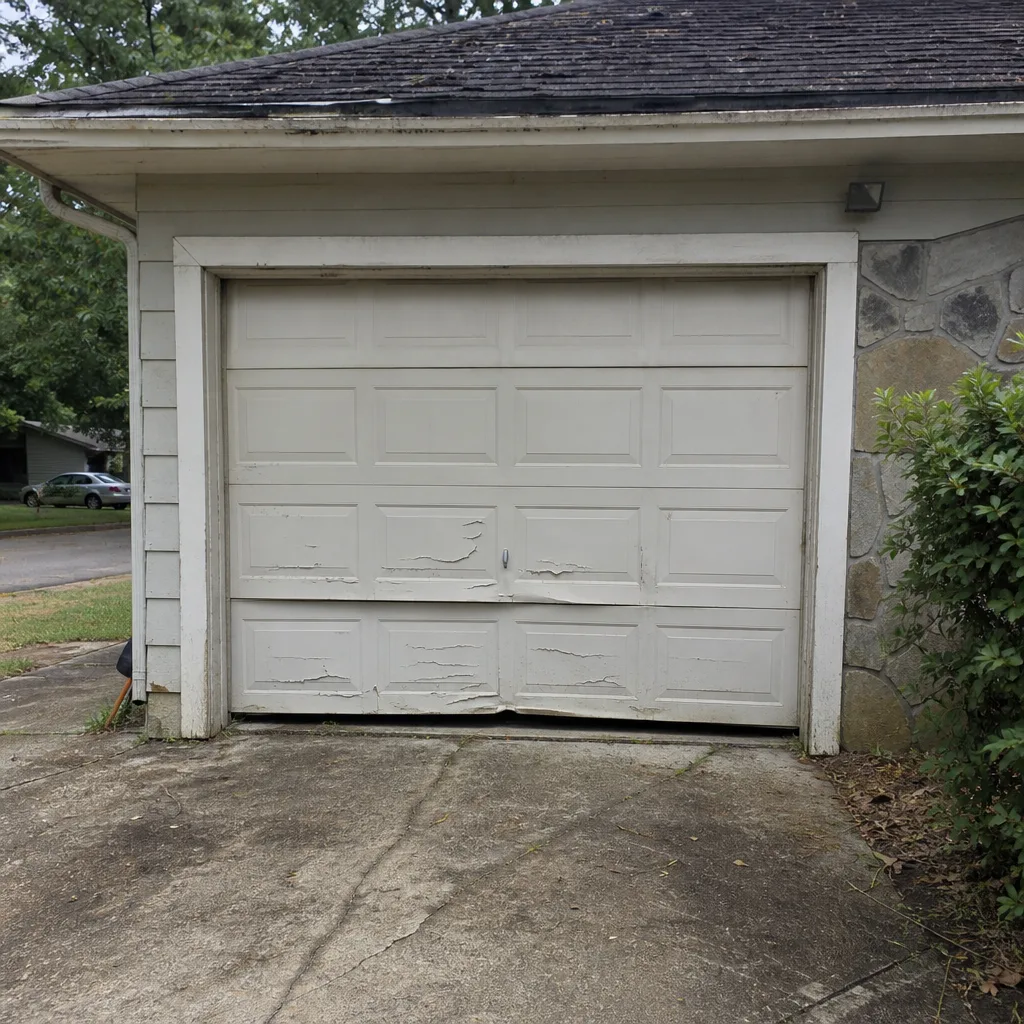 Before
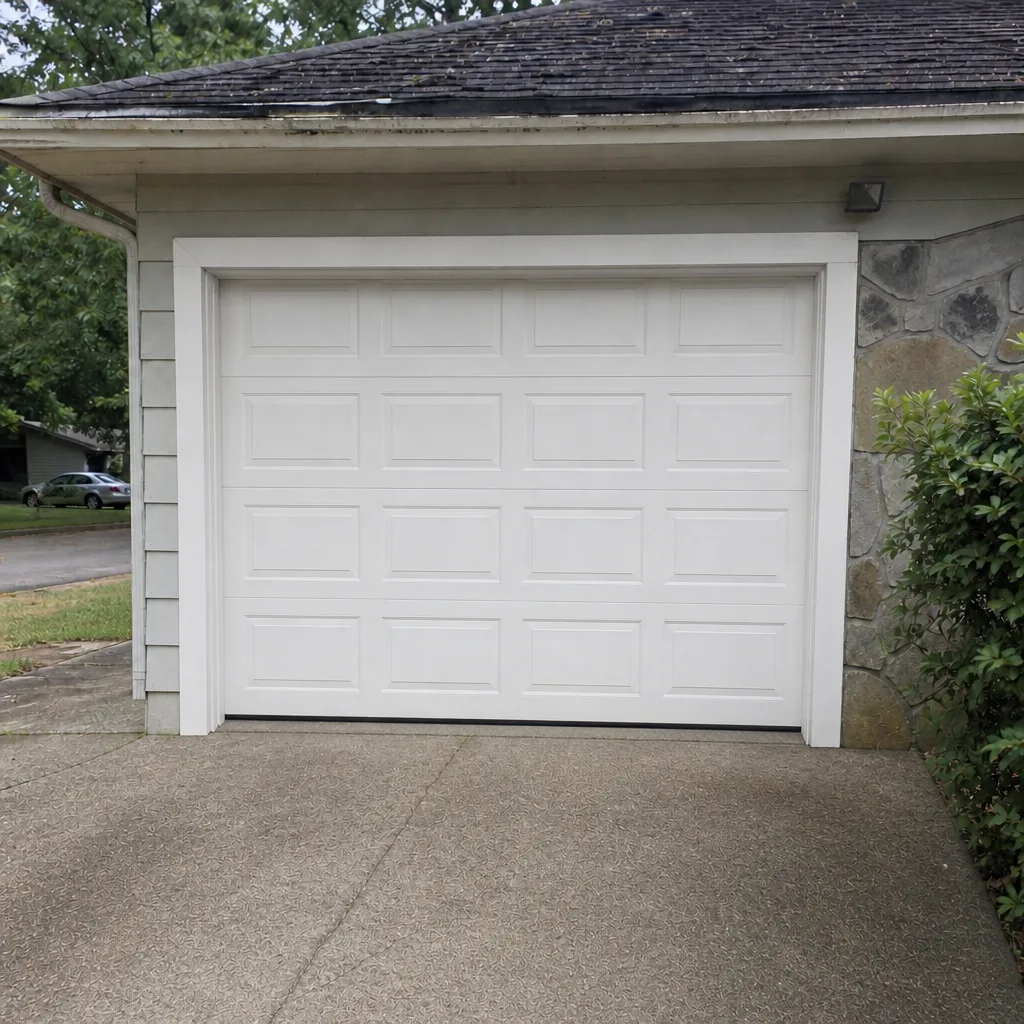 After
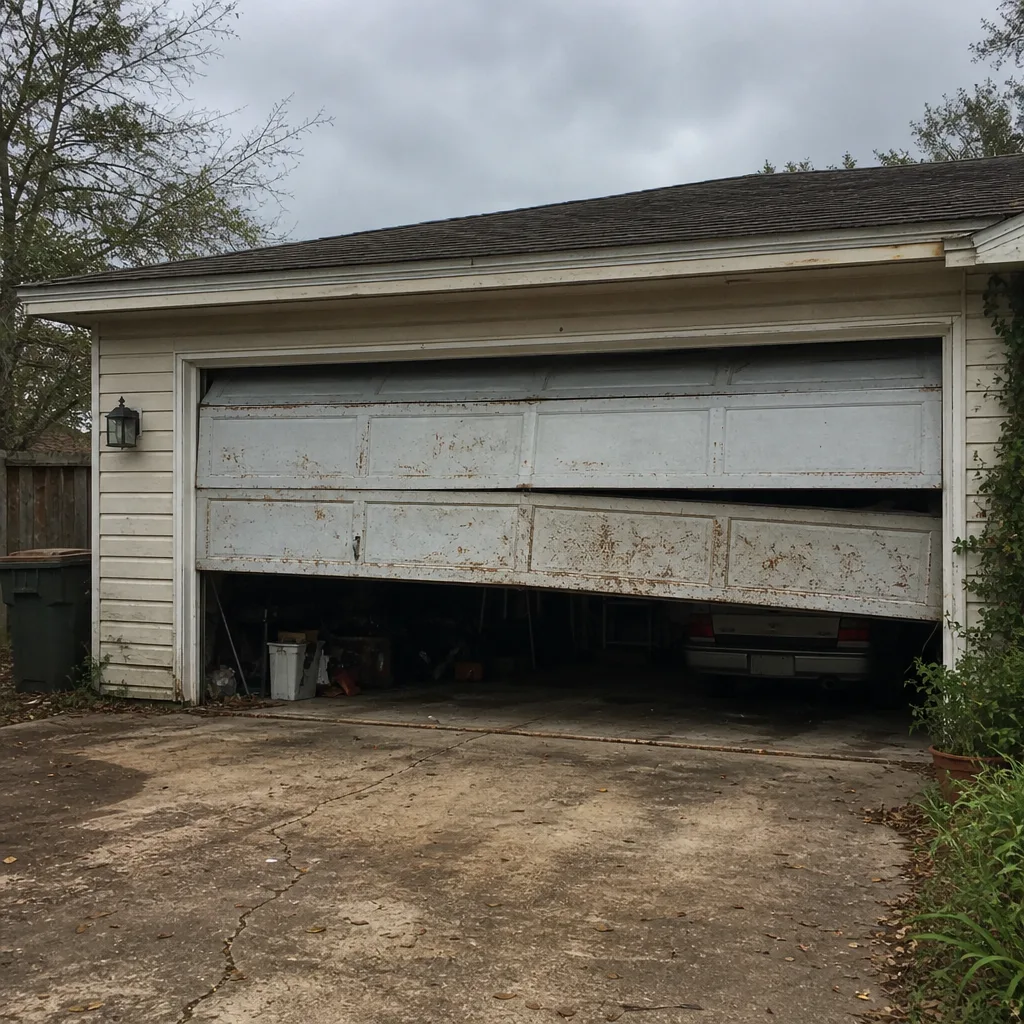 Before
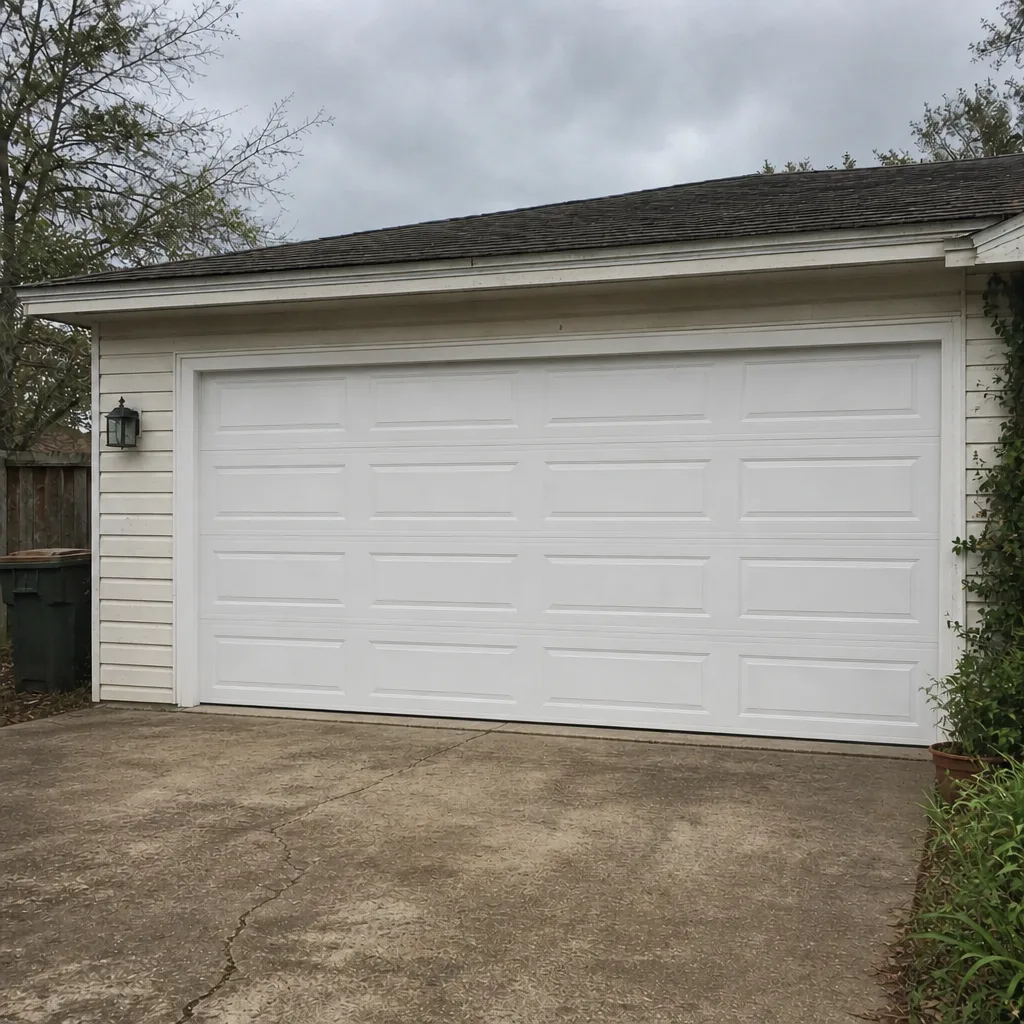 After
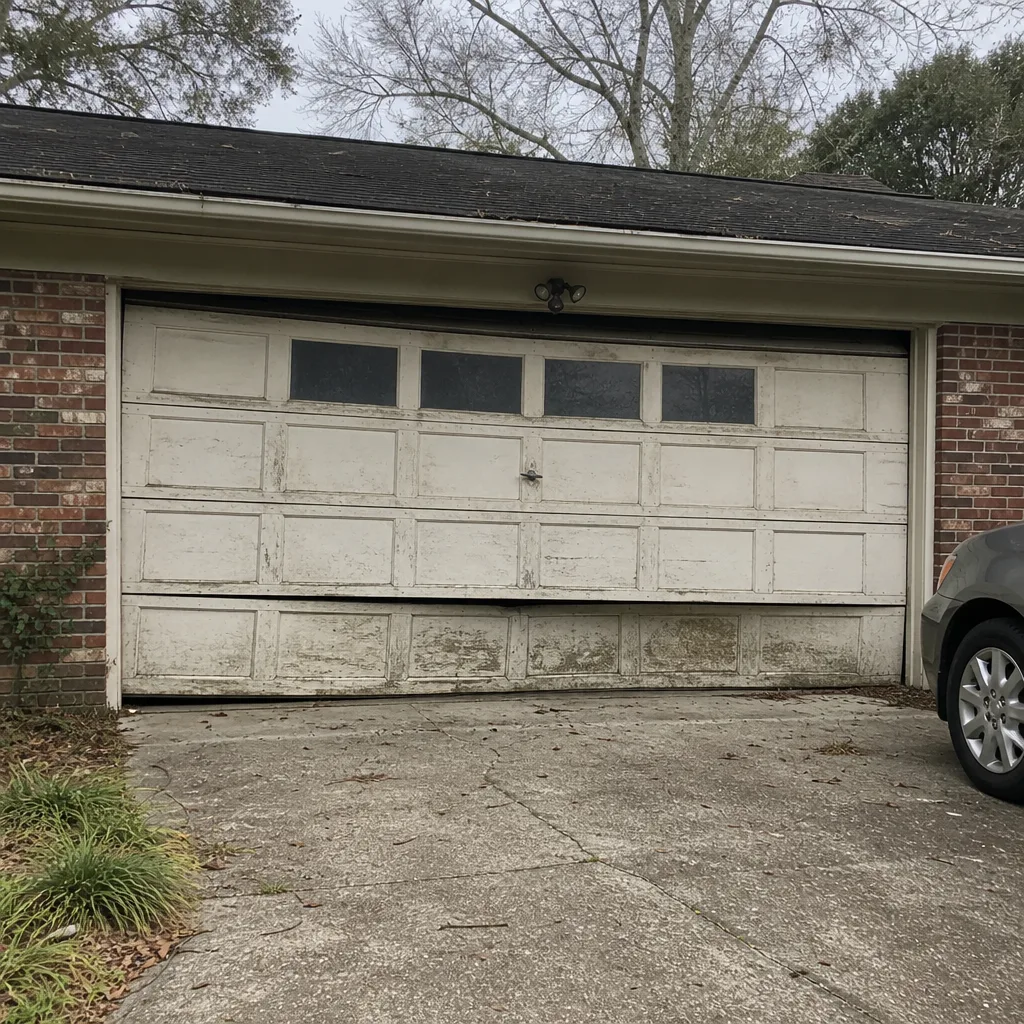 Before
 After
When to Call a Professional
Call a technician when the symptom lands in the spring or cable category, when you’ve found a broken spring, a slack cable, or a visibly bent track, or when the opener’s control board is making a repeating click and the door won’t respond to commands. Call when the door feels heavier by hand than it used to, or when a stutter or grind is getting worse every week. And call when you’re simply not sure which category you’re in. Harborview Garage Door Service offers free estimates in Tallahassee – call (855) 970-6238. We answer 24/7, and we dispatch Sunday through Friday from 7am to 7pm. We’re closed Saturday. For anything you can’t safely diagnose yourself, the cost of a written estimate beats the cost of a hospital visit or a full replacement.
Frequently Asked Questions
Disconnect the door from the opener using the manual release and try to lift the door by hand. If it rises easily and stays put partway up, the door and hardware are likely fine and the opener is the suspect. If it feels very heavy or drops, the door itself is the problem. Call (855) 970-6238 for an exact quote – estimates are free.
A reversing door almost always has a safety sensor that’s misaligned, dirty, or blocked. Wipe the sensor lenses, check that both indicator lights are steady, and adjust the bracket if one is dark. If the door still reverses with clear sensors, the travel limits or the opener logic need a technician. Call (855) 970-6238 for a same-day visit – estimates are free.
No. Torsion springs hold the full weight of the door in stored tension and can release it suddenly, so spring replacement belongs to a trained technician. Call (855) 970-6238 for a safe repair and a written quote – estimates are free.
Tallahassee’s humid air speeds up surface rust on steel tracks, hinges, and rollers and adds friction to a door’s travel. It also contributes to spring fatigue over time. A door that’s drying out or seizing up is often a climate problem, not a motor problem. Call (855) 970-6238 for an exact quote – estimates are free.
The same stutter on a LiftMaster is often a travel limit drift or a sensor losing beam, while on a Genie it’s more often a worn drive gear or a screw-drive rail with debris. Brand logic differs, so the diagnosis differs. We diagnose by brand and model, so call (855) 970-6238 – estimates are free.
No. We quote the job, you agree to the written estimate, and that’s the price – nothing gets added after the work starts. A free estimate sets the final number. Call (855) 970-6238. We answer 24/7. Fast dispatch from 7am to 7pm, Sunday through Friday.
The Bottom Line
Most Tallahassee garage door problems are diagnosable before you touch anything. The trick is sorting the symptom into the right category first. Check the power, align the sensors, test the balance by hand, and listen to the door through one full cycle. That tells you whether you’re looking at a $12 fix or a spring that needs a technician. Safe checks are the sensors, the manual release test, and the limit switch. The spring, cable, track, and control board are hands-off. When you’re not sure, a free estimate is cheaper than a wrong guess. Harborview Garage Door Service services eight major brands, from the spring to the smart opener, and can work with your insurer. Call (855) 970-6238 for a free estimate, and we’ll help you sort it out.
Written by the team at Harborview Garage Door Service.